






Why Mountain Weather is Different
A standard weather forecast showing 'light rain' for a city might mean carrying an umbrella. In the mountains, the same forecast can be far more serious. The unique geography of hill stations creates microclimates where conditions can change in minutes.
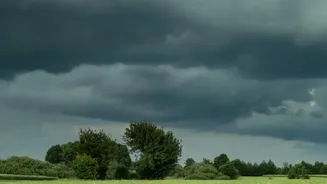
A sunny morning can quickly turn into a torrential downpour, triggering landslides and flash floods that block roads and leave travellers stranded. This is why understanding the specific warnings issued for hilly regions is not just helpful—it's critical for your safety.
Decoding IMD's Colour-Coded Alerts
The India Meteorological Department (IMD) uses a four-colour system to issue weather warnings, helping the public quickly understand the level of risk.
Green (All is Well): This means no adverse weather is expected. You can proceed with your travel plans without any weather-related concerns.
Yellow (Be Aware): A yellow alert is your first cue to pay attention. It indicates that weather conditions could worsen over the next few days and might disrupt daily activities. For a tourist, this means staying updated on forecasts and being prepared for possible travel delays.
Orange (Be Prepared): This is a serious warning for extremely bad weather that has the potential to disrupt transport, power, and communication lines. An orange alert in a hilly area signifies a high risk of landslides and road closures. You should seriously reconsider your travel plans or, if already there, avoid venturing out.
Red (Take Action): This is the highest level of warning and indicates a significant threat to life and property from severe weather. A red alert means you should cancel or postpone your trip. If you are already at the destination, stay indoors and follow all instructions from local authorities.
Beyond Colours: Understanding Specific Warnings
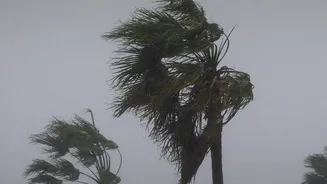
The colour codes are often accompanied by specific terms. Look out for phrases like 'heavy to very heavy rainfall', 'thunderstorms with lightning', and 'gusty winds'. In a hill station context, 'heavy rainfall' (between 64.5mm and 115.5mm) is enough to loosen soil and increase landslide risk. 'Very heavy' or 'extremely heavy' rain dramatically increases this danger. Alerts for thunderstorms or gusty winds are also crucial, as they can cause trees to fall and block roads, which is a common hazard in forested mountain areas. Always check for district-specific warnings rather than just state-level forecasts for a more accurate picture.
Your Essential Weather Toolkit
To stay informed, use reliable sources. The official IMD website (mausam.imd.gov.in) is the primary source for all weather warnings in India. For on-the-go updates, the 'MAUSAM' app, developed by the IMD, provides forecasts, radar images, and proactive alerts for severe weather events. Other reliable apps include Skymet Weather, which also has a strong network across India and provides detailed forecasts. It's wise to check these resources in the week leading up to your trip and daily while you are there. Additionally, before you leave, check for advisories from local police and disaster management authorities, as they will have the most current information on road conditions.
A Pre-Travel Safety Checklist
Before you finalise your booking or start your journey, follow these steps:
1. Check Long-Range Forecasts: Get a general idea of the expected weather patterns for your destination.
2. Monitor Alerts Closely: In the days before your trip, pay close attention to the IMD's colour-coded alerts for the specific district you are visiting.
3. Assess Local Risks: An orange alert for rain in a place known for landslides is much more dangerous than the same alert in a flatter region. Research your destination's vulnerability to such events.
4. Have a Backup Plan: Monsoon weather is fickle. Always have a flexible itinerary and consider keeping a buffer day in your travel plan to account for unexpected delays from roadblocks.
5. Contact Your Hotel: Call your accommodation directly before you leave to confirm that the property is accessible and fully operational.