
From Annoyance to Action
In the world of design, 'friction' refers to anything that makes a task more difficult. When you can't find the remote or have to untangle headphones, you're experiencing friction. Instead of just sighing and moving on, what if you saw these moments as a diagnostic
tool? A cluttered environment has been shown to increase levels of the stress hormone cortisol, making it harder to focus and relax. By identifying these specific pain points, you can make targeted changes that smooth out your daily routines and reduce mental load. The goal isn't a perfect home, but a home that functions seamlessly for the people who live in it. The first step is simply to notice where the friction occurs.
The Entryway Landing Strip
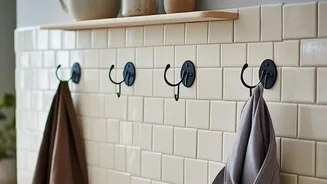
The first point of friction for many happens the moment they walk in the door. If your entryway table becomes a magnet for mail, bags, and miscellaneous clutter, it's a sign you need a better system. Professional organizers suggest creating a 'landing strip'—a designated spot by your most-used door to catch daily essentials. This doesn't require a grand foyer. It can be as simple as a small console table with a bowl for keys, a few hooks for bags and coats, and a basket for mail. The key is to make putting things away as easy as putting them down. By giving every item a home—keys on the hook, mail in the tray—you prevent clutter from ever starting.
The Charging Cable Chaos
In our modern homes, another universal friction point is the chaos of charging cables. They snake across kitchen counters, tangle on bedside tables, and disappear when you need them most. This visual clutter adds to our cognitive load. The solution is to centralize. Create a dedicated charging station in one part of your home. This could be a drawer with a power strip inside, a small cabinet, or a decorative box with holes for the cords. Using velcro cable ties or small, clear zippered pouches for travel chargers can also help contain the mess. By designating one spot for all charging, you always know where to find a cable and keep your surfaces clear.
The Kitchen Counter Takeover
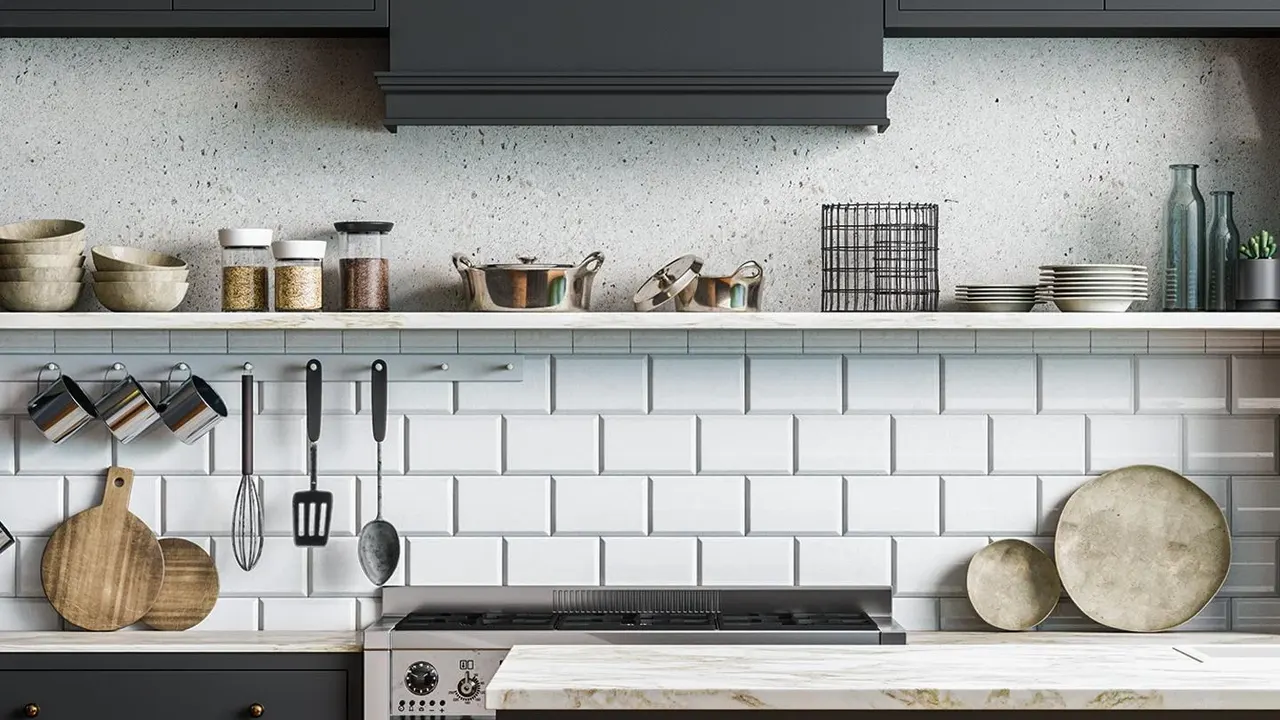
Kitchen counters are prime real estate, meant for preparing food. Yet, they often become a default storage area for everything from incoming mail and school papers to appliances you rarely use. This is a classic example of friction, forcing you to constantly move things just to make a meal. To reclaim your counters, be ruthless about what deserves to live there. Assign a home for papers in your landing strip or a designated file. Store small appliances that aren't used daily in a cabinet or pantry. The goal is to make the things you use every day easily accessible and move everything else out of the way. A clear counter not only makes cooking easier but also makes the entire kitchen feel calmer and more spacious.
The Bedside Table Buildup
Your bedroom should be a sanctuary for rest, but a cluttered bedside table can create visual noise that makes it hard to unwind. Piles of books, half-empty glasses of water, charging cables, and lotions can quickly accumulate. The friction here is the lack of a proper system. To solve this, think vertically and use containers. A small set of drawers or a tiered tray can provide homes for all your bedside necessities. A simple drawer organizer can separate items like lip balm, pens, and reading glasses. Leave only your current book, a lamp, and perhaps a small plant on the surface. This simple edit makes for a more peaceful start and end to your day.