







The Real Cost: Train vs. Plane
The most compelling reason to choose a train is the potential for significant savings. For many routes, especially those under 800 kilometres, train tickets are substantially cheaper than flights. A third AC (3AC) ticket, for example, can cost between
₹800 and ₹1,200, while a flight for the same route might range from ₹2,500 to ₹4,500. Even premium train fares in AC classes on services like the Rajdhani or Shatabdi Express are often lower than airfares. However, the equation isn't always simple. For very long distances, flights can sometimes be competitive, especially if booked far in advance. Conversely, last-minute flight prices soar, while train fares are more stable. When comparing costs, remember to factor in the extra expenses associated with air travel, such as expensive taxi rides to airports located outside city centres and high fees for excess baggage.
How to Secure the Best Fares
Getting the best price on Indian Railways requires some planning. The golden rule is to book early. Bookings typically open 120 days in advance, and securing your ticket then is the surest way to get a confirmed seat at the lowest price. If your plans are last-minute, the Tatkal quota offers tickets a day before departure, though at a higher price. Be ready to book exactly when the window opens (10 AM for AC classes, 11 AM for non-AC) as these tickets sell out in seconds. Being flexible with your travel dates and considering less popular trains or nearby stations can also reveal better availability and prices. For frequent travellers, using payment methods like UPI or the IRCTC e-wallet can speed up checkout, which is crucial during high-demand booking periods.
More Than Just a Cheaper Ticket
The savings from train travel extend beyond the ticket price. Overnight journeys, for instance, save you the cost of a hotel room for one night. Another major advantage is the generous luggage allowance. Unlike airlines that have strict limits and charge hefty fees for extra kilos, trains allow you to carry more baggage without worry. This is a significant saving for families or those on longer trips. Furthermore, you avoid the high cost of airport food and can enjoy affordable meals and snacks available on platforms or on the train itself. There's also no need for expensive, time-consuming transfers to and from airports, as railway stations are almost always centrally located within cities.
The Journey Is Part of the Experience
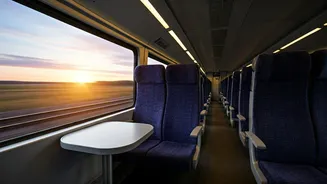
Choosing a train isn't just a financial decision; it's an experiential one. A train journey offers a front-row seat to the incredible diversity of the Indian landscape, from verdant rice fields to arid deserts, something you miss entirely from 30,000 feet. It’s a more relaxed and immersive way to travel, free from the stress of airport security queues and boarding rushes. You have the space and freedom to walk around, stretch your legs, or simply sit back and watch the world go by. This mode of transport also fosters a unique social environment, where you can interact with fellow travellers from different walks of life, sharing stories and experiences in a way that is rare on a flight.
When Does a Train Make the Most Sense?
While flights are unbeatable for speed over very long distances, trains are often the superior choice for many scenarios. For journeys under 600-800 km, trains are frequently more convenient and time-effective once you factor in airport transit and check-in times. They are ideal for overnight travel, allowing you to sleep and arrive at your destination refreshed. Trains also provide vital connectivity to smaller towns and remote areas that don't have airports, making them the backbone of travel in India. Ultimately, if your priority is a blend of cost-effectiveness, comfort, and a genuine travel experience, the train is often the smartest and most rewarding option.