


The Root of the Problem
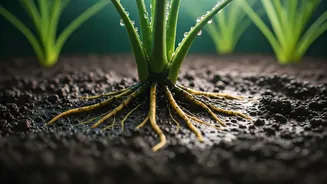
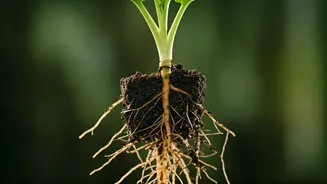
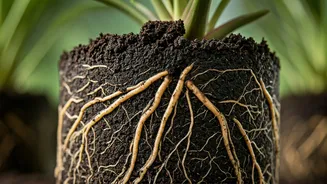
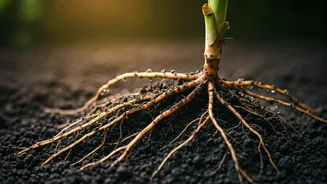
Proper drainage is one of the most critical, yet overlooked, aspects of container gardening. Plant roots need a balance of moisture and oxygen to thrive. When water sits at the bottom of a pot with no escape route, the soil becomes waterlogged. This suffocates
the roots, depriving them of the air they need for essential metabolic functions. The result is root rot, a devastating condition where roots decay, often inviting fungal and bacterial pathogens. Symptoms of poor drainage can be misleading; a plant might wilt as if it's thirsty, but in reality, its roots are drowning.
Spotting the Danger Signs
Before your plants reach a critical state, they will show signs of distress from poor drainage. One of the first indicators is yellowing leaves, especially the lower ones, or new leaves turning brown. You might also notice slowed or stunted growth, as the compromised root system can't transport nutrients effectively. Another tell-tale sign is the soil itself. If it remains soggy long after watering or if water pools on the surface during rain, your drainage is inadequate. A sour or musty smell from the soil is a clear indicator that anaerobic bacteria are at work, a hallmark of waterlogged conditions.
The Right Foundation: Pots and Soil
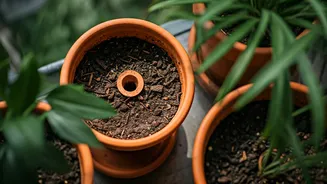
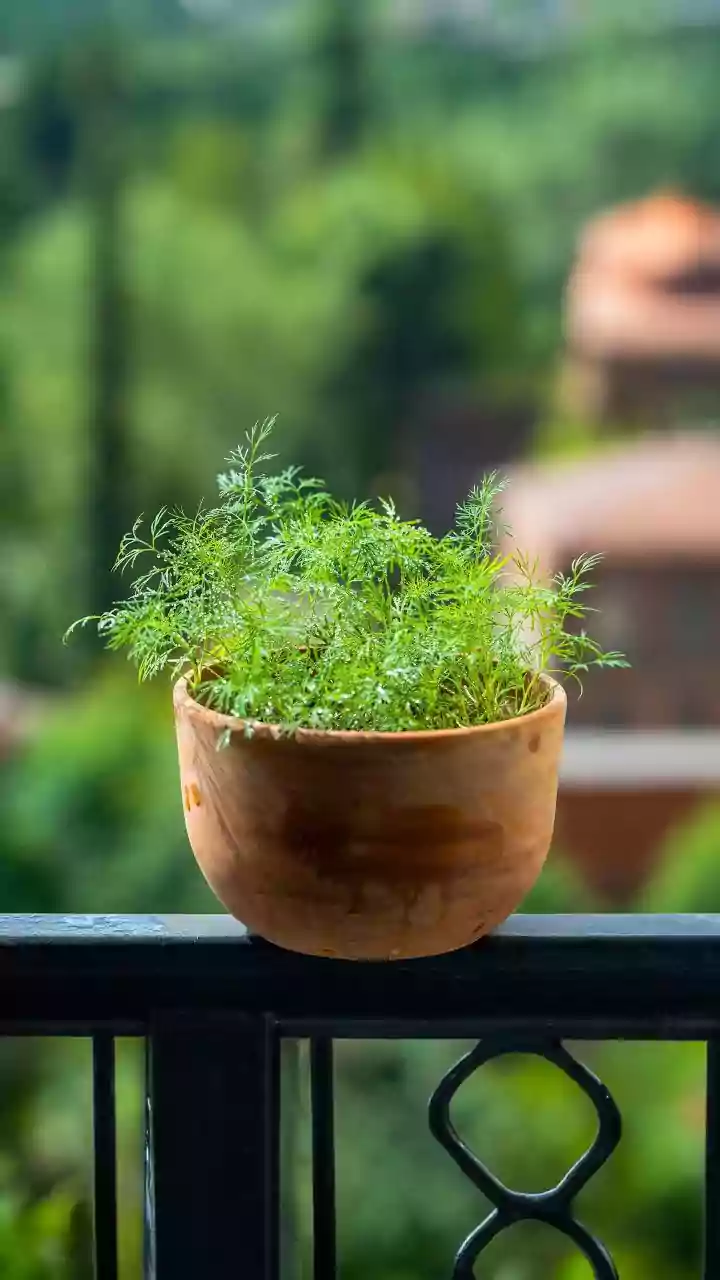
The first line of defence is choosing the right pot and soil. Always opt for containers with at least one drainage hole at the bottom; multiple holes are even better. If you fall in love with a decorative pot that has no holes, use it as a 'cachepot'. Place your plant in a slightly smaller plastic pot with holes, and then set that inside the decorative one. Be sure to empty any water that collects in the outer pot. Just as important is the potting mix. Never use heavy garden soil in containers, as it compacts easily and retains too much water. A good potting mix designed for containers will be light and fluffy, often containing ingredients like perlite, pumice, or coco coir to create air pockets and facilitate water flow.
Monsoon-Proofing Your Pots
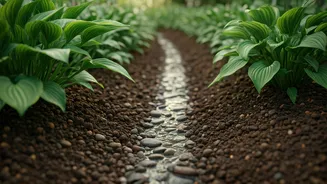
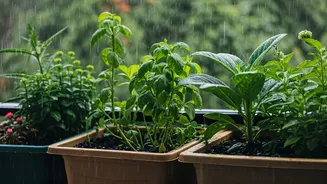
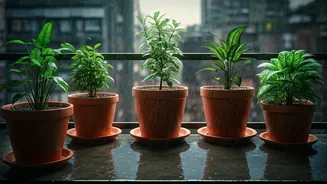
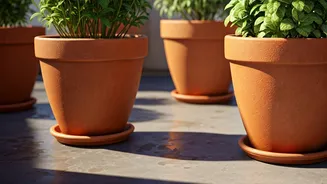
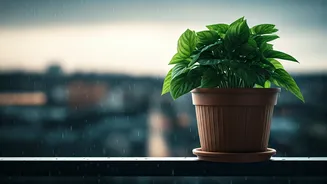
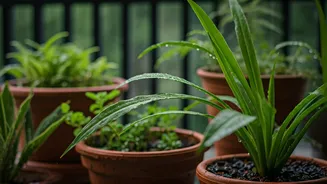
The heavy, persistent rains of the Indian monsoon demand extra vigilance. One of the most effective strategies is to simply get your pots off the ground. Placing pots on bricks, wooden blocks, or purpose-built 'pot feet' creates an air gap underneath, ensuring drainage holes don't get blocked by the terrace floor. It's also wise to check the drainage holes periodically during the rainy season and clear any clogs. If water collects in the saucers beneath your pots, empty them promptly. For plants that are particularly sensitive to wet conditions, you can add a ring of coarse river sand around the base to help surface water drain away more quickly.
Debunking a Common Myth
For years, a common piece of advice was to add a layer of gravel or broken pottery shards (crocks) to the bottom of pots to improve drainage. However, modern horticulture science has shown this to be a myth that can actually worsen the problem. Instead of helping water escape, this coarse layer creates something called a 'perched water table'. Water does not move easily from the fine-textured potting soil to the coarse gravel below. It will instead saturate the soil just above the gravel layer, effectively raising the waterlogged zone closer to the plant's roots and increasing the risk of rot. It is better to use a high-quality, well-draining potting mix throughout the entire pot.
Creating Your Own Drainage-Friendly Mix
For ultimate control, you can create your own well-draining potting mix. A simple and effective recipe is to combine equal parts of a standard peat-based or coco coir-based potting mix, compost, and a coarse material for aeration. For the aeration component, perlite is a popular choice, but you can also use coarse sand, pumice, or pine bark fines. For every three or four scoops of compost or soil, add one or two scoops of your aeration material. This creates a balanced medium that holds enough moisture for the plant's needs while allowing excess water to drain away freely, keeping roots healthy and resilient.