


The Pookalam: A Natural Welcome
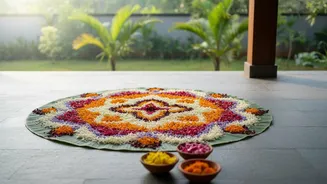
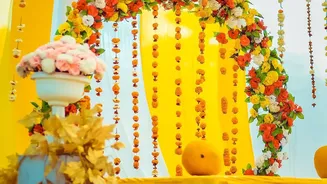
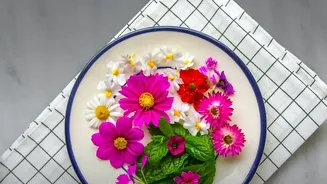
The Pookalam, or floral carpet, is the heart of Onam decorations. Traditionally made with locally sourced, fresh flowers, it’s an inherently eco-friendly practice. To keep it waste-conscious, avoid plastic or synthetic flowers which have become common.
Instead, use seasonal and local blooms like marigolds (jamanthi), jasmine (mulla), and globe amaranth (vadamalli). These flowers are not only fragrant and beautiful but are also fully biodegradable. After the festivities, the flower petals can be added to your compost bin, enriching the soil and completing a natural cycle. For a different texture, you can also incorporate colourful leaves, sawdust, or even coloured rice and pulses.
Lighting: Earthen and Timeless
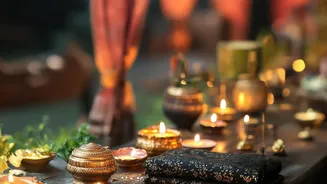
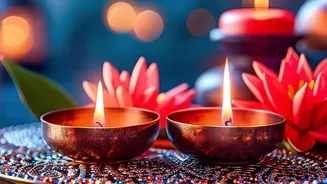
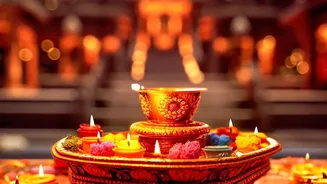
The warm glow of lamps is essential to the festive atmosphere. Instead of plastic-based serial lights or LED candles that contribute to electronic waste, return to traditional lighting. Earthen diyas or clay lamps are a classic choice that adds a rustic, authentic touch to your home. These are inexpensive, reusable, and free from plastic. For a grander statement, a traditional brass Nilavilakku (lamp) can become a centrepiece, a family heirloom to be used for generations, making it a truly sustainable investment. You can also place tea lights in repurposed glass jars or coconut shells for a creative, upcycled lighting solution.
Door Hangings: The Green Gateway
Welcome guests with beautiful, handmade 'thoranams' or door hangings. Traditionally, these are made with fresh mango and coconut leaves, which are believed to purify the air. This year, try making your own by stringing together leaves and flowers. If fresh leaves aren't available, you can create long-lasting versions by upcycling materials you already have. Old fabrics from sarees or dupattas can be braided or stitched into colourful torans. You can also get creative with handmade paper, cardboard cutouts, or even painted coconut husks for a unique and personal touch that keeps waste out of landfills.
Sadhya Setup: Naturally Elegant
The grand Onam Sadhyam (feast) is a highlight of the festival, and its presentation can be a form of decoration in itself. The most traditional and eco-friendly way to serve the meal is on a fresh banana leaf. This eliminates the need for disposable plates and, once the meal is over, the leaves can be composted. For table runners and mats, use banana leaves or jute fabric instead of plastic sheets. Decorate the dining space with urlis (brass bowls) filled with water and floating flowers or diyas. These simple touches connect the feast to nature, reflecting the harvest spirit of Onam.
Upcycled Accents: Creativity from Cast-offs
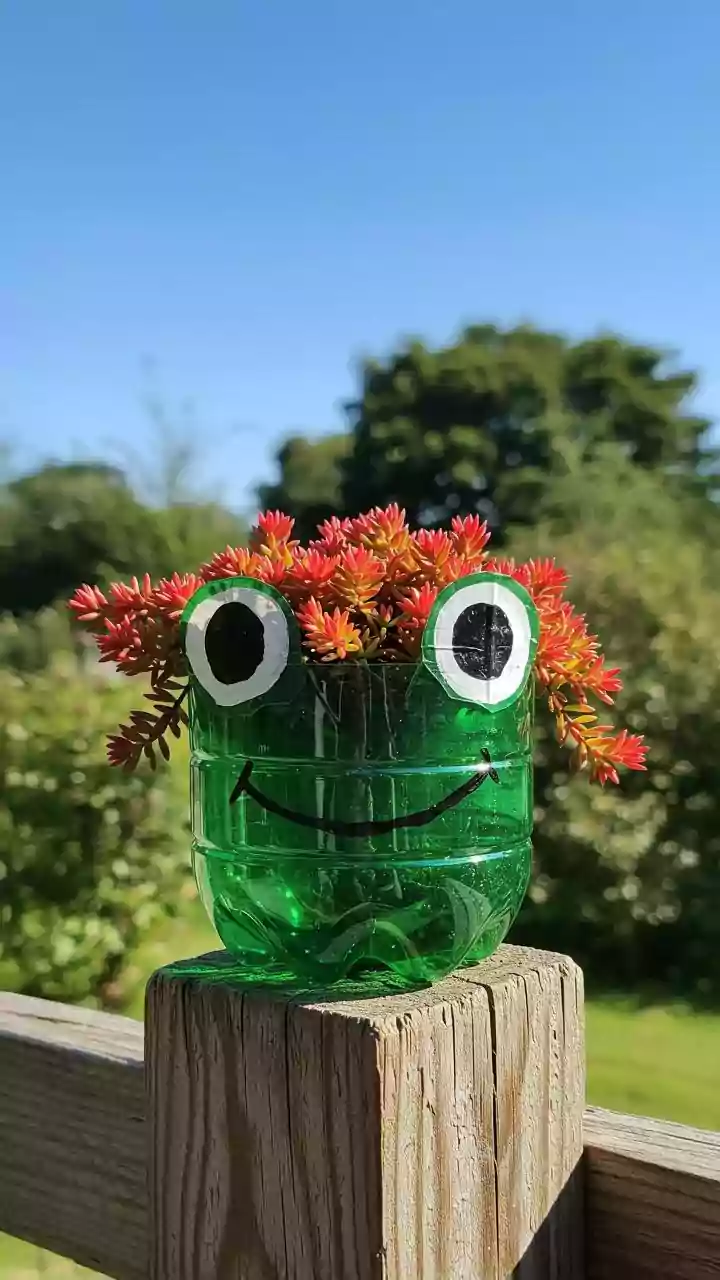
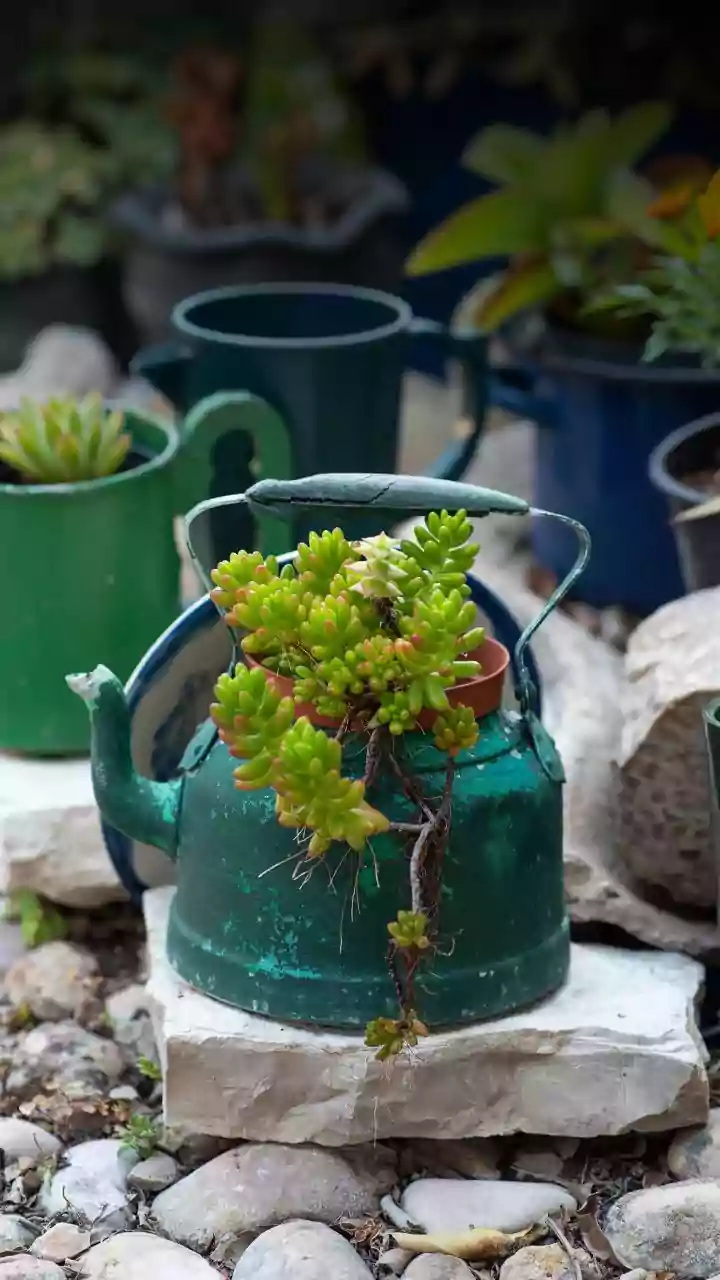
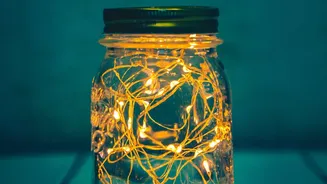
Extend your eco-conscious approach to the smaller details around your home. Glass bottles can be painted or filled with fairy lights to become beautiful lanterns. Old jars can be decorated and used as flower vases or candle holders. Even coconut shells can be cleaned and repurposed as small bowls for flowers or diyas. By looking at everyday items with a creative eye, you can reduce waste and craft personalized decorations that tell a story. This approach not only saves money but also instills a sense of mindful celebration in the family.