







The Headline-Grabbing Prices
The central appeal of the Bharat brand initiative is its aggressive, consumer-friendly pricing. The government has made these staples available to help manage household expenses and counter food price inflation. Recently, new prices were announced for
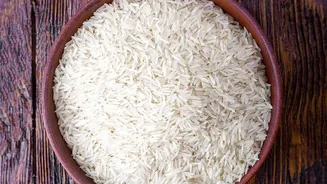
the 2026-27 season. Bharat Rice is being sold at a Maximum Retail Price (MRP) of ₹35 per kg for 5 kg and 10 kg packs until October 31, 2026. For those buying in greater bulk, a 30 kg pack is available for ₹33 per kg. Meanwhile, Bharat Atta has been fixed at an MRP of ₹32 per kg. These prices are significantly lower than many private brands, making them an attractive option for millions of families.
The Per-Kilo Calculation Is Key
The fixed pack sizes of 5 kg and 10 kg for rice and typically 10 kg for atta are central to the government's distribution strategy. For a shopper, this means the smallest bag of Bharat Rice (5 kg) costs ₹175, while a 10 kg bag costs ₹350. A 10 kg bag of Bharat Atta costs ₹320. This is where the comparison becomes critical. While the per-kilo price is low, the minimum purchase is often a larger bag. This requires a higher initial cash outlay compared to buying a 1 kg pack of a private brand, even if that private brand is more expensive on a per-kilo basis. The conversation, therefore, shifts from 'which is cheaper?' to 'which is more practical for my family's budget and consumption this week?'
How Private Brands Compete
Walk into any kirana store or supermarket, and you'll find atta and rice from private labels available in a wide array of sizes—1 kg, 2 kg, 5 kg, and 10 kg packs are common. A 5 kg pack of a popular branded atta might cost between ₹220 and ₹250, which works out to ₹44-₹50 per kg. Similarly, rice from other brands can range anywhere from ₹40 to over ₹100 per kg, depending on the variety and brand. While clearly more expensive per kilo than their Bharat brand counterparts, the availability of smaller 1 kg packs allows for more flexible purchasing for those with tighter weekly budgets or limited storage space. This convenience and flexibility is the primary way private brands compete against the government's low-price strategy.
Beyond Price: The Question of Quality and Availability
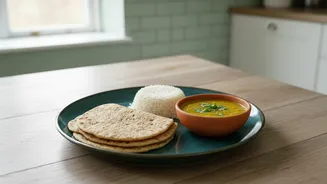
Price is not the only factor for consumers. The quality of the staple is equally important. Reviews for Bharat Rice are often mixed; some consumers find it to be a good, affordable option for daily meals, while others report that it can be sticky. For atta, home-chefs have their own preferences for texture and how soft the rotis turn out. Private brands have built loyalty over years by delivering consistent quality. Another significant factor is availability. While the government is distributing Bharat staples through agencies like NAFED, NCCF, and Kendriya Bhandar, as well as mobile vans, they can sometimes be out of stock or not as readily available as established commercial brands that have deep distribution networks.
The Strategy Behind Bulk Packs
The government's decision to focus on 5 kg and 10 kg packs is not arbitrary. This approach is rooted in logistical efficiency and targeting the monthly grocery cycle of an average family. Larger packs mean lower packaging and handling costs per kilogram, allowing the government to pass on more savings to the consumer. It also encourages a pattern of bulk purchasing, which can help stabilize household food supplies for longer periods. For families that can afford the upfront cost and have the storage, buying a 10 kg bag of rice or atta at a subsidized rate offers undeniable value and protects their budget against market price fluctuations for weeks at a time.