

The Problem with Closed Cupboards
When you come in from the rain, the immediate instinct is to tuck your damp shoes away. However, placing them in a closed, dark cupboard creates a paradise for mould and mildew. High humidity, often exceeding 70-90% during the monsoon, combines with the lack
of sunlight and ventilation inside a cabinet to create the perfect breeding ground for fungus. Leather, being a porous, organic material, not only absorbs moisture from the air but also serves as a nutritional source for these microbes. This trapped moisture leads to that familiar musty odour, the dreaded appearance of white or green fuzz, and can eventually cause materials to crack, warp, and lose their shape. Essentially, a closed cupboard becomes a humidity trap, accelerating the very damage you're trying to prevent.
The Power of Airflow and Proper Drying
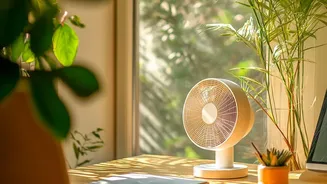
The antidote to this damp disaster is simple: airflow. Proper ventilation is the single most critical factor in preserving your shoes. Instead of shutting them away, allow your footwear to air-dry in a well-ventilated space, like a covered balcony or a room with open windows. Never use direct heat sources like a heater or hairdryer, as this can cause leather to crack and materials to warp. The best immediate action is to wipe off any mud or dirt, then stuff the shoes with absorbent materials like newspaper or old t-shirts. The paper wicks moisture from the inside, a process that should be repeated every few hours until the shoes are completely dry. Giving shoes at least 24 hours to dry out before wearing them again is a crucial habit to adopt.
Material-Specific Monsoon Care
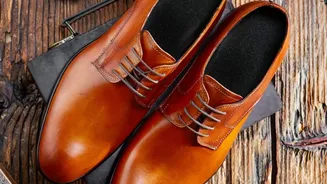
Different shoes require different tactics. For leather, which is highly susceptible to water damage, prevention is key. Applying a waterproof spray before the season starts can create a protective barrier. If they do get wet, dry them carefully and apply a leather conditioner to restore their natural oils. Canvas and fabric sneakers are magnets for moisture. Avoid machine washing, which can deform them, and instead opt for hand-washing with a mild soap solution before air-drying. Suede and nubuck are the most vulnerable and should ideally be avoided on very rainy days; however, a specialised waterproof spray can offer some protection. For all types, but especially leather, rotating between at least two pairs ensures that no single pair is worn while still damp, drastically extending their life.
Smart Storage for Humid Conditions
If an open, airy space isn't an option, you can still outsmart the humidity. Open-shelved racks are far superior to closed cabinets because they allow for constant air circulation. To level up your storage game, employ desiccants. Small packets of silica gel, often found in new product packaging, are excellent at absorbing moisture. Tucking a few packets into each shoe or placing them in your shoe cabinet can dramatically lower the humidity in that micro-environment. Some sources also suggest natural alternatives like placing neem leaves or camphor balls in the cupboard, which act as anti-fungal agents. If you must use a closed cabinet, leaving the door slightly ajar can make a significant difference.