



Focus on the 'Must-Have' Dishes
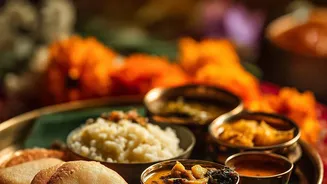
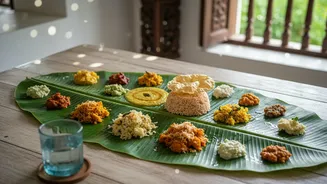
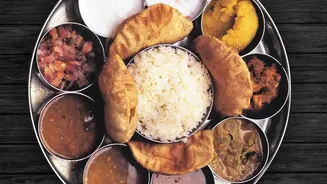
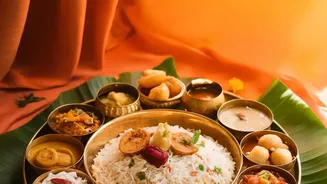
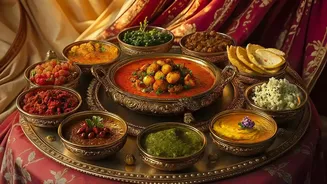
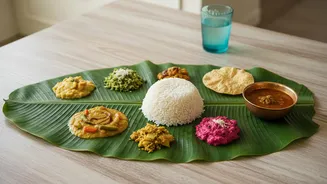
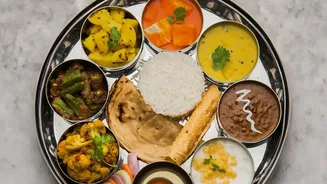
A traditional Sadya can feature over 26 dishes, but you don't need to make them all to capture the spirit of the feast. A fulfilling and authentic experience can be created with a more focused menu. The undisputed star is Kerala Matta Rice. Accompany
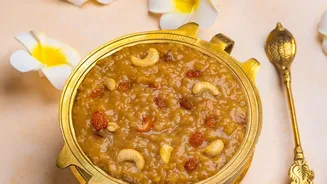
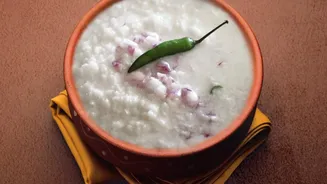
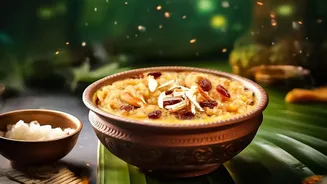
it with a core set of dishes that provide a balance of flavours and textures. Essential liquid curries, or 'ozhichu koottan', include Parippu (a simple dal curry with ghee), Sambar (a hearty vegetable and lentil stew), and perhaps a tangy Pulissery. For the side dishes, ensure you have Avial, a medley of vegetables in a coconut-yoghurt base. Add one dry vegetable stir-fry like a Thoran (often made with cabbage or beans), and one yoghurt-based side like a Kichadi or Pachadi. Finally, no Sadya is complete without the accompaniments: crispy Pappadam, banana chips (upperi), and a sharp pickle like Inji Puli (ginger-tamarind chutney). Finishing with a simple Payasam for dessert rounds out the meal perfectly. Focusing on these 8-10 items delivers the full Sadya experience without exhausting the cook.
Create a Two-Day Prep Schedule
The secret to a stress-free Onam morning is planning and preparation. Spreading the work over two days makes the process manageable and enjoyable. One to two days before, tackle the tasks that can be done in advance. This is the time to prepare pickles like Inji Puli or a simple mango pickle, as their flavours often improve overnight. You can also make Sharkkara Varatti (jaggery-coated banana chips) and fry your banana chips and pappadams, storing them in an airtight container. This is also the perfect time for the most labour-intensive task: vegetable preparation. Chop all the required vegetables for Sambar, Avial, and Thoran, and store them in separate containers in the refrigerator. Grating the coconut, a key ingredient in most dishes, can also be done ahead of time. Some people also pre-boil the dal for the Sambar and Parippu curry.
Your Onam Day Cooking Game Plan
On the day of the Sadya, your focus should be on assembly and fresh cooking. With all your vegetables chopped and pastes ready, the process becomes much smoother. Start with the dishes that require longer cooking times. This usually means getting the rice on the stove first, especially if you're using traditional Matta rice which can take 30-40 minutes to cook. Simultaneously, you can start the Payasam, which often requires slow simmering. Next, move on to the main curries. If you've pre-boiled your dal, the Sambar will come together relatively quickly. Avial is another dish to start early, as it involves cooking multiple vegetables. The quickest dishes should be saved for last to ensure they are served fresh. These include the Thoran (a quick stir-fry) and the yoghurt-based Kichadi and Pachadi, which only need final assembly. A smart hack is to prepare the tempering (tadka) for multiple dishes in one go. Heat coconut oil, splutter mustard seeds, curry leaves, and dried red chillies, and then portion it out over the different curries like Parippu, Sambar, and Thoran.
Work Smarter, Not Harder
Embracing a few modern shortcuts can make a world of difference without compromising on tradition. A pressure cooker is your best friend; use it to cook dal, beans, and even vegetables like elephant foot yam or raw bananas to save significant time. Instead of grating coconut by hand, a food processor or a good mixer-grinder can prepare the coconut paste needed for many dishes in minutes. While homemade is always special, there is no shame in using some high-quality store-bought items. Ready-made banana chips and pappadams are widely available and just as delicious. You can also find excellent ready-made pickles. Finally, remember that Onam is a festival of community. Turn the Sadya preparation into a family activity. Delegate tasks like chopping vegetables, grating coconut, or frying the pappadams. Not only does it lighten the load, but it also brings the family together in the kitchen, making the process a joyful part of the celebration.