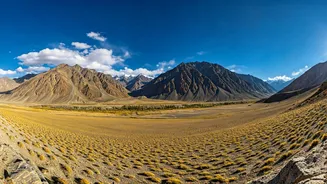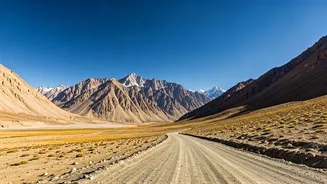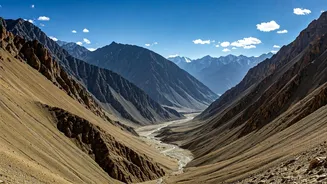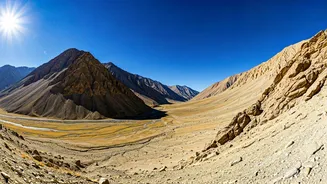




The Rain-Shadow Advantage
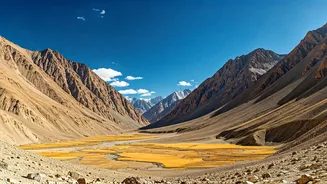
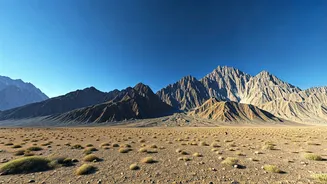
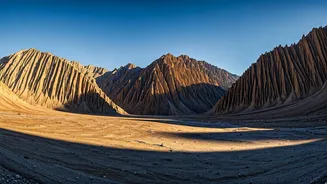
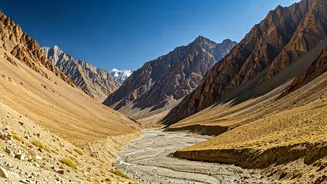
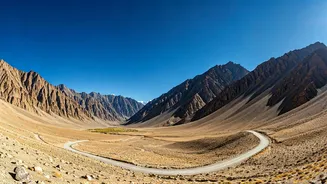
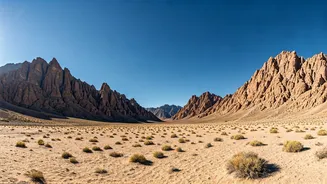
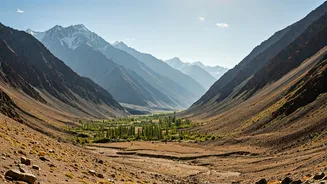
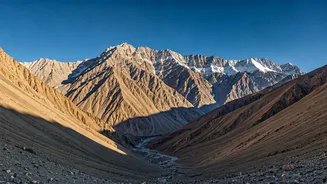
While most of the country is drenched, Spiti Valley, a cold desert in Himachal Pradesh, remains largely dry. This is due to its unique geographical location in a rain-shadow region. The towering Himalayan ranges block most of the monsoon clouds, ensuring
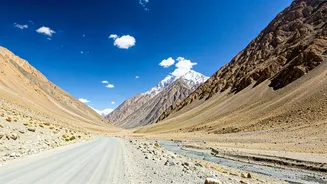
that while places like Shimla and Manali get soaked, Spiti enjoys a climate of sunny days and clear skies, perfect for exploration. This makes the monsoon season, from July to September, an unexpectedly ideal time to visit. You'll find fewer tourists and a more serene environment, allowing for a peaceful connection with the stunning landscapes. Though the valley itself is arid, light showers can occasionally bring a surprising flush of green to the otherwise barren-brown mountains, creating a breathtaking contrast.
Choosing Your Path to Paradise
Reaching Spiti Valley is an adventure in itself, with two main routes from Delhi: via Shimla or via Manali. The Shimla-Kaza route is longer but generally considered more reliable during the monsoon. It allows for gradual acclimatization to the high altitude as you travel through the Kinnaur valley. The Manali-Kaza route, which crosses the high-altitude Kunzum Pass, is shorter but more challenging. It typically opens in June and offers dramatic views, but the approach roads can be susceptible to landslides and water crossings during monsoon months. For first-time visitors or those prioritizing a smoother journey, the Shimla route is advisable. Whichever path you choose, be sure to check road conditions before you travel and build in a few buffer days for any unexpected delays.
A World of Monasteries and High-Altitude Wonders
Spiti is a land of ancient Buddhist culture, and its monasteries are a testament to its spiritual heritage. The Key Monastery, perched dramatically on a hilltop, is the largest in Spiti and offers panoramic views of the valley. Tabo Monastery, known as the 'Ajanta of the Himalayas', houses exquisite murals and scriptures. Other must-visit monasteries include the Dhankar Monastery, which seems to cling precariously to a cliff, and the serene Tangyud Monastery in Komic, one of the highest villages in the world. Beyond the monasteries, explore the unique villages of the region. Hikkim has the world's highest post office, where you can send a postcard to loved ones. Langza, with its giant Buddha statue overlooking the valley, is famous for its abundance of ancient marine fossils.
Adventure and Stargazing
The stark beauty of Spiti Valley provides a playground for adventure enthusiasts. The region offers numerous trekking opportunities, from short hikes to nearby lakes like Dhankar Lake to longer trails through the picturesque Pin Valley National Park. The journey to the stunning Chandratal Lake, the 'Lake of the Moon', is a highlight for many, offering incredible camping opportunities under a star-studded sky. Thanks to its high altitude and lack of pollution, Spiti is a prime destination for stargazing, with the Milky Way often visible in spectacular clarity on clear nights. For those seeking a thrill, river rafting on the Spiti River provides a dose of adrenaline amidst the icy Himalayan waters. You can also simply drive the incredible circuit, which is an experience in itself.
Practical Tips for a Smooth Journey
A trip to Spiti requires some planning. While Indian citizens do not need a permit for most of Spiti Valley, it's essential to carry a valid government-issued photo ID for registrations at various checkpoints. The roads, especially on the Manali side, can be rough, so a vehicle with high ground clearance, like an SUV, is recommended. Accommodation ranges from hotels and guesthouses in the main town of Kaza to authentic homestays in smaller villages, which offer a wonderful cultural immersion. Pack in layers, as temperatures can fluctuate dramatically between sunny days and cold nights. Essential items include warm clothing, sun protection (sunscreen, sunglasses, hat), and sturdy walking shoes. Finally, remember that Spiti's ecosystem is fragile. Travel responsibly, respect local customs, and leave no trace behind.