


The Mocktail Problem
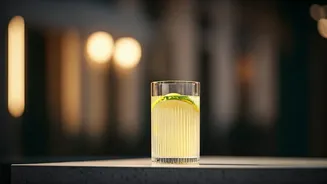
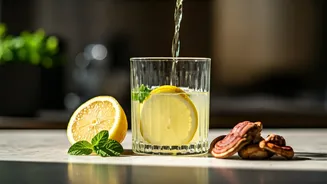
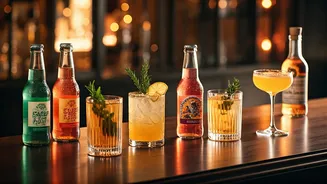
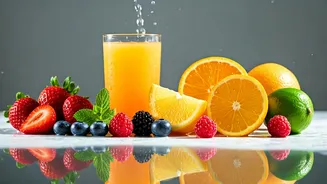
For years, the default non-alcoholic option at bars and parties has been the mocktail. While well-intentioned, these drinks often fall into a predictable pattern: a sugary mix of fruit juices, syrups, and soda water. They can be cloyingly sweet, lack
complexity, and sometimes feel like a childish consolation prize. For a generation increasingly conscious of sugar intake and seeking more sophisticated experiences, a glass of glorified juice just doesn't cut it. This dissatisfaction created a void, pushing people to look for alternatives that feel just as special, adult, and considered as a craft cocktail, but without the alcohol or the sugar rush.
The Wellness Generation's Choice
This movement is deeply rooted in Gen Z's holistic approach to wellness. This isn't just about avoiding hangovers; it's about actively choosing ingredients that support physical and mental health. The 'sober curious' trend, which champions a mindful approach to alcohol consumption rather than strict abstinence, is a major driver. But it goes deeper. There's a growing desire for 'functional beverages'—drinks that do more than just hydrate. This generation reads labels, understands the impact of high-fructose corn syrup, and is increasingly drawn to ingredients with perceived health benefits, from anti-inflammatory turmeric to stress-reducing ashwagandha. Spiced botanical teas fit this brief perfectly.
What Are Botanical Brews?
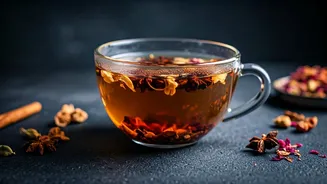
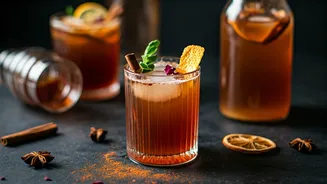
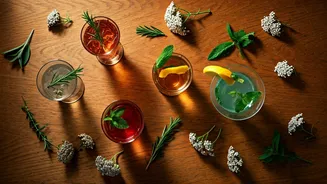
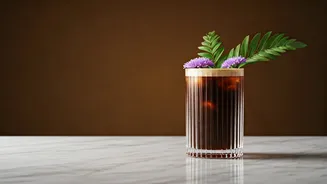
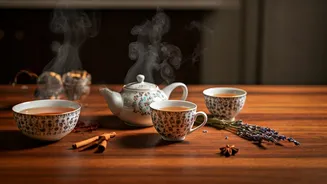
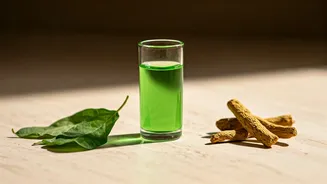
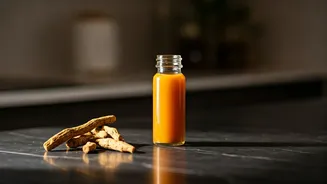
Forget the simple teabag in a mug. The 'spiced botanical teas' at the heart of this trend are complex, layered, and brewed with intention. They are more akin to a slow-simmered potion than a quick cup of chai. Think whole spices like cardamom pods, cinnamon sticks, star anise, and cloves gently heated with fresh ginger and turmeric root. These are often blended with botanicals like hibiscus, rose petals, lavender, or adaptogenic herbs. The result is a drink that is aromatic, flavourful, and anything but one-note. It can be warming and spicy, or bright and floral, offering a sensory experience that evolves with every sip. These brews are served warm in beautiful pots or chilled over artisanal ice, garnished with herbs or edible flowers, giving them the visual appeal of a high-end cocktail.
Reinventing the Tea Party
This isn't your grandmother's afternoon tea with scones and cucumber sandwiches (though there's a place for that, too). The modern tea party is a low-key, intimate social gathering that prioritises connection and conversation. It’s an antidote to the loud, overwhelming bar scene. Influenced by aesthetic movements like 'cottagecore' and a general yearning for slower, more intentional living, these gatherings are about creating a comfortable and beautiful space. The ritual of brewing and serving the tea becomes a central part of the experience. It’s a shared activity that encourages guests to slow down, engage their senses, and connect in a more meaningful way than shouting over a loud playlist.
A More Inclusive Social Scene
Ultimately, the rise of the botanical tea party is about choice and inclusion. It signals a shift away from social events where alcohol is the default and centerpiece. By offering a non-alcoholic option that is just as complex, celebratory, and interesting as a spirit-based drink, hosts are creating more welcoming environments for everyone. It caters not only to the sober or sober curious, but to those who are health-conscious, pregnant, have an early morning, or simply don't feel like drinking on a particular night. It acknowledges that a great social experience doesn't require alcohol, but it does benefit from a great drink in hand—one that feels thoughtful, delicious, and special.