








Redefining What 'Counts' as Exercise
For many, the word 'exercise' brings to mind images of strenuous gym sessions, long runs, or complex fitness classes. While those are effective, this narrow definition can be intimidating and overlooks a crucial component of our daily energy use. Scientists
call it Non-Exercise Activity Thermogenesis, or NEAT. It's the energy we burn doing everything except sleeping, eating, or formal exercise. This includes fidgeting, walking to the bus, carrying groceries, and even standing up from your desk. The cumulative effect of these small, seemingly minor movements can be substantial, accounting for a difference of up to 2,000 calories per day between people of similar sizes. The key takeaway from health guidelines is that moving more and sitting less is beneficial for everyone. In fact, some physical activity is dramatically better than none at all.
The Hidden Workout in Household Chores
Your to-do list might just be the most underrated fitness plan you have. Household chores are often overlooked, but they can be a significant source of physical activity. Activities like briskly vacuuming, mopping floors, vigorous gardening, or washing the car can elevate your heart rate and engage various muscle groups, from your arms and shoulders to your core and legs. These tasks involve functional movements like bending, lifting, pulling, and squatting, which improve muscular strength and cardiovascular fitness. One study found that doing just 30 minutes of this kind of activity five days a week could significantly lower the risk of heart disease and mortality. By approaching your chores with intention—perhaps by moving a bit faster or engaging your core while scrubbing—you can transform routine tasks into a meaningful workout.
Walking: Your Most Accessible Fitness Tool
Walking is one of the simplest and most effective forms of physical activity. It requires no special equipment, is free, and can be easily integrated into your day. Health authorities recommend adults get at least 150 minutes of moderate-intensity activity per week, and a brisk walk certainly counts. But you don't need to complete it all at once. Even short, 10-minute walks add up and contribute to your weekly goal. Research shows that people who average over 7,000 steps per day have a significantly lower mortality risk. You can increase your step count by taking the stairs, parking farther from your destination, or turning phone calls into walking meetings. These small changes can improve your metabolism, boost heart health, and contribute to weight management.
The Quiet Power of a Daily Stretch
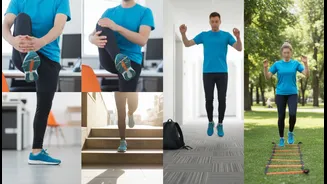
While it may not burn a lot of calories, daily stretching is a powerful habit for long-term health and mobility. Regular stretching improves flexibility, which helps you perform everyday activities with greater ease and a lower risk of injury. It can also improve posture by loosening tight muscles that pull your body out of alignment, such as those in the chest and hips. Stretching increases blood flow to your muscles, delivering more oxygen and nutrients, which aids in recovery and can reduce muscle stiffness and soreness. Even a simple five-minute routine in the morning or short stretch breaks throughout the day can alleviate tension, improve joint range of motion, and promote mental relaxation. It's a gentle way to connect with your body and counteract the effects of prolonged sitting.