



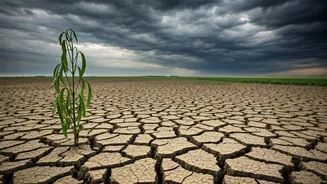


Decoding the 'Monsoon Gap'
We often think of the monsoon as four months of continuous rain, but it’s more of an on-and-off relationship. A 'monsoon break' or 'gap' is a common feature of this season. It’s a period, lasting anywhere from a few days to a week or more, when the widespread
rains take a pause across large parts of the country. This happens when the monsoon trough, a low-pressure belt that drives the rains, shifts from the plains to the foothills of the Himalayas. While this brings heavy rain to the northeastern states and the Himalayan regions, it leaves India's agricultural heartland dry. A short break is normal and can even be beneficial, allowing farm work to proceed. But a prolonged gap, especially during the crucial sowing month of June, can spell trouble.
June 2026: A Month of Worry
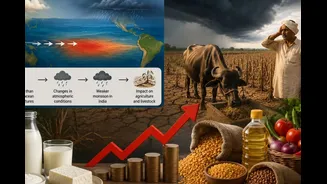
The monsoon season of 2026 began on a worrying note. After a slightly delayed onset, June turned out to be one of the driest in recent history, with a nationwide rainfall deficit of around 40 percent. This severe dry spell, largely driven by a strengthening El Niño phenomenon in the Pacific Ocean, has created a significant 'monsoon gap' right at the start of the Kharif season. The India Meteorological Department (IMD) had already forecast a 'below-normal' monsoon for the year, but the reality of a widespread rainfall deficit in June has put farmers and policymakers on high alert. With central and eastern India being particularly hard-hit, the foundation for the season's crops has been shaken.
From Dry Fields to Your Dal and Sabzi
The connection between rainfall in June and the food on your plate in August is direct and unforgiving. The Kharif season, which depends on the monsoon, is when India grows most of its rice, pulses, and oilseeds. A lack of rain means farmers cannot sow their seeds. As of late June 2026, the data is stark: overall Kharif sowing across the country was down by more than 22% compared to the previous year. The impact is visible across all major crops. The area under rice cultivation was down by 25%, pulses by over 30%, and oilseeds like soybean and groundnut saw a massive 53% drop in sowing area. When sowing is delayed or reduced, the eventual harvest is smaller, creating a supply crunch.
The First Hit: Vegetables and Pulses
While a shortfall in rice or wheat takes time to affect market prices, the impact on vegetables and pulses is almost immediate. These crops are highly sensitive to weather fluctuations. Tomatoes, onions, and other green vegetables have short growing cycles, and a dry spell can quickly decimate the crop, leading to a sudden spike in prices at your local market. Even before the full impact of the weak monsoon, vegetable prices had started rising in June due to intense heatwaves. The delayed sowing of pulses like tur (arhar) and moong is equally concerning. A smaller domestic crop could mean higher prices for your daily dal, a staple source of protein for millions of households.
What Can You Do? Watch, But Don't Panic
Seeing grocery bills climb can be frustrating, but understanding the cause can help you navigate the months ahead. The key is to be a smart consumer. Firstly, keep an eye on the monsoon's progress in July, which is the most critical month for Kharif crops. A revival in rainfall could still salvage the season for many farmers. Secondly, be prepared for price fluctuations, especially in vegetables. This might be the time to embrace seasonal and local produce, which is likely to be more readily available and less expensive. Diversifying your diet and being flexible with your menu can help cushion the impact on your budget. Lastly, avoid panic buying. Hoarding only worsens supply issues and drives prices up further for everyone. While the government has buffer stocks and tools to manage extreme inflation, household smarts remain the first line of defence.