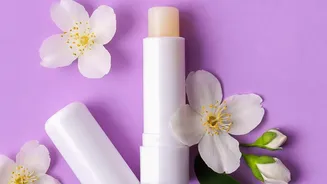



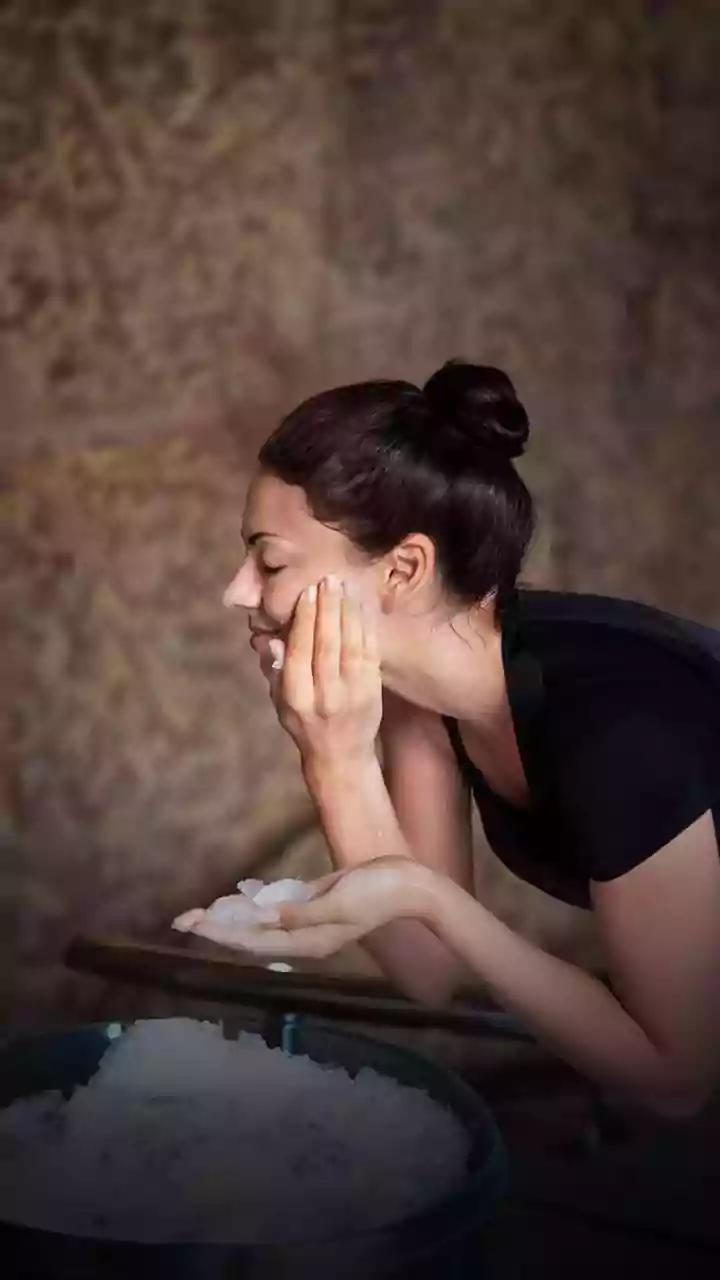
As temperatures drop, our skin often pays the price, feeling tight and dry. The secret to waking up with a hydrated, happy complexion lies in a key final step in your night routine: the humble yet powerful occlusive balm.
Understanding Occlusives: Your Skin's Bodyguard
First, let's clarify what an 'occlusive'
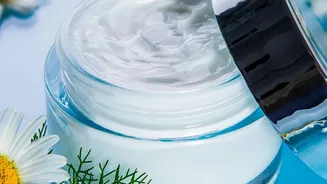
actually is. In skincare, occlusive ingredients form a physical barrier on the skin's surface. Think of it like a protective seal or a cozy blanket for your face. Unlike products that add moisture (humectants) or soften the skin (emollients), the primary job of an occlusive is to prevent the moisture that's already in your skin from escaping. This process is known as transepidermal water loss (TEWL), and it's one of the main culprits behind dry, dehydrated skin, especially in cold, low-humidity environments. By creating this barrier, occlusive balms effectively lock in hydration from the products applied underneath and help protect the skin from harsh environmental conditions.
Why Nighttime Is the Right Time
Your skin's natural repair processes are most active while you sleep. However, TEWL is also higher at night, meaning your skin loses more water as you rest. This makes your evening skincare routine the perfect opportunity to bring in an occlusive. Applying a balm as the final step seals in your serums and moisturizers, allowing them to work more effectively without evaporating. This technique, often called 'slugging', has been used by dermatologists for decades to help repair compromised skin barriers for conditions like eczema or extreme dryness. The result is skin that feels softer, plumper, and more resilient by morning.
Key Ingredients to Look For
Not all occlusives are created equal. Petrolatum (petroleum jelly) is considered the gold standard, capable of reducing water loss by up to 99%. Despite misconceptions, it is considered non-comedogenic, meaning it won't clog pores for most people. For those who prefer a lighter feel, dimethicone is a silicone-based option that provides a smooth, non-greasy finish and is excellent for oily or acne-prone skin types. Natural options are also plentiful. Shea butter, beeswax, and lanolin are effective occlusives that also offer softening emollient properties. Plant-based oils like jojoba and squalane provide a lighter occlusive effect, making them suitable for many skin types.
How to Use an Occlusive Balm Correctly
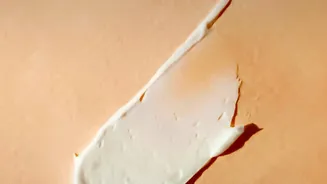
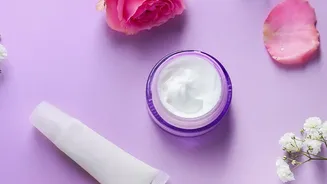
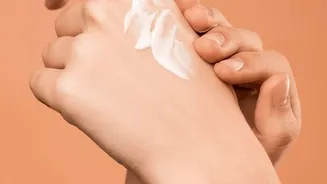
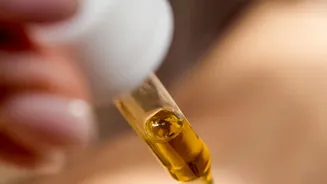
Application is key to getting the most out of your occlusive balm. It should always be the very last step in your nighttime routine. After cleansing, toning, and applying your water-based serums and regular moisturizer, wait a minute for them to absorb. Then, take a small, pea-sized amount of the occlusive balm. Warm it between your fingertips and gently pat it over your entire face or just on areas prone to dryness, like your cheeks, lips, or around the nose. It’s important to apply it to slightly damp or recently moisturized skin, as occlusives work by trapping existing hydration, not by adding it.
A Word of Caution for Certain Skin Types
While nearly everyone can benefit from an occlusive during colder months, those with very oily or acne-prone skin should proceed with a bit of caution. Heavier occlusives like petrolatum, while non-comedogenic, can sometimes feel too rich or trap debris on breakout-prone skin. Lighter options like dimethicone or squalane are often a better starting point. Furthermore, because occlusives enhance the absorption of products layered underneath, you should be careful about applying them over potent active ingredients like prescription retinoids or high-'strength exfoliating acids unless advised by a dermatologist, as this can increase the risk of irritation. When in doubt, start by using a balm two to three nights a week and see how your skin responds.