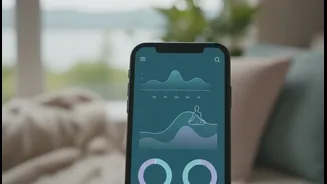










The Digital Graveyard on Your Phone
Your phone is likely home to a digital graveyard of abandoned applications. Research shows that the vast majority of health and wellness apps are dropped within weeks of being downloaded. The initial excitement fades, notifications become annoying, and the pressure
to keep up feels more like a chore than an act of self-care. This cycle isn't a sign of personal failure; it's a design problem. Many apps are built to grab your attention, not to foster sustainable change. They often focus on short-term engagement metrics rather than the bigger, more important goal of helping users build lasting habits that genuinely improve their lives. The result is a paradox of choice where countless options leave us feeling overwhelmed and unsuccessful before we even truly begin.
What 'Meaningful Use' Really Means
The secret to breaking this cycle is to redefine what 'best' means. It isn't the app with the most features, the sleekest design, or the biggest marketing budget. The best app is the one that aligns with your intrinsic motivation and personal goals. Before you even browse the app store, ask yourself what you truly want to achieve. Are you looking to reduce anxiety, build physical strength, improve your sleep quality, or eat more mindfully? Meaningful use comes from connecting a specific, personal need with a tool that addresses it simply and effectively. The goal is to find a digital companion that understands your context and supports your journey, not a one-size-fits-all solution that imposes its own rigid structure on your life.
Personalisation is a Superpower
A truly great wellness app gets to know you over time. Look for platforms that offer a high degree of personalisation, adapting to your progress, schedule, and preferences. Static, generic plans are a primary reason users lose interest. If an app can adjust its recommendations based on your feedback—suggesting a shorter meditation on a busy day or an alternative exercise when it’s raining—you are far more likely to stick with it. This dynamic approach makes the experience feel less like following a set of commands and more like a supportive partnership. Advanced apps use self-learning capabilities and context-aware customisation to ensure the advice you receive is always relevant.
Wellness Is Better Together
While wellness is a personal journey, it doesn't have to be a lonely one. Many successful apps incorporate community features that foster a sense of connection and accountability. This isn't about competitive leaderboards that can sometimes be discouraging. Instead, it’s about creating supportive spaces where users can share progress, participate in group challenges, or simply offer encouragement. Knowing that others are on a similar path can be a powerful motivator, transforming a solitary activity into a shared experience. This social element helps build the app into a daily routine, as it provides a sense of belonging and mutual support.
Gamification That Actually Motivates
Gamification—the use of streaks, badges, and milestones—is a common feature, but its effectiveness varies wildly. The best apps use these tools not to create pressure, but to celebrate consistency and effort. The goal is to make you feel good about showing up, not bad about falling short. A satisfying checkmark for completing a daily goal or a small celebration for a week-long streak reinforces positive behaviour and builds momentum. These features work best when they feel encouraging and earned, turning the process of habit formation into a rewarding and even enjoyable game. If a notification makes you feel guilty, it's not working for you.