



The Gut Health Boom
The single biggest driver behind this trend is the global obsession with gut health. The idea that a healthy gut microbiome—the community of beneficial bacteria in our digestive system—is crucial for overall wellness has gone mainstream. Probiotic drinks
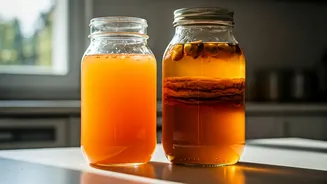
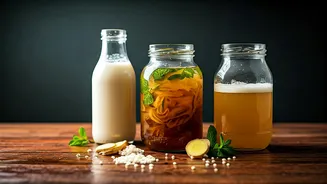
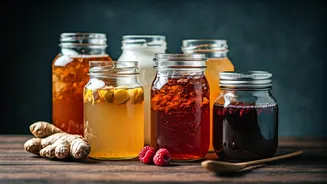
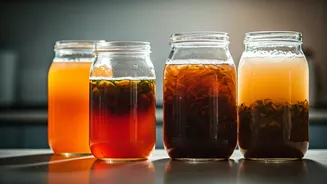
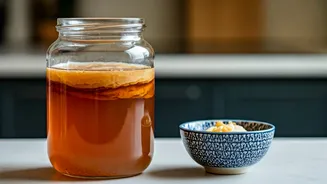
are beverages teeming with these live microorganisms. While drinks like kombucha, a fizzy, tangy fermented tea, and kefir, a creamy, yogurt-like drink, have led the charge globally, they are now staples in many urban Indian homes. Consumers are drawn to their promise of improved digestion, stronger immunity, and better nutrient absorption. The increased focus on immunity, especially since the pandemic, has only accelerated this interest, making functional beverages a fast-growing market in India.
A Return to Our Roots
While kombucha and kefir might seem like modern, Western imports, the truth is that fermentation has been a cornerstone of Indian cuisine for centuries. Long before the term 'probiotic' became a buzzword, Indian households were making their own gut-friendly drinks. The most prominent example is Kanji, a traditional North Indian fermented drink often made with black carrots or beetroot and seasoned with mustard seeds. This tangy, savoury drink is now being rediscovered by a new generation, often dubbed the 'Indian Kombucha'. Similarly, staples like Chaas (buttermilk) and Lassi have always been part of the Indian diet, valued for their cooling and digestive properties. This trend, therefore, is not just about adopting a new fad but about reclaiming and celebrating ancestral food wisdom that was hiding in plain sight.
The Rise of DIY Culture
The trend isn't just about consumption; it's about creation. The lockdowns spurred a wave of home-based hobbies, from baking sourdough to nurturing kitchen gardens. Fermentation fits perfectly into this DIY ethos. It's a hands-on, scientific, and almost magical process. Watching a SCOBY (Symbiotic Culture of Bacteria and Yeast) transform sweet tea into kombucha or seeing kefir grains multiply offers a deep sense of satisfaction. Social media has played a huge role, with countless tutorials on YouTube and Instagram making the process accessible. Online communities and WhatsApp groups have become hubs for swapping starter cultures, sharing tips, and troubleshooting problems, creating a vibrant subculture of home-fermenters. Making these drinks at home is also significantly more cost-effective than buying commercially produced versions, which can be expensive.
Flavour, Fun, and Mindful Living
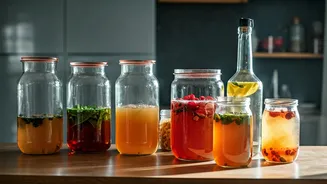
Beyond health benefits, home fermentation is a culinary adventure. The second fermentation stage, where flavours are added, allows for endless creativity. Indian kitchens are infusing their kombuchas and water kefirs with local, seasonal ingredients like mango, guava, jamun, kokum, and spices like ginger and turmeric. This creates unique flavour profiles that are both healthy and tailored to the Indian palate. The process itself encourages a slower, more mindful approach to food. In a world of instant gratification and ultra-processed foods, the patience required for fermentation offers a grounding counterbalance. It connects people to their food in a more intimate way, fostering an appreciation for natural processes and the ingredients involved.