



The High-Altitude Gauntlet
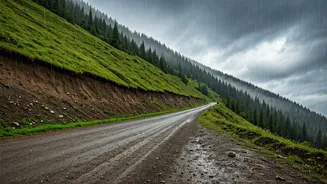
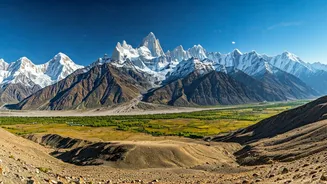
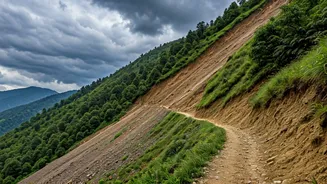
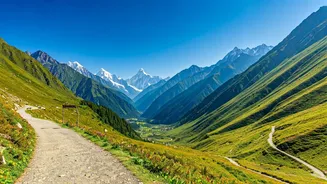
In the upper reaches of the Himalayas, weather is not just a forecast; it’s a formidable adversary. Temperatures can plummet to -30°C or lower, blizzards can reduce visibility to zero in moments, and heavy snowfall can block crucial mountain passes, isolating
entire regions. For the thousands of tourists, pilgrims, and local residents who traverse these areas, a vehicle breakdown or a missed step can quickly become a life-threatening situation. The thin air at altitudes above 10,000 feet exacerbates every challenge, slowing human response and hampering mechanical equipment. It is in this hostile environment that the concept of a 'fast' rescue is redefined, measured not in minutes, but in the successful defiance of nature's overwhelming odds.
The Sentinels on the Scene
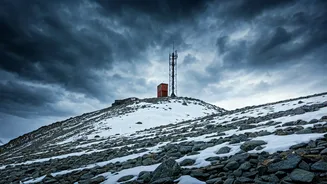
The first line of defence against the mountain’s fury is a network of dedicated personnel from agencies like the Indo-Tibetan Border Police (ITBP), the Indian Army, and the Border Roads Organisation (BRO). These are not just soldiers guarding frontiers; they are seasoned high-altitude specialists trained in mountain warfare, rescue techniques, and emergency medical aid. Stationed in remote outposts, these teams function as a hybrid of security forces and elite disaster response units. Their deep familiarity with the local terrain, combined with rigorous acclimatisation, allows them to operate effectively where others would falter. When a storm hits, these outposts transform into nerve centres for saving lives, their personnel becoming the first and often only hope for those stranded.
Anatomy of a Coordinated Rescue
The key to successful rescues lies in seamless coordination. An operation typically begins with a distress call, often relayed via satellite phone, a local informant, or a patrol that spots trouble. The information is routed to the nearest Joint Control Room, which serves as the operational hub. Here, leaders from the Army, ITBP, and local civil administration work in concert. The first step is to pinpoint the exact location using available technology, which can range from GPS coordinates to visual confirmation from drones, a relatively new but invaluable tool in these missions. Weather patterns are constantly monitored to identify safe windows for movement. A multi-pronged approach is common: one team may attempt a ground rescue with specialised high-altitude vehicles, while another prepares for a potential air evacuation, and a third provides medical support. Communication is maintained through a combination of robust military-grade radio sets and satellite phones, ensuring that all units are synchronised even when conventional networks are down.
Real-World Heroism Amid the Snow
These are not theoretical exercises. In recent years, numerous operations have showcased this system's effectiveness. During one severe snowstorm in Sikkim, hundreds of tourists in over 300 vehicles were left stranded at Nathu La. Army troops stationed nearby immediately launched a rescue operation, working through the night in blizzard conditions. They provided food, shelter, and medical care to the stranded civilians, escorting them to safety in batches. Similarly, ITBP personnel have conducted countless rescues of trekkers and local shepherds caught in sudden snowfalls in states like Uttarakhand and Himachal Pradesh. In one notable incident, they rescued a group of trekkers near the treacherous Lamkhaga Pass, conducting a relentless search-and-rescue mission that lasted for days at an altitude of over 17,000 feet. These operations highlight a critical shift from reactive to proactive measures, enabled by better forecasting and integrated command.
More Than Just Border Security
The capability to mount such complex rescue operations has a significance that extends far beyond national security. It underpins the safety of local communities and is a critical enabler for the burgeoning adventure tourism and pilgrimage economies in these Himalayan states. Knowing that a robust safety net exists encourages responsible tourism and provides a lifeline to remote villages that are often the first to be cut off during severe weather. The presence of these outposts and their rescue-ready teams reassures citizens that the nation's most remote corners are not forgotten. They are a testament to the dual role of our forces: protecting the borders and protecting the people who live, work, and travel near them.