





The Golden Rule: Monsoon Prep
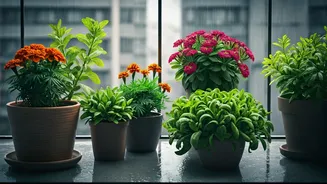
Before you start adding plants, the number one rule of monsoon gardening is ensuring excellent drainage. [2] The season's heavy downpours can quickly lead to waterlogged pots and root rot, which is a common killer of balcony plants. [13] Make sure every
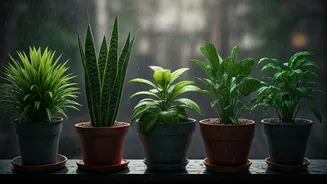
container has unobstructed drainage holes. [2] Using a well-draining potting mix—a combination of garden soil, compost, and sand or cocopeat—is crucial. [3, 4] It’s also wise to elevate pots on bricks or stands to prevent them from sitting in stagnant water. [3] With the right setup, your plants will enjoy the moisture without the risk of drowning. [6]
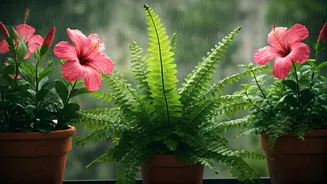
Hibiscus: The Tropical Star
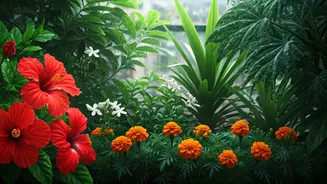
Known for its large, vibrant flowers, the hibiscus is a quintessential monsoon plant that flourishes in warm, moist climates. [5, 8] It adores the humidity and will reward you with a continuous show of brilliant blooms in shades of red, pink, and yellow. [3, 5] Plant it in a pot with nutrient-rich soil and ensure it gets a good amount of morning sun. [5] While it loves the rain, good drainage is still key to prevent root rot. A little pruning early in the season will encourage bushier growth and even more flowers. [5] Keep an eye out for pests like mealybugs that can appear in humid weather; a simple neem oil spray is an effective, natural solution. [3, 5]
Jasmine (Mogra): Fragrance in the Rain
There are few things more magical than the scent of jasmine (Mogra) mixed with the smell of rain-soaked earth. This fragrant vine or shrub thrives in the monsoon's humidity, producing delicate white flowers with an intoxicating perfume. [2, 9] Jasmine prefers well-drained soil and a spot with partial to full sunlight. [8] It's relatively low-maintenance and its beautiful blooms make it a favourite in Indian homes. [8, 9] It’s perfect for creating a sensory experience on your balcony, turning a rainy evening into something truly special. [2]
Lush Ferns: For Shady Corners
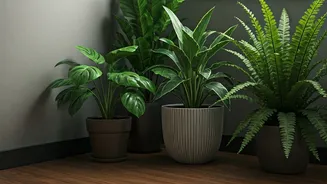
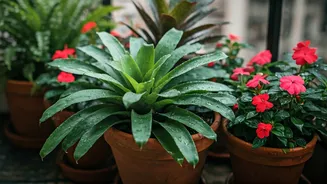
If your balcony has shady spots that don't get much direct sun, ferns are your best friend. They bring a soft, natural aesthetic and absolutely love the high humidity and consistent moisture that the monsoon provides. [5, 11] Varieties like the Boston fern or Sword fern are excellent choices for pots. [5] They do best in porous, organic-rich soil. While they enjoy the damp conditions, ensure there is good air circulation to prevent fungal issues, which can be a problem if they are too crowded. [5] Their lush, green fronds create a tranquil, woodland feel.
Rain Lily: The Monsoon Surprise
True to its name, the Rain Lily is a delightful plant that often bursts into bloom right after a shower. [3] These small, bulb-based plants produce charming, delicate flowers in shades of white, pink, or yellow. [8, 12] They are wonderfully low-maintenance and are perfectly suited for small pots and balcony boxes. [3, 8] Their habit of flowering in response to rain makes them a joyous addition to any monsoon garden, providing a pop of unexpected colour on an overcast day. [12]
Marigold: Bright and Protective
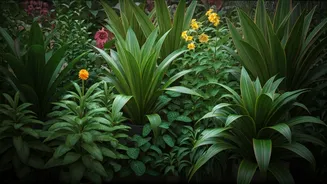
Marigolds are cheerful, hardy annuals that bring a splash of sunny yellow and orange to the gloomiest of rainy days. [8] They are easy to grow and can withstand wet conditions as long as their pots have good drainage. [10] A fantastic bonus is that marigolds are natural pest repellents, helping to protect your other, more sensitive plants from insects that are more active during the monsoon. [3, 11] Their bright, continuous blooms make them a practical and beautiful choice. [8]