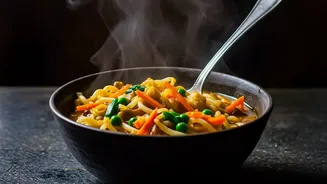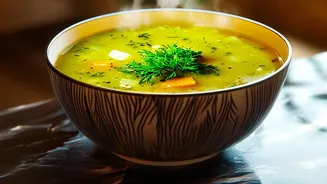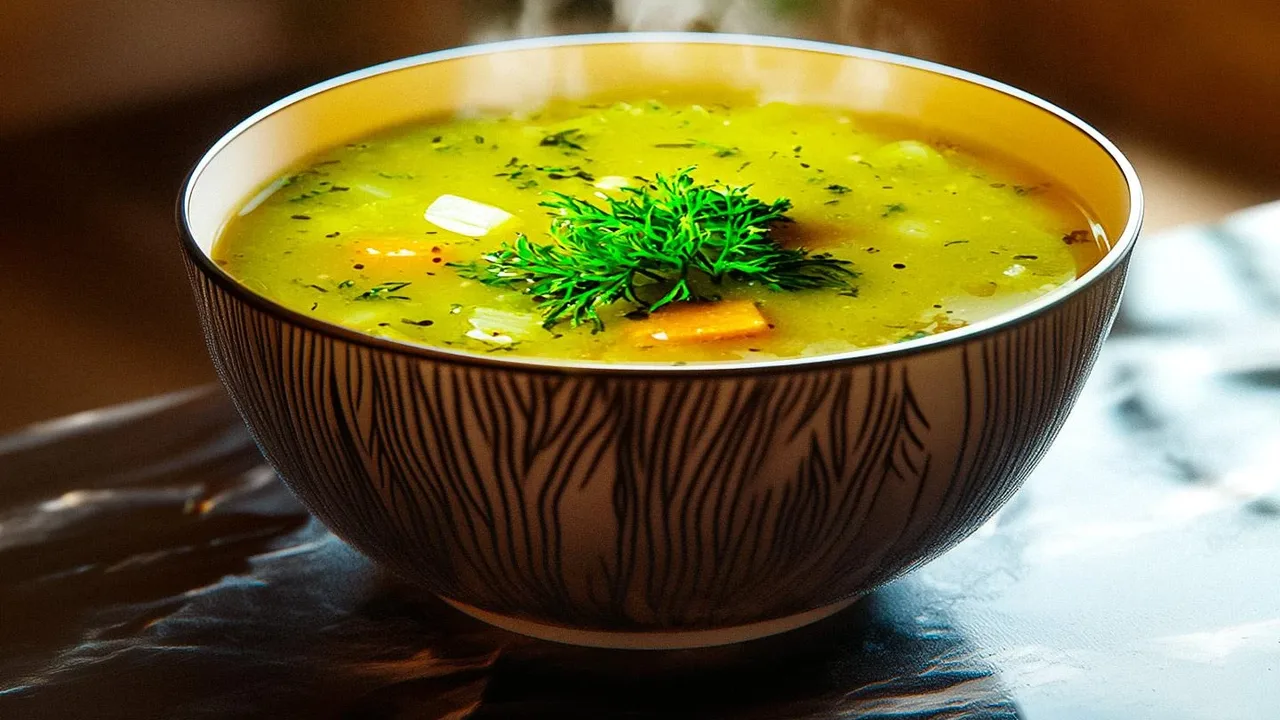




Sharing a meal is an act of love, and for elderly family members, a warm bowl of soup can be the ultimate expression of care. A simple quinoa soup, brimming with soft-cooked vegetables, is more than just comfort food; it's a nutritional powerhouse.
A Bowl of Comfort and Connection
There
are few things as comforting as a bowl of warm soup. For many seniors, meals can become a challenge due to dental issues, difficulty chewing, or a diminished appetite. A thoughtfully prepared soup addresses these concerns directly. It is easy to eat, gentle on the digestive system, and provides a sense of warmth and well-being that can be deeply reassuring. Preparing and sharing this meal is also a powerful way to connect, transforming dinnertime from a simple necessity into a cherished moment of shared comfort and care. The act itself says 'I'm thinking of you' in a way that is both practical and profoundly loving.
Why Quinoa Is a Superfood for Seniors
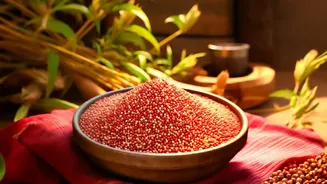
Quinoa has earned its reputation as a 'superfood' for good reason, and it's particularly beneficial for older adults. Unlike many other grains, quinoa is a complete protein, meaning it contains all nine essential amino acids necessary for maintaining muscle mass and strength, which can decline with age. It's also naturally gluten-free and has a low glycemic index, making it a smart choice for those managing blood sugar levels. Rich in fiber, quinoa supports healthy digestion and can help prevent constipation. Furthermore, it is packed with essential minerals like magnesium and manganese, which are important for bone health.
The Gentle Power of Soft Vegetables
Cooking vegetables until they are soft and tender is key for senior nutrition. This preparation makes them much easier to chew and swallow, which is crucial for anyone with dental problems or swallowing difficulties, a condition known as dysphagia. Soft-cooked vegetables also make nutrients more accessible for the body to absorb. Good choices for a gentle soup include carrots, sweet potatoes, zucchini, and butternut squash. When steamed or boiled in a soup, these vegetables retain many of their valuable vitamins and minerals while becoming wonderfully soft and easy to eat.
The Warmth that Heals and Hydrates
The importance of a warm, broth-based meal cannot be overstated. Soups are an excellent source of hydration, which is a common concern among the elderly as the sense of thirst can decrease with age. A warm soup is not only comforting but also gentle on the stomach, promoting better digestion. The liquid base helps ensure the meal is moist and easy to swallow, reducing the risk of choking and making the entire eating experience more pleasant and safe. This simple warmth can feel incredibly nourishing, especially during colder weather or when feeling under the weather.
Crafting the Perfect Pot
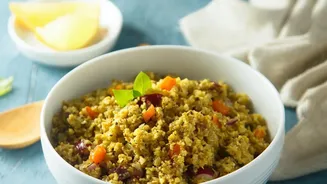
Creating this nourishing soup is straightforward. The goal is a finished dish that is flavourful, nutritious, and has a soft consistency. Start with a low-sodium vegetable or chicken broth as your base. Add rinsed quinoa and a variety of diced vegetables like carrots, celery, sweet potatoes, or pumpkin. Simmer everything together until the quinoa is fully cooked—its 'tail' will unfurl—and the vegetables are fork-tender, easily mashed against the side of the pot. Avoid adding tough-skinned vegetables or small, hard items like seeds. For extra protein, you can add finely shredded chicken or soft lentils. Season gently with herbs like thyme or a little ginger rather than excess salt to keep it heart-healthy and delicious.