


Why the Solstice Night Is Special
The winter solstice, typically around December 21st in the Northern Hemisphere, marks the shortest day and the longest night of the year. For us in India, this means the sun takes its lowest and shortest path across the sky, giving us an extended period
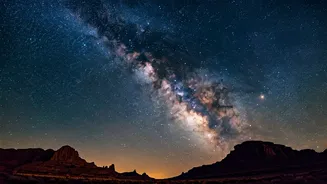
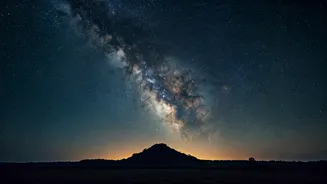
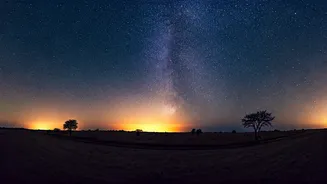
of darkness. This extra time isn't just a number; it's a golden opportunity for stargazers. The prolonged night allows our eyes more time to adapt to the dark, making fainter stars and deep-sky objects more visible. Winter air also tends to be less hazy and more stable than in other seasons, resulting in crisp, twinkling stars that seem to pop against the inky black backdrop. It's nature's own invitation to look up and reconnect with the cosmos.
Your Winter Sky Viewing Guide
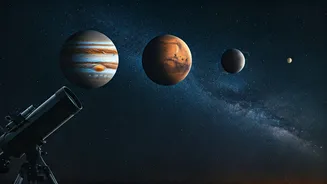
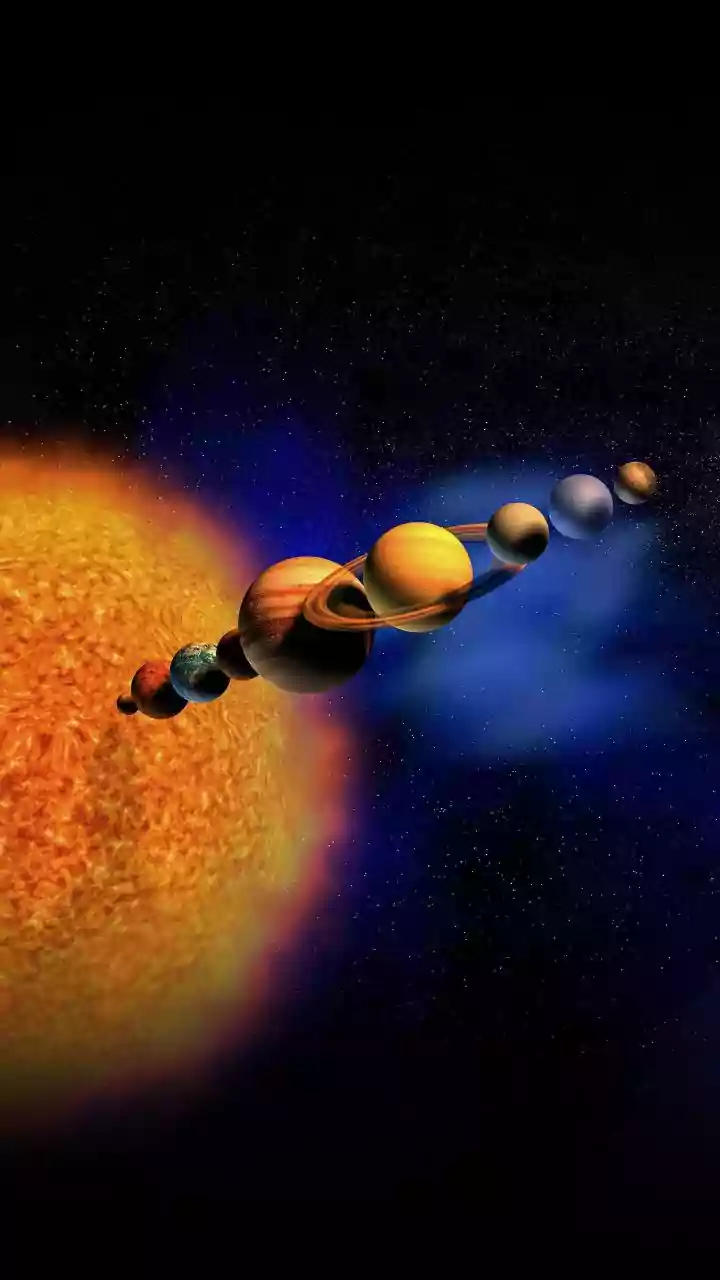
This solstice, the sky is putting on a spectacular show. Start by looking for the most recognisable winter constellation: Orion, the Hunter. You can't miss his famous three-star belt. Follow the line of the belt downwards to find Sirius in the constellation Canis Major, the brightest star in our night sky. Look above Orion for the V-shaped face of Taurus, the Bull, with its bright, reddish eye—the star Aldebaran. Nearby, you’ll find a stunning, hazy patch of light. This is the Pleiades, also known as the Seven Sisters or Krittika Nakshatra. While it looks like a small cloud to the naked eye, even a simple pair of binoculars will reveal dozens of sparkling blue-white stars. Planets like Jupiter and Saturn are often visible as bright, steady 'stars' that don't twinkle; check a stargazing app to confirm their position on solstice night.
Catch a Glimpse of Shooting Stars
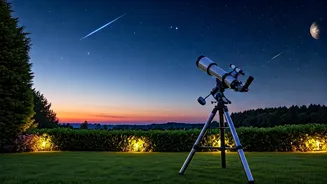
Adding a little extra magic to the solstice period is the Ursid meteor shower. While not as dramatic as the Geminids earlier in December, the Ursids peak right around the solstice. These meteors appear to radiate from near the star Polaris (the North Star) in the constellation Ursa Minor (the Little Dipper). The Ursids are a relatively sparse shower, producing about 5-10 meteors per hour in perfect conditions. But on a long, dark solstice night, your chances of spotting a few of these fleeting streaks of light are higher. It’s a quiet, patient hunt, but the reward of seeing a shooting star on the longest night of the year is well worth it.
Tips for the Perfect Viewing Experience
To truly enjoy the celestial display, preparation is key. First, escape the city lights. Light pollution is the biggest enemy of stargazing. Head to a rural area, a hilltop, a beach, or even a dark park on the outskirts of your city. Places like the Spiti Valley, Ladakh, Coorg, or the Rann of Kutch are famous for their dark skies, but any spot with minimal artificial light will dramatically improve your view. Second, give your eyes time to adjust. It takes about 20-30 minutes for your pupils to fully dilate and see faint starlight. Avoid looking at your phone screen, as its bright light will reset your night vision. If you need a light, use a red-light torch. Finally, dress warmly. Winter nights in India can get surprisingly chilly, especially when you're sitting still. Grab a blanket, a flask of hot chai, and get comfortable.
Using Apps and Simple Gear
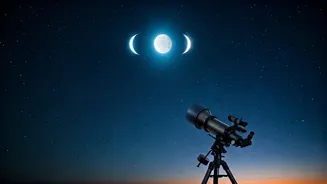
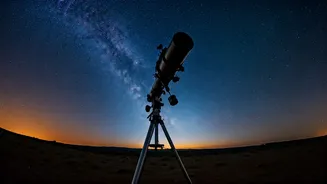
You don't need a professional telescope to enhance your experience. A good pair of binoculars can be a game-changer, revealing the cratered surface of the Moon, the cluster of stars in the Pleiades, and even the four largest moons of Jupiter, which look like tiny pinpricks of light flanking the bright planet. For navigating the sky, technology is your friend. Download a stargazing app like Stellarium, SkyView, or Star Walk. Simply point your phone at the sky, and the app will identify constellations, stars, and planets in real-time. It’s like having a personal astronomer in your pocket, making it easy to find and appreciate the wonders above.