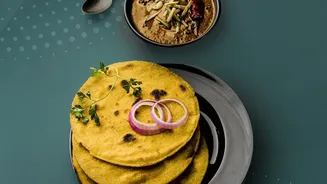


That small stack of leftover rotis from dinner is a familiar sight in most Indian kitchens. Once destined for a simple reheat, they are now at the heart of a creative culinary movement in urban homes. But what’s driving this change?
A Modern Twist on an Old Tradition
The practice of not
wasting food is deeply ingrained in Indian culture. For generations, households have found ways to repurpose leftovers. This new trend, however, is less about grim obligation and more about creative reinvention. While Indian households still waste a significant amount of food annually, there is a growing consciousness, especially among urban dwellers, to be more sustainable. Transforming yesterday's rotis into today's breakfast or snack is a practical and satisfying way to reduce kitchen waste, aligning a traditional value with a modern sense of responsibility.
The Ultimate Hack for Busy Lives
In the fast-paced life of urban India, time is a precious commodity. For working professionals, students, and busy parents, spending hours cooking from scratch every day is a luxury. Leftover rotis offer a head start. They are a ready-made base that can be quickly transformed into a filling meal. Dishes like roti upma, a savoury breakfast scramble, or a quick roll stuffed with leftover sabzi can be prepared in minutes. This convenience factor is a major driver of the trend, providing a quick, homemade, and satisfying alternative to packaged snacks or expensive takeaways.
A Canvas for Culinary Creativity
The modern Indian home cook is more experimental than ever, often inspired by global food trends and social media. The humble roti has become a surprisingly versatile canvas for this creativity. People are moving beyond traditional uses and crafting innovative fusion dishes. Leftover rotis are being sliced into ribbons to make 'roti noodles' for a quick stir-fry, cut into triangles and baked into crispy 'roti chips' to serve with dips, and even used as a base for a 'roti pizza' or lasagna. These inventive recipes don't feel like eating leftovers; they feel like creating something entirely new and exciting.
Unexpected Health Benefits
Interestingly, some experts suggest that stale or leftover rotis may offer unique health advantages over fresh ones. As rotis cool, some of their starch becomes 'resistant starch', which is beneficial for gut health and can help in managing blood sugar levels. Stale rotis are also said to be lower in calories and easier to digest. While they should be stored properly and consumed within a day, this has added a new, health-conscious dimension to the trend. It's a guilt-free indulgence that is not just resourceful but also potentially better for you.
From Savoury Snacks to Sweet Treats
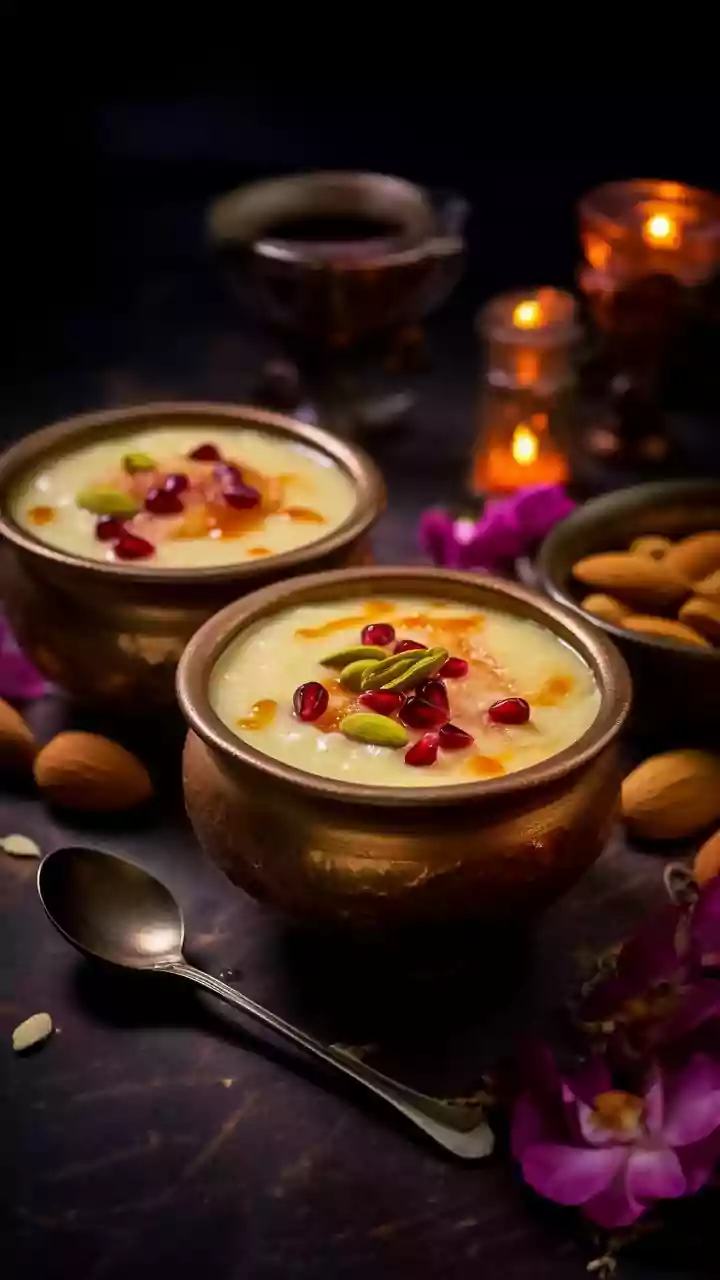
The creativity doesn't stop at savoury dishes. Leftover rotis are also being used to make simple, comforting desserts. A classic in many households involves crumbling rotis and simmering them with milk and sugar or jaggery to create a sweet, porridge-like dish. Another popular preparation is 'roti churma' or ladoos, where crumbled rotis are mixed with ghee, jaggery, and nuts to form delicious sweet balls. These recipes are often linked to childhood memories, evoking a sense of nostalgia while providing a quick and easy way to satisfy a sweet craving without any special ingredients.