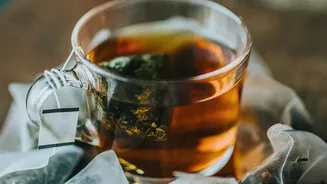




It’s a familiar ritual: the impatient little press of the tea bag against the side of the mug with a spoon. We do it to get every last drop, but this common habit might be the single biggest mistake standing between you and a perfect cup of tea.
The Logic Behind the Squeeze
Let’s
be honest, we all have our reasons for squeezing. Maybe you’re in a hurry and want to speed up the infusion. Perhaps you believe it wrings out a more concentrated, stronger flavour, giving you a more robust brew. Or maybe it’s just a neat way to prevent the soggy bag from dripping on its way to the bin. The intention is to get more flavour into the cup, but the result is often the exact opposite of what you’re aiming for. Instead of making the tea stronger in a good way, squeezing it introduces a harshness that ruins the delicate balance of the brew.
The Science of Bitterness: Meet Tannins
The culprit behind the bitterness is a group of naturally occurring chemical compounds called tannins. Found in many plants, including the Camellia sinensis tea plant, tannins are responsible for the astringent, slightly dry sensation and bitterness in tea, coffee, and even red wine. During a normal steep, the desirable, aromatic, and flavourful compounds infuse into the hot water first. Most of the more aggressive tannins, however, are locked within the tea leaves. When you squeeze the bag, you’re physically forcing these concentrated tannins out of the leaves and into your mug. Tea experts explain that this action releases excess tannic acids, which is what creates that unpleasantly bitter and harsh taste.
What 'Cleaner Flavour' Really Means
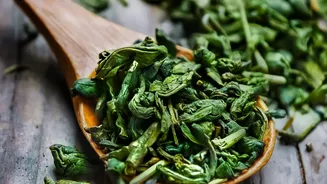
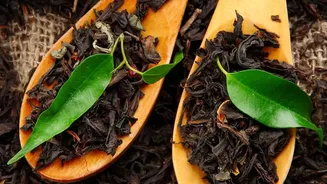
The headline's promise of a 'cleaner flavour' refers to a taste that is free from this overpowering astringency. A properly brewed cup of tea should allow its intended flavour profile to shine, whether that’s the malty depth of a black tea, the grassy notes of a green tea, or the floral hints in an herbal blend. When tannins dominate, they mask these subtleties, resulting in a one-dimensional, harsh flavour. A gentle steep, on the other hand, allows for a balanced extraction. The water coaxes out the rich flavours and aromas without drawing out the excessive bitterness. The result is a smoother, more nuanced, and all-around more enjoyable drink. It’s the difference between a loud, shouting flavour and a clear, singing one.
The Art of the Gentle Steep
So, how do you achieve this superior cup? The secret is patience. First, use the right water temperature. Boiling water is great for most black and herbal teas, but it will scorch delicate green teas, which do better with water that has cooled for a minute or two (around 80°C). Next, pay attention to steeping time. Most black teas are perfect after 3 to 5 minutes, while green teas need a shorter steep of only 2 to 3 minutes to avoid bitterness. When the time is up, simply lift the tea bag out of the water. Let it drip for a moment, and then discard it. No squeezing, no pressing. Just a simple, gentle removal is all that’s needed to preserve the tea's pure flavour.
Does This Rule Apply to All Teas?
Yes, this principle generally holds true for all teas derived from the tea plant—black, green, white, and oolong—as they all contain tannins. However, the impact is most noticeable with black and green teas. Herbal 'teas' or tisanes (like mint, chamomile, or ginger) don't contain leaves from the Camellia sinensis plant and are typically free of tannins. You can steep them for much longer, and squeezing them is less likely to result in bitterness, though it's still an unnecessary step. For any true tea, however, resisting the urge to squeeze is a simple change that yields a dramatically better result. Over-steeping will also release excess tannins, so even without a squeeze, leaving the bag in for too long will lead to a bitter cup.