



The Protein Puzzle: More Than Just Grams
When you lift weights, you create microscopic tears in your muscle fibres. The process of repairing these tears is what makes muscles grow bigger and stronger, a process called muscle protein synthesis. Protein, made up of smaller units called amino acids,
provides the essential building blocks for this repair job. There are 20 amino acids, but nine of them are considered 'essential' because our bodies can't produce them. We must get these nine essential amino acids from our diet. Animal proteins are 'complete', meaning they contain all nine in sufficient amounts. Most plant proteins, on the other hand, are 'incomplete', meaning they are low in one or more of these essential amino acids. This is where the concern for vegetarians often begins, but it's also where smart nutrition provides a simple solution.
The Power of Protein Combining
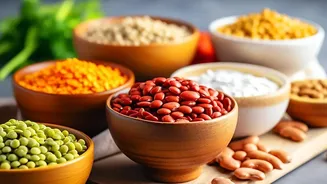
The strategy to overcome this is called protein combining or complementing. It’s the simple idea of pairing different plant foods to ensure you get all nine essential amino acids. For example, grains like rice and wheat are typically low in the amino acid lysine but high in methionine. Legumes, such as dal, chickpeas, and beans, are the opposite – high in lysine but low in methionine. When you eat them together, their amino acid profiles complement each other, creating a complete protein package that your body can use effectively for muscle repair. This is why traditional Indian meals like dal with rice or roti are not just comforting, but also nutritionally brilliant for muscle building.
Debunking a Decades-Old Myth
For a long time, it was believed that these complementary proteins had to be eaten in the same meal to be effective. This created a lot of stress and overly complicated meal planning for vegetarians. However, modern nutrition science has shown this to be a myth. Our bodies are smarter than that; they maintain a short-term 'pool' of amino acids drawn from the various foods we eat throughout the day. This means as long as you eat a varied diet including different plant protein sources over the course of a day, your body will have all the necessary building blocks for muscle synthesis. So, if you have dal for lunch and whole-grain roti for dinner, your body can combine the amino acids from both meals. The key is variety throughout the day, not a perfect combination in every single bite.
Your Go-To Vegetarian Power Combos
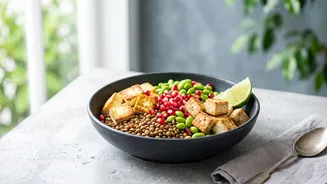
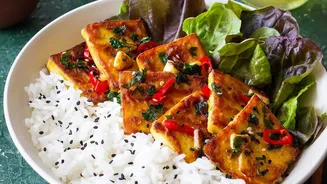
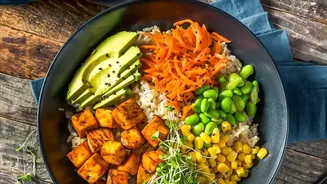
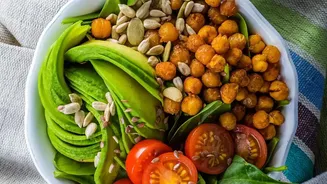
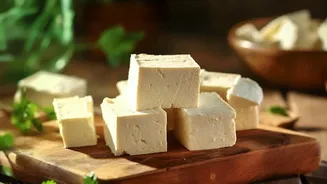
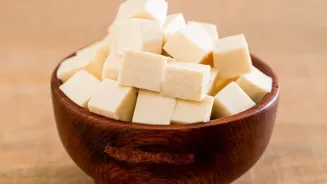
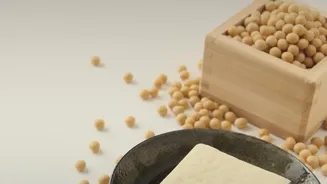
Putting this into practice is easy and likely something you already do. Classic Indian vegetarian cuisine is filled with powerful protein combinations. Think beyond just dal and rice. Rajma with rice, hummus (made from chickpeas and sesame paste) with pita bread, and peanut butter on whole-wheat toast are all excellent examples. You can also combine legumes with nuts and seeds. Adding a handful of pumpkin seeds to a bean salad or walnuts to your morning oatmeal enhances the overall amino acid profile. For those looking for convenience, many vegetarian staples like paneer, Greek yoghurt, tofu, and other soy products offer high-quality protein to anchor your meals. Some plant foods, like quinoa and soy, are actually complete proteins on their own, containing all nine essential amino acids.