



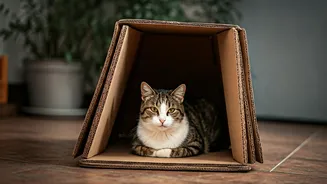




The Rise of Kitty Condos
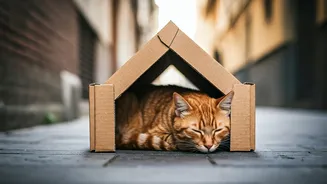
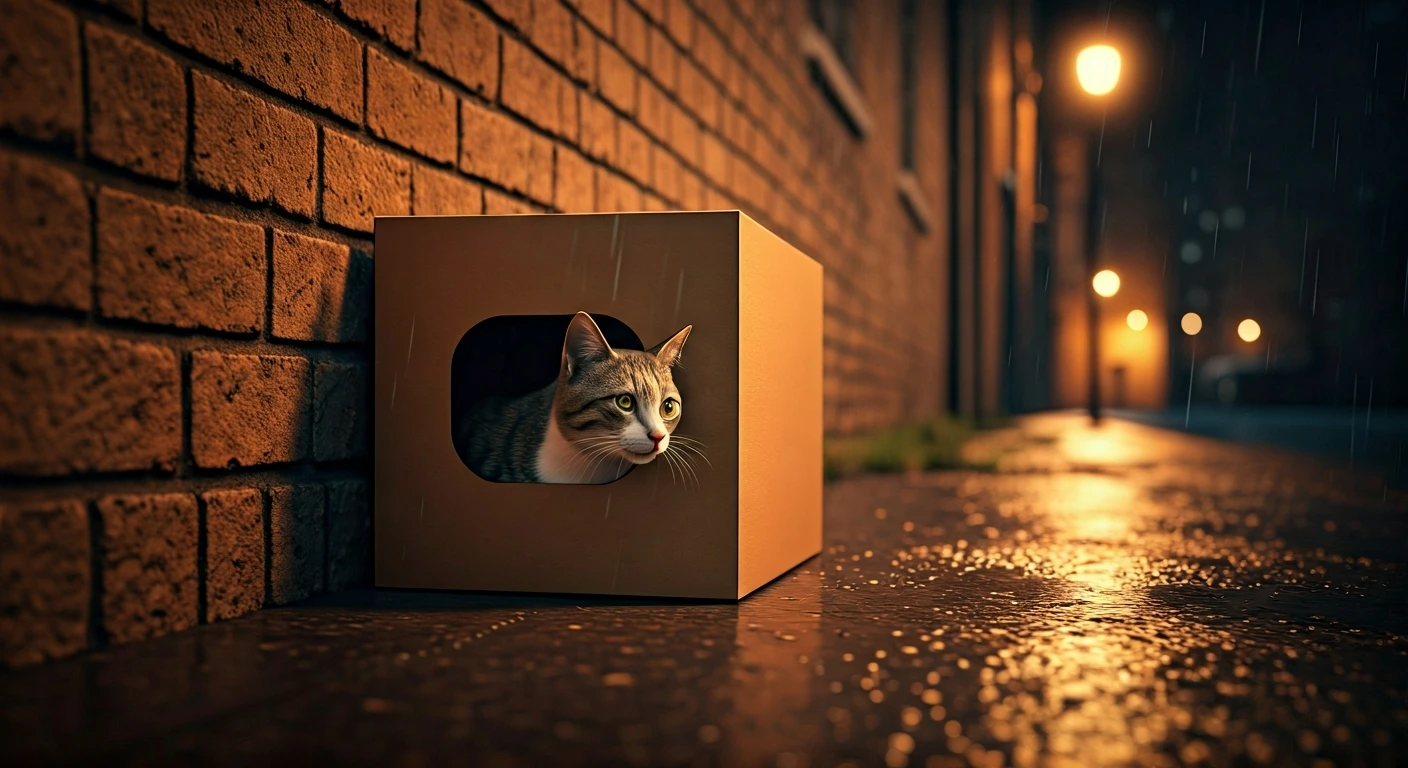
Across cities like Mumbai, Bengaluru, Delhi, and Pune, a heartwarming trend is taking shape. Citizens are building and placing simple, effective shelters for stray and community cats. Made from readily available materials like discarded cardboard boxes,
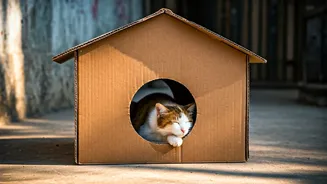
waterproofed with plastic sheets, and often lined with old towels or newspapers for warmth, these 'kitty condos' are becoming a common sight. They appear in quiet alleyways, under staircases of apartment buildings, and in leafy corners of public parks. This surge isn't an official, city-led initiative. It's a decentralized, citizen-powered movement, fuelled by compassion and amplified by social media, where photos of snoozing cats in their new homes are shared with pride.
Meet the DIY Architects
So, who are the people behind this? They are students, working professionals, homemakers, and retirees. They are members of Resident Welfare Associations (RWAs) who have shifted from seeing strays as a nuisance to viewing them as part of the community. Their motivation is simple and powerful: a desire to provide a basic level of comfort to vulnerable animals, especially during India's harsh monsoons and cold winters. For many, it starts with leaving out a bowl of water or some food. Building a shelter feels like the logical next step. It’s a tangible act of kindness in a world that can often feel indifferent, providing a sense of agency and direct impact.
More Than Just a Box
These cardboard homes serve a purpose far greater than just shelter from the elements. They create a designated feeding station, which helps keep public areas cleaner and more organised. By encouraging cats to congregate in a specific spot, it becomes easier for animal lovers and caregivers to monitor their health, identify new arrivals, and spot injuries or illnesses early. Most importantly, this trust and routine are crucial for implementing Trap-Neuter-Return (TNR) programs. It is far easier to humanely trap a cat for sterilisation when it is familiar with a feeding location and the caregiver, making these simple boxes a vital tool in long-term, humane population control.
A Vet's-Eye View
While overwhelmingly positive, animal welfare experts offer a nuanced perspective. They applaud the rise in community compassion and engagement, noting that any form of shelter is better than none. Dr. Aditi Sharma, a veterinarian who works with a local NGO in Mumbai, says, "These shelters are fantastic first-aid. They show that people care, and that's the first step." However, she also adds a note of caution. "They are a temporary fix, not a permanent solution. Cardboard can get damp and harbour fleas or mould if not maintained. It’s important for caregivers to replace them regularly and keep the area clean to prevent hygiene issues or territorial fights among cats." The consensus is that while these shelters are a wonderful stopgap, they highlight the need for more robust, state-supported animal welfare infrastructure.
From Cardboard to Community Care
Ultimately, the surge in cardboard cat houses is a story about more than just cats. It's a powerful symbol of evolving urban attitudes in India. It signifies a shift towards coexistence and collective responsibility for the non-human residents of our cities. This trend demonstrates that citizens are no longer waiting for authorities to solve every problem; they are willing to roll up their sleeves and contribute in small but meaningful ways. Each box is a statement of empathy, transforming a simple piece of cardboard into a beacon of hope and a cornerstone for a more compassionate community.