



More Than Just Pretty Plants
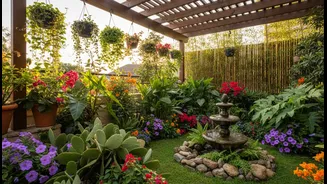
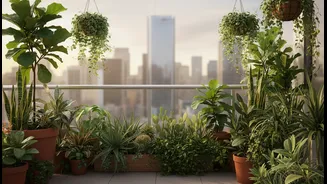
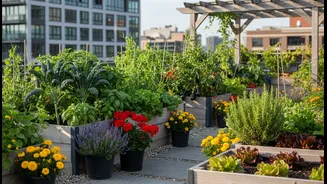
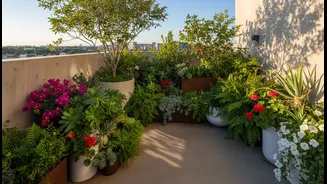
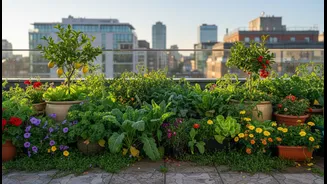
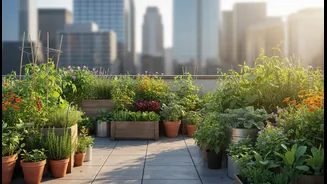
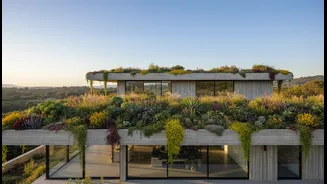
Terrace gardening is the practice of growing plants, from flowers and herbs to vegetables, on the rooftops, terraces, or balconies of buildings. In densely populated cities where ground space is a luxury, this approach turns unused areas into productive
and beautiful green zones. It's a quiet revolution taking root across Indian homes, offering a practical solution to the lack of green space and a way to reconnect with nature amidst the urban sprawl. Beyond aesthetics, creating a garden in the sky is about cultivating a more sustainable and comfortable lifestyle, one pot at a time.
A Natural Air Conditioner
One of the most significant benefits of a terrace garden in India's climate is its powerful cooling effect. Concrete and asphalt in cities absorb and retain solar radiation, creating what is known as the 'urban heat island' effect, making cities significantly warmer than surrounding rural areas. A layer of vegetation on a rooftop acts as a natural insulator. Through a process called evapotranspiration, plants release water vapor, which cools the surrounding air. Studies have shown that a green roof can be substantially cooler than a conventional roof, which can translate into lower indoor temperatures and reduced reliance on air conditioning. This not only cuts down on electricity bills but also lessens the building's overall carbon footprint.
A Boost for Your Well-being
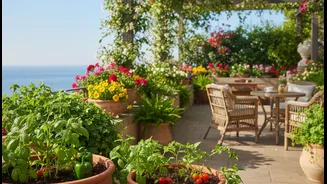
The benefits of gardening extend far beyond the physical. Engaging with plants has been shown to have therapeutic effects, reducing stress, anxiety, and improving overall mood. The simple act of tending to plants can be a form of mindfulness, providing a much-needed break from screens and daily pressures. A terrace garden becomes a personal retreat, a quiet space to relax and recharge. It provides a daily connection to nature, which can enhance mental clarity and promote a sense of accomplishment. Furthermore, these green spaces can attract birds and pollinators, adding to the biodiversity of the urban environment and enriching daily life.
Getting Started: The First Steps
Starting a terrace garden is easier than you might think. First, assess your space. Before adding any weight, it's wise to consult a structural engineer to ensure your terrace can handle the load of pots, soil, and water. Observe how much sunlight different parts of your terrace receive throughout the day, as this will determine which plants will thrive. Rooftops can also be very windy, so you might need to install a trellis or choose low-growing, sturdy plants. Finally, ensure you have easy access to water, as container plants, especially on a hot and windy terrace, require regular watering.
Choosing the Right Plants and Soil
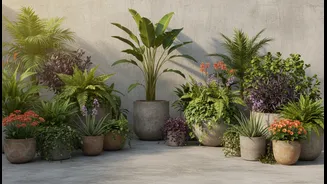
For beginners, it's best to start with low-maintenance plants. Herbs are a great choice; varieties like tulsi (holy basil), mint, coriander, and lemongrass grow quickly in small pots and are used daily in Indian kitchens. For vegetables, tomatoes, chillies, spinach, and brinjal are rewarding and well-suited to our climate. Flowering plants like marigolds, bougainvillea, and hibiscus add vibrant colour and are tolerant of Indian summers. It's crucial not to use regular garden soil, which is too heavy and compacts easily in pots. Instead, opt for a lightweight potting mix containing cocopeat, compost, and perlite, which ensures good drainage and aeration for healthy roots.
Simple Maintenance for a Thriving Garden
Maintaining your green oasis doesn't have to be a chore. The most important task is watering. Check the soil moisture daily, especially in summer, by sticking your finger an inch or two into the soil. Water thoroughly when the top layer feels dry. To keep your plants productive, feed them every few weeks with an organic liquid fertilizer or by adding a layer of compost. Regularly remove any yellowing leaves and weeds to keep the plants healthy and the pots tidy. Starting small with just a few pots allows you to learn as you go without feeling overwhelmed.