






The New Weekend Pilgrimage
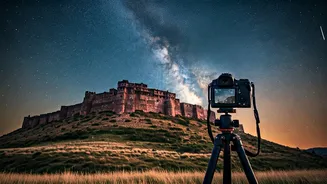
Across India, particularly in the fort-studded landscapes of Maharashtra and Rajasthan, a new kind of weekend ritual is taking hold. Young urbanites from cities like Pune, Mumbai, and Jaipur are swapping DJ nights for starry nights. Armed with DSLRs,
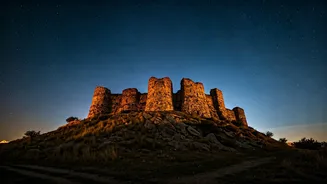
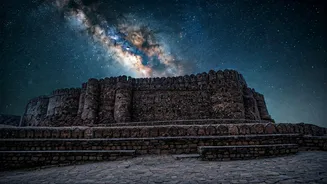
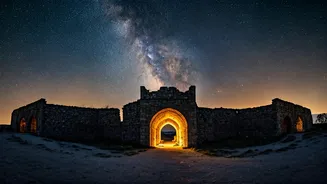
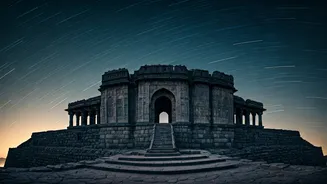
tripods, and a sense of adventure, they are heading to ancient hill forts after sunset. Their goal? To capture the magic of the night sky through long-exposure photography, a technique that turns darkness into a canvas of swirling stars and ethereal light trails. This isn't just a fleeting hobby; it's a growing cultural phenomenon, a modern pilgrimage that blends history, technology, and a deep-seated desire to escape the confines of the concrete jungle.
More Than Just a Photograph
While the stunning images are the ultimate prize, the appeal of this trend runs much deeper than just getting the perfect shot for Instagram. For many, it's an act of rebellion against the monotony of urban life. The journey often involves a challenging trek in the dark, navigating rugged paths with only a torch for guidance. This physical exertion, combined with the profound silence of the night atop a historic structure, creates a powerful, meditative experience. It's a chance to disconnect from digital noise and reconnect with something tangible and ancient. The photograph becomes a trophy, not just of technical skill, but of the entire adventure: the climb, the cold, the camaraderie, and the quiet awe of watching the cosmos unfold.
A Canvas of Stars and Stone
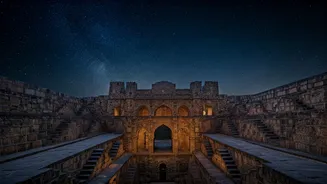
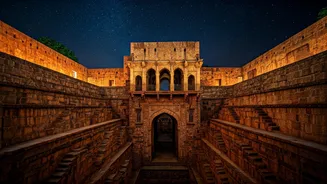
The choice of hill forts is no accident. These locations, often perched high above the surrounding plains, offer unparalleled views of the night sky, free from the light pollution that blankets cities. The Sahyadri range in Maharashtra, with its dense cluster of forts like Rajgad, Torna, and Lohagad, has become a hotspot for this activity. Long-exposure photography works by keeping the camera's shutter open for an extended period—from 30 seconds to several minutes or even hours. This allows the sensor to capture faint light, making stars appear brighter and revealing their movement across the sky as breathtaking trails. Photographers also 'paint' with light, using torches or mobile phone screens to illuminate the fort's ancient walls, creating dramatic, otherworldly compositions that merge past and present.
The Fellowship of the Fort
This is rarely a solo pursuit. The inherent challenges and safety considerations of trekking at night mean that most enthusiasts go in groups. Many are organized by professional trekking companies that provide guides and ensure safety protocols are followed. Others are informal gatherings of friends and photography club members. This communal aspect is a huge part of the draw. There's a shared sense of purpose in the silent, focused hours spent setting up shots, waiting for the shutter to close. Knowledge is exchanged, tips are shared, and bonds are forged over flasks of hot chai while waiting for the perfect celestial alignment. It’s a community built on a shared passion for the outdoors and the creative process.
History Through a Modern Lens
Ultimately, this trend represents a fascinating new way for a generation to engage with its heritage. These forts are not just scenic backdrops; they are monuments steeped in history, courage, and strategy. By spending a night within their walls, these young photographers are interacting with history in a deeply personal and immersive way. They are not just tourists; they are temporary custodians, using 21st-century technology to document and reinterpret these spaces. The resulting images, shared widely across social media, do more than just earn 'likes'. They spark curiosity, inspiring a new audience to look at these historical marvels not as dusty relics, but as living, breathing places of adventure and beauty, waiting to be rediscovered after dark.