






The Urban Heat Island Effect
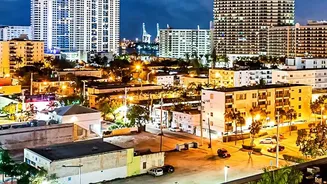
You've probably felt it yourself: a city centre often feels much warmer than a leafy suburb or the countryside. This isn't just your imagination; it's a well-documented phenomenon called the Urban Heat Island (UHI) effect. Materials like concrete, asphalt,
and steel, which are the building blocks of our cities, absorb and retain far more of the sun's heat than natural landscapes like forests and fields. During the day, these surfaces soak up solar radiation, and at night, they slowly release that heat back into the air, keeping the city significantly warmer than its surroundings. This effect can raise temperatures by several degrees, turning already hot days into public health challenges.
Tier 2 Cities: A Perfect Storm
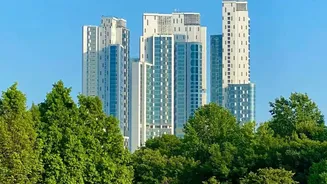
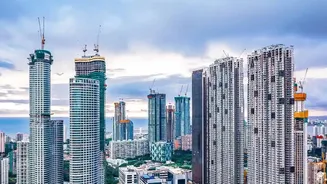
While megacities like Delhi and Mumbai have long been studied as heat islands, the effect is becoming increasingly pronounced in rapidly developing Tier 2 cities such as Jaipur, Lucknow, and Pune. These cities are experiencing unprecedented construction booms, where green spaces are quickly replaced by new residential complexes, shopping malls, and roadways. This rapid, often unplanned urbanisation means that natural cooling systems—like trees, parks, and water bodies—are disappearing just as heat-trapping surfaces multiply. Studies have shown that this expansion has already enhanced warming in Indian cities by 60 percent compared to surrounding non-urban areas, creating a 'perfect storm' for higher local temperatures.
Why Heat Steals Your Sleep
The connection between a hot city and a tired population lies in our biology. To initiate and maintain deep, restorative sleep, your body's core temperature needs to drop slightly. When your bedroom is too warm, your body struggles to shed heat, disrupting this natural process. The result is more time spent tossing and turning, frequent awakenings, and less time in the crucial stages of deep sleep and REM sleep. These are the stages where your body repairs itself and your brain processes memories. Even a small increase in nighttime temperature can significantly reduce sleep quality, leaving you feeling unrested the next morning.
The Vicious Cycle of Fatigue
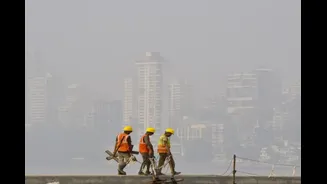
One or two bad nights of sleep are manageable. But when urban heat consistently disrupts sleep over weeks and months, it leads to chronic daily fatigue. This isn't just about feeling a bit sleepy at your desk. Persistent fatigue affects cognitive function, mood, and overall health. Studies on the human impact of urban heat have documented a rise in heat-related symptoms like headaches and fatigue, with a significant number of residents in hotter urban areas reporting sleep disturbances. This creates a vicious cycle: tired residents may rely more on air conditioning, which consumes energy and pumps more hot air out into the urban environment, further contributing to the heat island effect.
Building Cooler, Smarter Cities
The challenge is not to stop development, but to guide it more intelligently. Solutions to mitigate the urban heat island effect are well within reach. Promoting 'blue and green infrastructure'—such as creating more parks, planting trees along streets, and protecting water bodies—is one of the most effective strategies. These nature-based solutions provide shade and cool the air through evapotranspiration. Additionally, using innovative building materials, such as reflective 'cool roofs' and permeable pavements that absorb less heat, can make a significant difference. By integrating these strategies into urban planning, cities can grow without compromising the health and well-being of their residents.