




Imagine snipping fresh, fragrant thyme from your own windowsill to elevate a simple roast or soup. This hardy, low-maintenance herb is the perfect starting point for any aspiring home gardener, promising to transform your daily cooking.
Why Thyme Is a Beginner's Best Friend
Thyme is one of
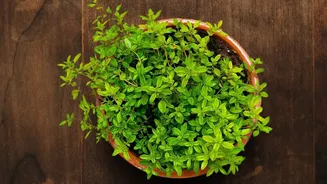
the most forgiving and versatile herbs you can grow. Native to the Mediterranean, it is famously drought-tolerant and thrives on a bit of neglect, making it ideal for busy individuals or those new to gardening. Unlike more delicate herbs, thyme is resilient and doesn't require rich soil or constant feeding; in fact, its flavour is often more intense in less-than-perfect soil. It grows well in containers on a sunny windowsill, balcony, or patio, making it accessible even without a garden. Plus, this perennial herb often comes back year after year, providing a continuous supply of aromatic leaves for your kitchen.
Choosing the Right Thyme Variety
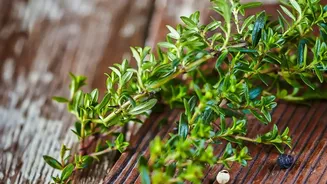
While there are many types of thyme, a few stand out for their culinary excellence. Common Thyme (Thymus vulgaris) is the classic choice, known for its earthy, peppery flavour that's essential in bouquet garni and stews. French Thyme is a variety of this, celebrated for its highly concentrated flavour that holds up well in slow-cooked dishes. For a brighter note, Lemon Thyme (Thymus citriodorus) offers a delightful citrusy twist perfect for chicken, fish, and even cocktails. English and German Thyme are also reliable, hardy varieties ideal for everyday cooking. For container gardening, upright varieties are generally easier to harvest than the low-growing 'creeping' types, which are better suited for ground cover.
Your Simple Setup: Sun, Soil, and Pot
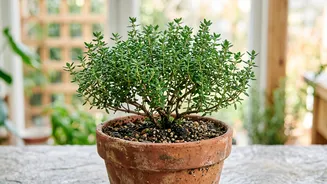
Thyme has three basic needs: lots of sun, well-draining soil, and good air circulation. Aim for a spot that receives at least six hours of direct sunlight daily, like a south- or west-facing window. The most common mistake when growing thyme is overwatering, which can lead to root rot. To prevent this, choose a pot with excellent drainage holes—a terracotta pot is a great option as it allows the soil to dry out between waterings. Use a gritty, fast-draining potting mix. A cactus or succulent mix works well, or you can create your own by blending standard potting soil with perlite or coarse sand. Avoid soil mixes labeled 'moisture-retaining'.
Planting, Watering, and Care
While you can grow thyme from seed, it's often easier for beginners to start with a small plant from a nursery. When planting, ensure the pot is at least 6-8 inches deep to give roots space. Water the plant thoroughly after planting, then adopt a 'less is more' approach. Allow the soil to dry out completely before watering again. A simple test is to poke your finger about an inch into the soil; if it's dry, it's time to water. Thyme doesn't require much fertilizer, which can actually dilute its flavour. Regular pruning is the best way to encourage bushy, healthy growth and prevent the plant from becoming overly woody.
Harvesting for Maximum Flavour
Regular harvesting is key to a productive thyme plant. You can start snipping sprigs as soon as the plant is established and has plenty of stems. For the most potent flavour, harvest in the morning after the dew has dried but before the sun gets too hot, as this is when the essential oils are at their peak. Use clean scissors to cut the top two to three inches of the soft, green stems, just above a set of leaves. This encourages the plant to branch out and become fuller. Avoid cutting into the tough, woody base of the plant. Try not to remove more than one third of the plant at a time to avoid causing stress.
Bringing Thyme into Your Kitchen
The subtle, earthy flavour of fresh thyme is a workhorse in the kitchen, complementing everything from roasted meats and vegetables to soups and eggs. Unlike some herbs, thyme stands up well to long cooking times, making it perfect for stews, sauces, and roasts. You can add whole sprigs to a dish and remove the woody stem before serving. For a quick flavour boost, strip the tiny leaves from the stem and sprinkle them into scrambled eggs, onto roasted carrots, or into salad dressings. You can also create a simple herb-infused butter or oil to add a touch of gourmet flavour to any meal.