


Why Monsoon Paw Care is Crucial
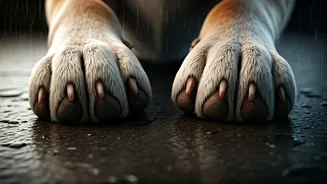
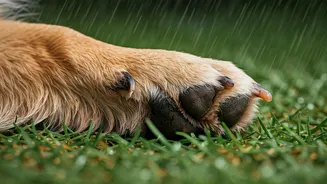
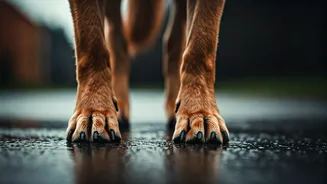
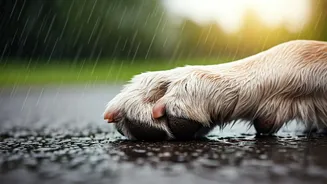
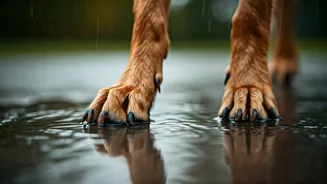
The simple joy of a walk in the rain can come with a hidden cost for your dog. Puddles and wet grass are breeding grounds for bacteria and fungi. When your dog's paws remain damp after a walk, the moisture trapped between their toes creates a perfect
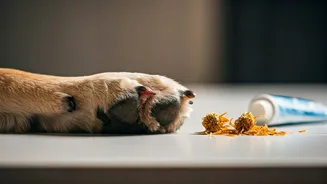
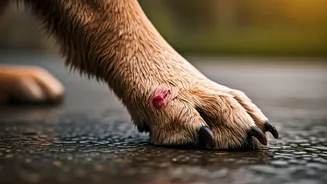
warm, dark environment for infections to thrive. This can lead to a painful condition called pododermatitis, an inflammation of the paws, causing redness, swelling, and constant licking. Furthermore, stagnant water can harbour dangerous bacteria and parasites, which your dog can ingest while licking their paws. A consistent five-minute cleaning routine after every walk is one of the most effective ways to prevent these monsoon-related health issues.
Your Post-Walk Cleaning Station
Preparation is key to a hassle-free cleanup. Before the monsoon fully sets in, create a dedicated cleaning area near your entrance. This simple setup will prevent your dog from tracking mud and germs throughout the house and make the cleaning process quick and efficient. Keep a 'post-walk clean-up' kit ready by the door. Your kit should include a highly absorbent microfibre towel, a soft brush for removing caked-on mud, and your chosen cleaning solution. Having everything in one place turns a potentially messy chore into a simple, repeatable routine that both you and your dog can get used to.
Step-by-Step Cleaning and Disinfecting
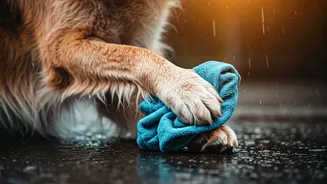
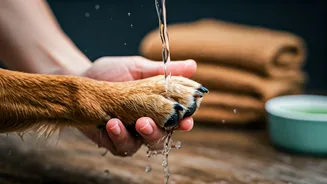
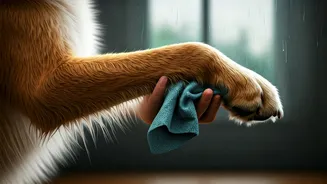
Once you return from a walk, guide your dog to your cleaning station. First, use a soft towel to do an initial wipe-down and remove the worst of the mud and water. Next, inspect the paws for any foreign objects like pebbles, thorns, or cuts. Trim any long hair between the paw pads, as this fur can trap moisture and debris, increasing the risk of infection. For cleaning, a simple rinse with lukewarm water is often effective for light dirt. For a more thorough clean, use a pet-safe antiseptic solution mixed with water. Gently wash each paw, making sure to clean between the toes. Avoid using human soaps or sanitizers, which can contain alcohol and other chemicals that are harsh and drying for your dog's skin.
Safe and Effective Cleaning Solutions
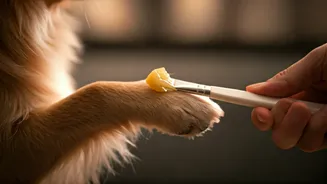
You don't need harsh chemicals to keep your dog's paws clean. In fact, many effective solutions are gentle and can even be made at home. A diluted solution of apple cider vinegar (one part vinegar to two parts water) acts as a natural antibacterial and antifungal rinse. Allow your dog's paws to soak for a couple of minutes before rinsing and drying. Pet-specific paw cleansers, often available as foams or no-rinse sprays, are also excellent options. These are formulated to be pH-balanced for a dog's skin and are safe if licked. Look for products with soothing ingredients like aloe vera. Always avoid products containing harsh detergents or artificial fragrances.
The Critical Importance of Drying
Cleaning is only half the battle; thorough drying is just as important, if not more so. Any lingering moisture between the paw pads can quickly undo all your cleaning efforts by encouraging fungal growth, leading to yeast infections. After washing, use a clean, highly absorbent towel to pat each paw dry. Pay special attention to the area between each toe. For long-haired breeds, you might consider using a hairdryer on its lowest heat and speed setting to ensure the area is completely dry. Never skip this step, as it's your final defence against the dampness that fuels infections.
When to See a Veterinarian
A good paw care routine can prevent most issues, but it's important to know the signs of trouble. Keep an eye on your dog's paws and behaviour. If you notice persistent licking or chewing of the paws, redness, swelling, sores, a bad odour, or any signs of pain or limping, it's time to consult your veterinarian. These could be signs of an infection or another underlying issue that requires professional medical attention. Early intervention can prevent a minor irritation from becoming a serious and painful problem.