


1. Master the Art of Meal Prep
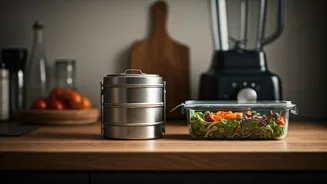
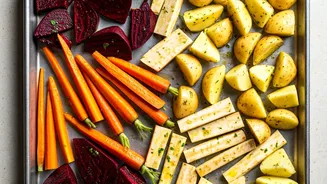
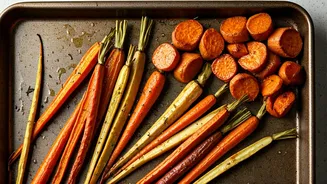
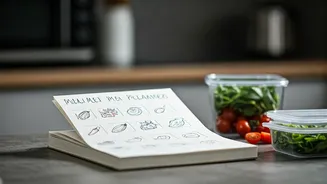
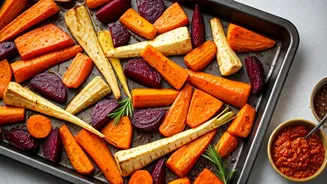
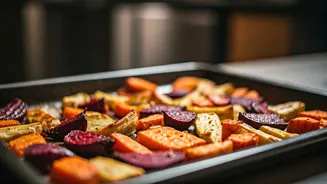
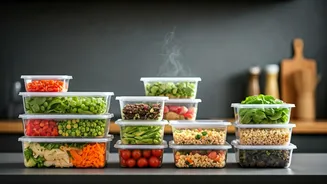
Meal prepping sounds intimidating, but it's a student's best friend. It doesn't mean you have to cook seven different meals on a Sunday. Start simple. Boil a large batch of potatoes, chickpeas, or kidney beans that can be used in different dishes through
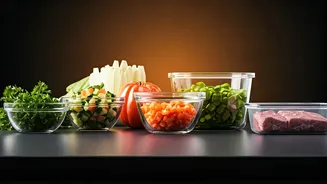
the week. Make a big container of tadka (tempered spices in oil or ghee) to quickly add flavour to dal or vegetables. You can even chop onions, tomatoes, and chillies and store them in an airtight container in the fridge for 2-3 days. This 'Mise en place' (a fancy term for having your ingredients ready) can cut your daily cooking time by more than half.
2. Befriend Your Pressure Cooker
If there's one appliance that’s a superhero in the Indian kitchen, it's the pressure cooker. It's not just for making dal and rice. You can use it to cook vegetables, make a quick pulao, or even boil pasta faster than you could on the stovetop. One-pot meals like a simple vegetable khichdi or a spicy chicken curry can be ready in under 20 minutes from start to finish. It tenderises tougher ingredients quickly, uses less gas, and locks in nutrients. Learning a few basic pressure cooker recipes will be one of the best time-saving investments you make.
3. Embrace One-Pot Wonders
The worst part about cooking isn't always the cooking itself—it's the mountain of dishes afterwards. This is where one-pot meals come to the rescue. Think beyond just khichdi. You can make delicious one-pot pasta by cooking the pasta directly in the sauce. Or try a 'kadai sabzi' where you sauté your onions and tomatoes, add spices, and then throw in your mixed vegetables to cook in one pan. This approach minimises cleanup and streamlines the entire cooking process, making a home-cooked meal feel far less daunting on a busy weeknight.
4. Create Your Own 'Cooking Paste'
The foundation of many Indian dishes is a flavourful base, most often made from ginger, garlic, and onions. Peeling and chopping these every single day is a time-consuming chore. Save yourself the trouble by preparing a large batch of ginger-garlic paste. Simply blend equal parts of peeled ginger and garlic with a little bit of oil or water and store it in the fridge for up to two weeks. You can do the same with an onion-tomato paste. Having these bases ready to go means you can start the actual cooking process immediately.
5. Use Your Freezer Strategically
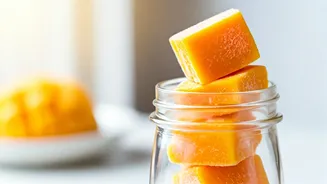
Your freezer is for more than just ice and frozen peas. You can freeze portions of cooked dal or curries for days when you have absolutely no time to cook. Just thaw and reheat. Green peas, corn, and chopped carrots freeze well and can be added directly to pulao, upma, or sabzis without any thawing. You can even make a big batch of paratha or roti dough and freeze it in individual portions. It's like having a ready-to-eat meal service, but one that you created yourself.
6. Elevate Your Instant Noodles
Let's be realistic: instant noodles are a student staple. But you don't have to eat them straight from the packet. You can turn this two-minute snack into a reasonably balanced meal in under five minutes. While the noodles are boiling, toss in some frozen vegetables like corn and peas. Crack an egg into the boiling water to poach it. Once cooked, add a spoonful of peanut butter for a creamy, satay-like flavour, or a dash of soy sauce and some leftover chopped vegetables. It’s still fast, but it’s far more satisfying and nutritious.