







The Core Problem: Body Clock vs. Work Clock
Our bodies are governed by a 24-hour internal clock known as the circadian rhythm, which tells us when to sleep, wake, and eat. This master clock, located in the brain, is primarily influenced by light. However, organs like your stomach, liver, and intestines
have their own 'peripheral' clocks, which are strongly influenced by meal times. For night shift workers, this system is thrown into disarray. You are awake and working when your body is biologically programmed to be resting. This mismatch, or circadian misalignment, means your digestive system, which naturally slows down at night, is not prepared to handle large meals. Eating at 2 a.m. can feel like an ambush to your gut, leading to common issues like bloating, gas, acidity, and discomfort.
The Solution: Daytime-Only Eating
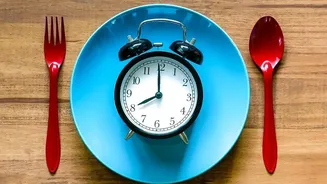
A growing body of research points to a powerful strategy called time-restricted eating (TRE), specifically, eating only during daylight hours. The concept is simple: you consume all your meals and snacks within a consistent window during the day and fast during your night shift and sleep hours. For example, you might eat between 8 a.m. and 6 p.m. and only consume water or herbal tea overnight. This approach helps to realign your gut's peripheral clock with your brain's master clock, even when your work schedule is inverted. Studies have shown that this strategy can prevent the blood sugar spikes associated with nighttime eating and reduce the overall metabolic strain on the body.
Why Daylight Eating Works
Your digestive system is simply not at its best overnight. During the day, your body is primed for digestion, efficiently releasing stomach acid and enzymes to break down food. At night, these processes naturally slow down as the body prepares for rest and repair. When you eat a heavy meal in the middle of the night, the food is not digested as effectively. This can lead to delayed stomach emptying and slower intestinal transit, causing discomfort. By confining your eating to the daytime, you are working with your body's natural rhythms. You provide fuel when your digestive system is most active and allow it to rest and recover when it is meant to, which can significantly alleviate symptoms of indigestion and bloating.
A Practical Plan for Night Shift Workers
Transitioning to a daylight eating schedule requires some planning. The key is to make your pre-shift meal the largest and most substantial one of the day. Have a balanced meal rich in protein, complex carbohydrates, and healthy fats before you head to work. If you must eat during your shift, opt for very light, easily digestible snacks like a piece of fruit, a handful of nuts, or a small cup of soup. Avoid heavy, fried, or spicy foods, which can be difficult to digest and cause heartburn. After your shift, have a small, light meal or snack before you go to sleep to prevent waking up from hunger. Preparing meals and snacks in advance can help you avoid unhealthy choices from vending machines or late-night takeaways.
Other Tips for a Healthy Gut
Beyond meal timing, other habits can support your digestive health. Staying hydrated is crucial; dehydration can worsen fatigue and constipation, so keep a water bottle handy throughout your day and shift. However, try to limit caffeine intake, especially in the hours leading up to your bedtime, as it can disrupt sleep. Managing stress through techniques like deep breathing or meditation can also help, as stress is known to negatively impact digestion. Finally, incorporating regular physical activity, even a brisk walk during your break, can aid digestion and help maintain regular bowel movements.