








The Science of a Cooler Roof
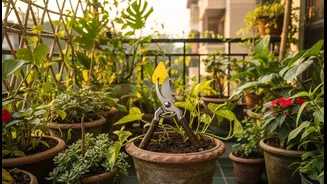
How can a few plants cool down an entire roof? It works in two primary ways. First, the layer of soil and the plants themselves provide shade, acting as a natural insulator and preventing the sun's rays from directly heating the concrete. Second, through
a process called evapotranspiration, plants release water vapor into the air. This process has a significant cooling effect on the immediate surroundings, reducing the roof's surface temperature and, consequently, the temperature inside your home. A green roof can lower surface temperatures dramatically compared to a conventional roof.
1. Periwinkle (Sadabahar)
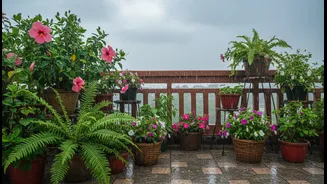
Known for its resilience, Periwinkle, or Sadabahar, is an excellent choice for monsoon gardening. This low-maintenance plant offers continuous, colourful blooms and can tolerate the heavy rains as well as periods of sun. It thrives in well-drained soil and requires at least four to five hours of sunlight to produce abundant flowers. Its hardiness means it can withstand the variable conditions of a rooftop, providing a splash of colour while contributing to the cooling green cover.
2. Marigold (Genda)
Marigolds are a classic for a reason. These bright, cheerful flowers are incredibly hardy and well-suited for monsoon conditions. They are also natural pest repellents, which is a significant advantage during the humid, rainy season when insects are more active. Marigolds bloom profusely and can handle wet conditions, provided their pots have good drainage to prevent waterlogging. Regular removal of spent flowers will encourage even more blooms, keeping your rooftop vibrant all season long.
3. Hibiscus (Gudhal)
For a tropical feel, nothing beats the Hibiscus. These plants love the humidity of the monsoon and produce large, stunning flowers. As sun-loving plants, they are perfect for a rooftop that gets plenty of direct light. While they enjoy moisture, they also require well-draining soil to prevent root rot. Available in a variety of colours, hibiscus shrubs can grow to a substantial size, creating more shade and enhancing the cooling effect of your garden.
4. Creepers and Vines
Climbing plants like Bougainvillea, Jasmine (Mogra), and Money Plant are fantastic for maximising green cover. You can train them to grow on a trellis or along railings, creating a wall of green that provides excellent shade and cooling. Bougainvillea is particularly heat-tolerant and thrives on sunny rooftops. Jasmine will fill the air with a beautiful fragrance, especially after a rain shower, while the easy-to-grow Money Plant can quickly cover a large area, adding to the lushness of your garden.
5. Herbs like Mint and Tulsi
Why not make your garden functional as well as beautiful? Herbs like Mint (Pudina) and Holy Basil (Tulsi) thrive during the monsoon. Mint loves moisture and can spread quickly to create a dense ground cover in its container. Tulsi is a hardy plant that's a staple in many Indian homes and grows well with the onset of the rains. Both contribute to the cooling effect and provide you with fresh herbs for your kitchen.
Essential Monsoon Care Tips
While the rains provide ample water, monsoon gardening has its own challenges. Ensure every pot has drainage holes to let excess water escape. It's also a good idea to elevate your pots slightly off the floor to prevent water from collecting underneath. Since heavy rains can wash away nutrients from the soil, consider feeding your plants with a balanced fertiliser periodically. Finally, the humid conditions can encourage fungal growth, so ensure there is good air circulation between your plants and watch for any signs of trouble.