







The Daily Dinner Dilemma
That end-of-day scramble for a meal is more than just an inconvenience; it’s a symptom of 'decision fatigue'. After making countless choices all day, your brain’s ability to make good decisions dwindles. This is when we are most likely to opt for convenient
but often unhealthy and expensive options. The constant mental load of planning meals on the fly contributes to stress and can lead to unhealthy eating habits. Knowing your meals are planned and ready can eliminate this daily stressor, freeing up mental energy for other things.
Unlock Time, Savings, and Health
Embracing meal planning offers a host of benefits that go far beyond just knowing what you’ll eat. By planning your meals, you can significantly cut down on food waste, as you buy only the ingredients you need. This, in turn, leads to substantial savings on your grocery bills. A well-thought-out plan also promotes healthier eating by giving you control over ingredients and portion sizes, helping you steer clear of impulsive, less nutritious choices. Furthermore, having a plan saves you precious time during the week, both in the kitchen and at the grocery store, which becomes a quick, targeted mission instead of a wandering search for inspiration.
Your First-Week Meal Plan: A Simple Start
Getting started doesn't have to be overwhelming. Begin by dedicating just 30 minutes one day, like a Sunday, to map out your week. First, take stock of what you already have in your pantry, fridge, and freezer. Plan meals that can use these items first. Next, choose a few simple and familiar recipes for the week. You don’t need to cook a different gourmet meal every night. Look for recipes that share ingredients to minimise waste. From this menu, create a detailed shopping list. This simple process is the foundation of effective meal planning.
Batch Cooking: Your Secret Weapon
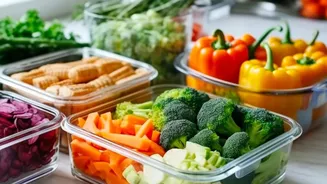
One of the most effective strategies to pair with meal planning is batch cooking or meal prep. This doesn’t necessarily mean cooking every single meal for the week in advance. It can be as simple as preparing components. On your planning day, you could cook a large batch of rice or quinoa, chop all your vegetables for the next few days, or marinate proteins. Having these elements ready to go drastically cuts down on daily cooking time and makes assembling a healthy meal on a busy weeknight almost effortless.
Build a Smart Pantry
A well-stocked pantry is the backbone of successful meal planning. Keep a running inventory of staples like grains (rice, dal, oats), pasta, canned tomatoes, onions, garlic, ginger, and versatile spices. When you know you have these basics on hand, planning meals becomes much easier. You can create an “eat first” bin in your fridge for produce or leftovers that need to be used soon, ensuring they don't get forgotten and wasted. This habit not only prevents waste but also makes your grocery trips more efficient, as you’re mainly shopping for fresh items to complement your staples.
Embrace Flexibility and Leftovers
A meal plan is a guide, not a rigid set of rules. Life happens, and it’s important to build flexibility into your plan. Perhaps you’ll have an impromptu dinner out or won't feel like eating what you had scheduled. That’s perfectly fine. You can swap days around as needed. Also, learn to love your leftovers. Plan for them intentionally; cooking a larger portion of a dish like a curry or stew can provide a delicious and effortless lunch for the next day. This simple trick saves time, reduces cooking, and ensures no good food goes to waste.