






The Comfort Food Contender
When the monsoon arrives, it brings with it a collective yearning for warmth and comfort. Traditionally, this craving has been answered by the sizzle of oil: crispy samosas, spicy bhajis, and greasy pakoras, all washed down with a steaming cup of masala
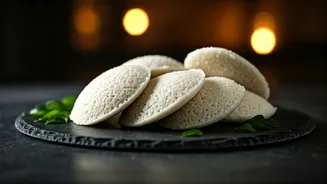
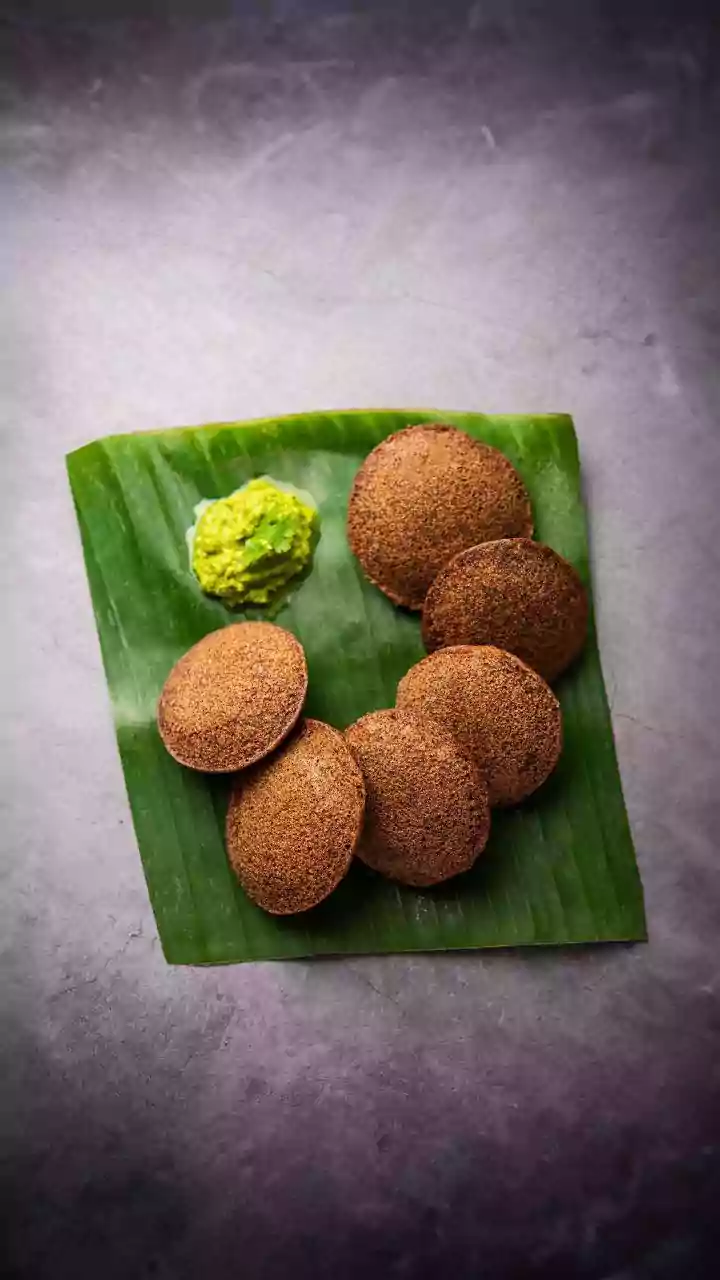
chai. These are the tastes and sounds of an Indian downpour. Yet, a quiet but powerful shift is taking place in our monsoon kitchens and cravings. A lighter, healthier, and arguably more comforting contender is emerging from the steam: the soft idli. Once strictly a breakfast staple from the South, this fermented rice cake is now finding its place as the perfect all-day snack to accompany the pitter-patter of rain, offering a different kind of solace that doesn’t weigh you down.
The Allure of Lightness
So, why idli? And why now? The answer lies in its core nature. Unlike its fried counterparts, the idli is steamed, making it incredibly light and easy to digest. Ayurvedic wisdom, often followed instinctively during seasonal changes, advises against heavy, oily foods during the monsoon when digestion is considered weaker. The idli fits this prescription perfectly. It provides warmth and satisfaction without the lethargy that often follows a plate of fried snacks. Made from a fermented batter of rice and lentils, it's also a powerhouse of nutrition. The fermentation process not only makes it fluffy but also increases the bioavailability of nutrients and introduces probiotics, making it great for gut health—a welcome benefit during a season known for stomach ailments.
The Pursuit of Pillowy Perfection
Not all idlis are created equal, and the monsoon heart is being stolen specifically by the ‘soft’ idli. This isn't just a marketing term; it's the holy grail of idli-making. The quest for that perfect, cloud-like texture is an art. It depends on the right ratio of rice to urad dal, the quality of the ingredients, and, most importantly, the fermentation. A well-fermented batter, full of air pockets, is what gives the idli its signature spongy structure. Home cooks and restaurants alike take immense pride in their methods, sometimes adding a handful of poha (beaten rice) or sago to enhance the softness. When you break a perfect idli, it should yield with almost no resistance, its porous interior ready to soak up whatever delicious accompaniment you pair it with.
More Than Just a Breakfast Item
The idli's recent rise in monsoon popularity is also thanks to its newfound versatility. It has successfully broken free from the confines of the breakfast table. Eateries and home chefs are getting creative, transforming it into a snack for any time of day. Think of plates of button idlis floating in a tangy rasam, or mini idlis tossed in fiery ‘podi’ masala, served in a bowl like popcorn. These 'Idli Fries' or 'Chilli Idlis' offer a textural and flavourful experience that rivals any chat, but with a healthier base. This evolution has made the idli a convenient and exciting option for evening cravings when the rain keeps you indoors.
The Perfect Pair
An idli is rarely a solo act. Its mild, slightly sour taste makes it the perfect canvas for a range of vibrant flavours. The classic combination is, of course, with a warm bowl of sambar and a dollop of fresh coconut chutney. The sambar’s earthy heat and the chutney’s cool creaminess provide a delightful contrast in temperature and taste. Then there’s the ‘gunpowder’ or milagai podi, a coarse, spicy powder mixed with sesame oil or ghee, which adds a fiery kick that’s particularly welcome on a damp, chilly day. These accompaniments elevate the simple idli from a mere snack to a full-fledged sensory experience, a comforting ritual perfect for a rainy afternoon.