


Decoding the IMD's Latest Weather Warnings
Before you pack your bags, it’s crucial to understand the latest alerts. The IMD uses a colour-coded system to communicate the severity of expected weather. A 'Yellow' alert means you should be aware, as conditions might change. An 'Orange' alert signals
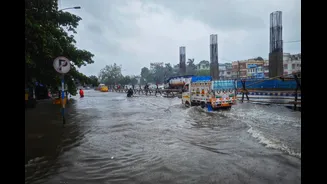
you to be prepared for potentially disruptive heavy to very heavy rainfall. The highest, a 'Red' alert, is a call to take action, as extremely heavy rain could pose a risk to life and property, causing major travel disruptions. For the upcoming weekend, active monsoon conditions are expected to bring heavy to very heavy rainfall across several regions. States including Himachal Pradesh, Uttarakhand, Punjab, Haryana, Delhi, Madhya Pradesh, Chhattisgarh, and parts of Maharashtra are under alert. Mountainous states are particularly vulnerable to landslides and flash floods, while cities may experience significant waterlogging.
Tips for a Safe Road Trip
Driving during the monsoon can be scenic, but it demands extra caution. If your destination is under an orange or red alert, it is wisest to reconsider your trip. For those heading to areas with lighter rainfall, a pre-trip vehicle check is non-negotiable. Ensure your tyres have good tread, your wipers are working perfectly, and your brakes are in top condition. Poor visibility is a major hazard, so keep your headlights on and maintain a safe distance from the vehicle ahead. Avoid driving at night or during the heaviest downpours. Hilly areas like those in Uttarakhand and Himachal Pradesh require extreme care, as the risk of landslides increases significantly after heavy rain. Never attempt to drive through flooded roads or overflowing streams; the depth and current can be deceptive. It's always better to wait for the water to recede or find an alternative, safer route.
Navigating Air and Rail Travel
Heavy rainfall doesn't just affect roads; it can lead to significant delays and cancellations for flights and trains. Intense showers and low visibility can disrupt airport operations, as recently seen in major cities where flights were diverted or delayed. Similarly, waterlogging on tracks or damage to railway lines can halt train services. Before you leave for the airport or railway station, double-check your flight or train status directly with the airline or railway authorities. Build buffer time into your schedule to account for potential traffic jams on the way. It’s also wise to have a backup plan in case of a last-minute cancellation. Keeping your travel documents in a waterproof bag or pouch is a small but crucial step to avoid any damage.
Your Essential Monsoon Travel Checklist
Packing smart can make all the difference between a miserable trip and a manageable one. Your monsoon kit should include a reliable raincoat, an umbrella, and waterproof footwear with good grip. Opt for quick-drying synthetic clothes over cotton or denim, which take a long time to dry once wet. Electronics are vulnerable, so carry a waterproof backpack or use dry bags for your phone, camera, and chargers. A power bank is essential, as power cuts can be common during heavy storms. Also, pack a basic first-aid kit with medications for common ailments like fever and indigestion, along with an insect repellent. Finally, always inform a family member or friend about your itinerary and keep emergency contact numbers handy.
Knowing When to Postpone Your Trip
While the allure of a rainy-day vacation is strong, no trip is worth risking your safety. If the IMD has issued a red alert for your destination, the best course of action is to cancel or postpone. For orange alerts, especially in hilly or flood-prone areas, carefully evaluate the risks. Check your hotel and transport cancellation policies; many providers offer flexibility during severe weather events. If you must cancel, consider exploring safer alternatives that are not under a weather warning. A staycation or a visit to a local museum or gallery can be a relaxing and enjoyable alternative to a high-risk journey. Remember that the mountains and waterfalls will still be there to explore when the weather is safer.