







The Compounded Dangers of Night and Rain
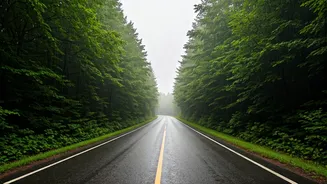
Driving on Indian highways at night often seems appealing due to lighter traffic. However, when heavy showers begin, this perceived advantage evaporates, replaced by a set of dangerous conditions. The primary issue is severely reduced visibility. Heavy
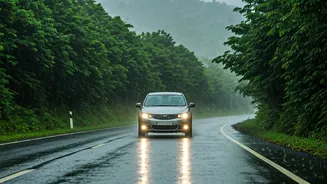
rainfall alone makes it difficult to see, but at night, the problem is magnified by the glare of oncoming headlights reflecting off the wet tarmac, and the struggle to spot potholes, debris, or stray animals on poorly lit stretches. Furthermore, rain after a dry spell can mix with oil and chemical residues on the road, creating an unexpectedly slick surface that drastically reduces tire grip. This combination of poor visibility and slippery roads significantly increases the chances of an accident.
Hydroplaning: Losing Control in an Instant
One of the most terrifying and immediate dangers of driving on wet roads is hydroplaning, also known as aquaplaning. This occurs when a layer of water builds up between your car's tires and the road surface, causing the vehicle to lose traction and essentially skate on the water. When this happens, you can lose control of steering and braking entirely. Driving at high speeds, having worn-out tires with insufficient tread depth, or hitting a large puddle can all trigger hydroplaning. At night, it is almost impossible to judge the depth of standing water, making every puddle a potential threat that could lead to a complete loss of control. If you feel your vehicle begin to hydroplane, experts advise taking your foot off the accelerator immediately and not slamming on the brakes, as this can cause the car to skid.
Hidden Hazards and Regional Risks
Heavy rain conceals a multitude of road hazards that are difficult to spot even in daylight, and nearly impossible at night. Water-filled potholes can cause violent impacts, potentially damaging your suspension or causing a tire to burst. In many areas, especially during the initial powerful showers of the monsoon, road edges can be washed away, or debris like fallen branches can litter the highway. In hilly and mountainous regions, such as the Western Ghats, the risk of landslides and rockfalls increases dramatically during heavy downpours. Similarly, low-lying highways and urban expressways are prone to severe waterlogging, which can stall your vehicle's engine if you attempt to drive through deep water.
A Pre-Journey and On-Road Safety Checklist
If you absolutely cannot avoid travelling, thorough preparation is key. Before you start, ensure your vehicle is monsoon-ready. Check that your tires have adequate tread, your brakes are in excellent condition, and your windshield wipers are new or in top shape. All lights—headlights, taillights, and indicators—must be fully functional to see and be seen. Once on the road, the most important rule is to slow down significantly. This increases your reaction time and reduces the risk of hydroplaning. Maintain at least double the usual following distance from the vehicle ahead, as braking distances are much longer on wet roads. It is also recommended to drive with your low-beam headlights on, even during the day, to improve your visibility to others. Never use high beams in heavy rain, as the light reflects off the raindrops and worsens your own visibility.
When to Stop and What to Do in a Breakdown
There are times when the safest decision is to stop driving altogether. If visibility becomes so poor that you cannot see the edges of the road or vehicles ahead, it's time to pull over. Find a safe spot away from the main roadway, like a designated rest area or a location on higher ground. Avoid parking under trees, which could shed branches or fall during a storm. Once stopped, turn on your hazard lights to ensure other drivers can see your stationary vehicle. If your car breaks down, the first step is to get it to the side of the road if possible. Turn on your hazard lights immediately. It is often safest to remain inside your vehicle with your seatbelt on and call for roadside assistance, as stepping out into traffic in low visibility is extremely risky.