







A Fabric Woven Through History
Damask is not a pattern, but a weaving technique. Originating in China around 300 BCE, it was traditionally made from silk and reserved for royalty. Its name comes from Damascus, the Syrian city that became a major trading hub on the Silk Road, introducing
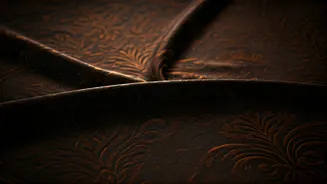
the fabric to Europe in the Middle Ages. Unlike printed fabrics, a damask's pattern is woven directly into the textile using a method that creates a reversible design, with the pattern appearing as a negative image on the back. This process, which combines different weaves to create a contrast between a matte background and a lustrous, slightly raised pattern, results in a thick, durable, and shimmering fabric. For centuries, this complexity made damask a symbol of wealth and status, a textile prized by figures like King Henry VIII.
The Modern Revival
So why is this ancient fabric making a comeback now? The return of damask is part of a larger trend in both fashion and interiors: a renewed appreciation for texture and depth. After years of minimalist dominance, designers and consumers are embracing materials that are rich, tactile, and tell a story. Recent industry events like Paris Déco Off highlighted an unmistakable return to damask, showcasing it as a sophisticated way to add ornament and historical weight to a space. On the SS26 runways, designers like Veronica Beard and Christian Dior featured damask in modern silhouettes, proving its versatility beyond traditional gowns. This new wave of damask is often presented in softer, more fluid constructions and contemporary color palettes, making it feel fresh and relevant.
Bringing Damask into Your Home
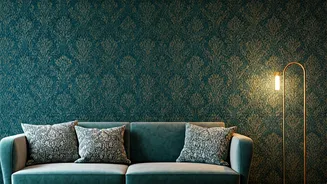
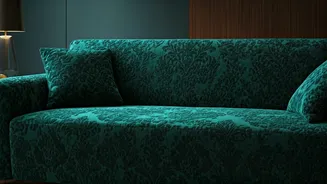
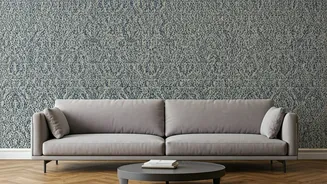
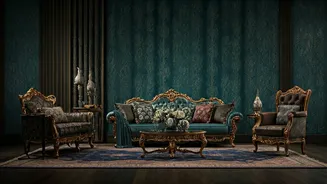
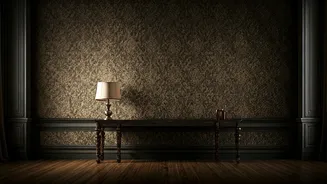
In interior design, damask offers a touch of opulence without feeling ostentatious. Its durability makes it an excellent choice for upholstery on sofas and chairs, where its intricate pattern can become a focal point. For a less permanent commitment, consider using it for curtains, throw pillows, or a statement rug. Today’s damask isn’t just for traditional spaces. In a modern room, a single piece of damask furniture or a bold damask wallpaper can create a powerful contrast with clean lines and neutral colours. The key is balance. Using the fabric sparingly allows its rich texture to shine without overwhelming the room.
How to Wear the Trend
In fashion, damask has shed its purely formal reputation. While still a go-to for stunning evening gowns, the fabric is appearing in more versatile pieces. A damask cropped jacket, trench coat, or a pair of tailored trousers can elevate a simple outfit, adding a touch of luxury to everyday wear. Fashion designers are pairing the ornate textile with utilitarian pieces or using it in unexpected silhouettes to give it a modern edge. Because the fabric itself is a statement, it’s best to keep the rest of the look simple. Pair a damask skirt with a simple top or let a damask dress be the hero piece, complemented by minimal accessories. The fabric's rich texture and visual power instantly add a sense of elegance.