





Choose Your Green Warriors Wisely
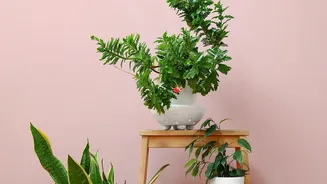
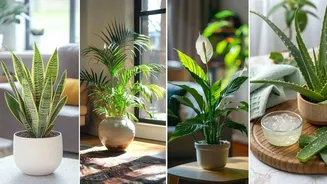
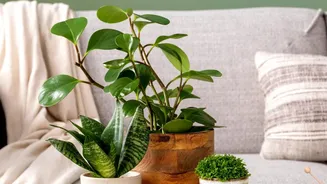
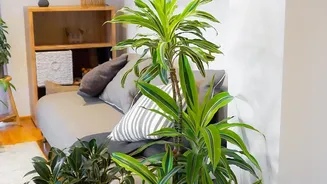
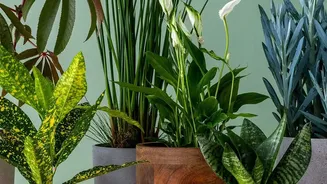
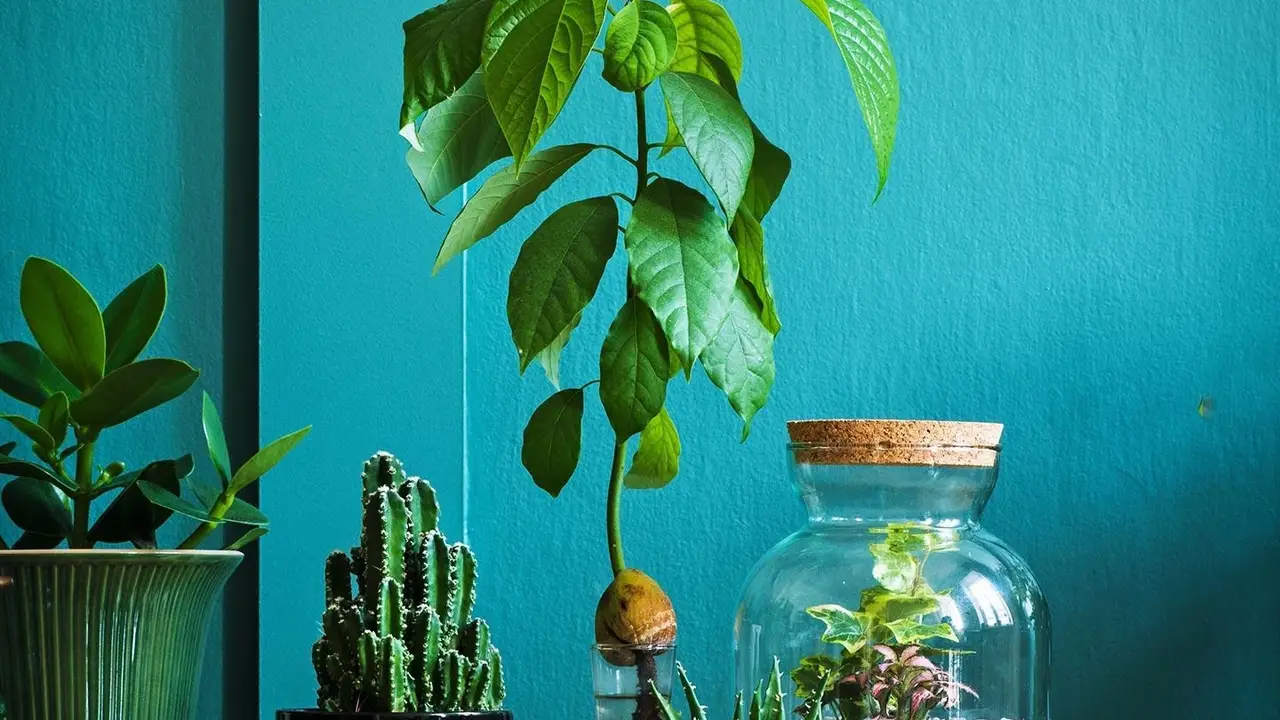
Not all plants are created equal when it comes to air quality. For Delhi homes, focus on hardy plants proven to be effective and easy to maintain. The Snake Plant is a superstar, known for absorbing toxins and releasing oxygen at night, making it perfect
for bedrooms. The Areca Palm is another excellent choice; it's a natural humidifier that helps combat the dry winter air while filtering pollutants. Money Plants (Pothos) and Spider Plants are incredibly low-maintenance and effective at tackling common indoor pollutants like formaldehyde, which can be found in furniture and cleaning agents. These are all readily available in local nurseries across India.
Strategic Placement for Maximum Impact
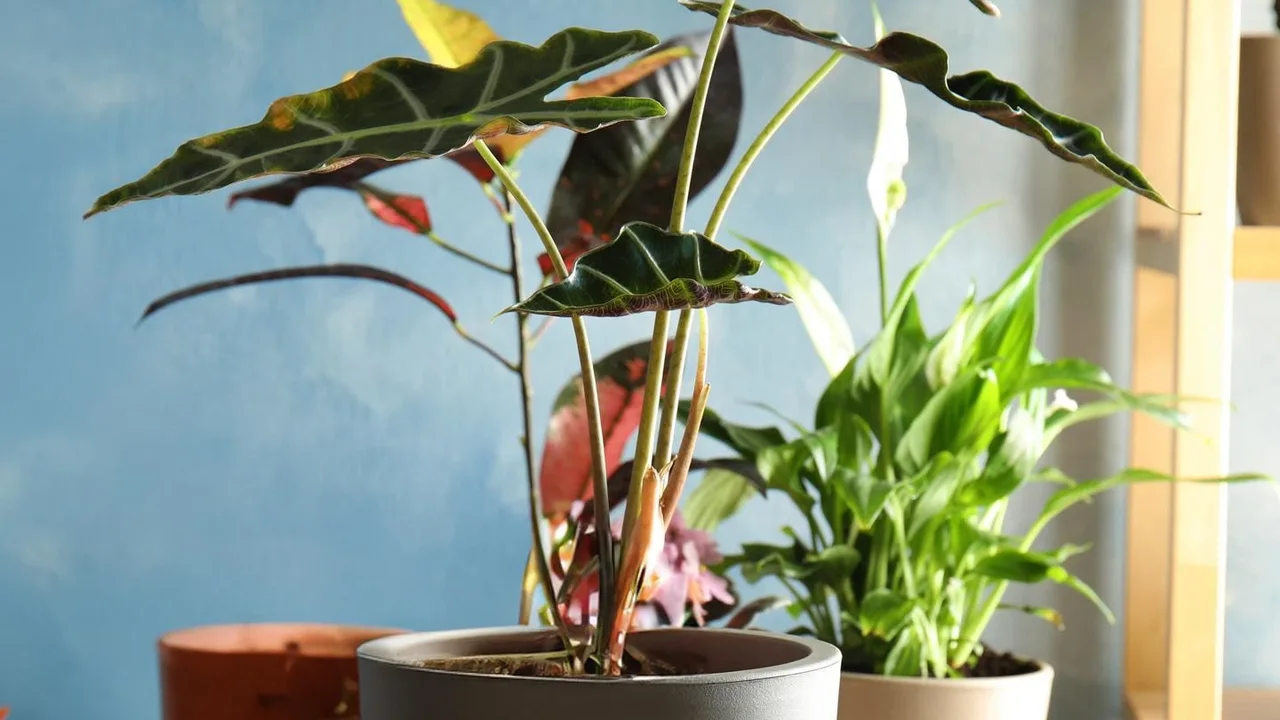
Where you place your plants matters. Grouping several plants together can create a mini-ecosystem that is more effective at cleaning the air in that specific zone. Place plants in areas where you spend the most time, such as the living room and bedroom. Positioning them near windows can help them capture some pollutants entering from outside, but be mindful of cold drafts. The Peace Lily, which thrives in lower light, is ideal for corners and hallways where other plants might not get enough sun. Similarly, placing an Aloe Vera plant in the bedroom can be beneficial as it's known to release oxygen at night.
More is Merrier: The Importance of Plant Density
A single potted plant in a large living room won't make a significant difference. While some studies suggest an impractically large number of plants are needed for purification, a more practical approach is to aim for a reasonable density. One popular recommendation based on early NASA research is to have at least two good-sized plants per 100 square feet of space. For an average-sized room, aiming for a cluster of 5 to 10 plants can create a noticeable improvement in the feeling of freshness and humidity, even if their impact on particulate matter is supplementary.
Keep the Leaves Clean and Healthy
During smoggy seasons, a layer of dust and pollutants can settle on plant leaves, clogging the pores (stomata) they use to breathe and absorb toxins. A dusty leaf is an ineffective one. Make it a weekly habit to gently wipe the leaves with a damp cloth. This simple 'hack' ensures the plant's surface area is maximized for air purification. Healthy plants are better air purifiers, so ensure they receive appropriate light, water, and care to thrive.
Leverage the Power of Soil and Roots
The air-purifying action isn't just in the leaves. Microorganisms in the potting soil also play a role in breaking down pollutants. Some studies indicate that exposing the surface of the soil can aid in this process. However, it's crucial to avoid overwatering, as damp soil can become a breeding ground for mould, which negatively impacts indoor air quality. Ensure your pots have good drainage to keep the root systems healthy and prevent mould growth, which would counteract your air-cleaning efforts.
A Reality Check: Helpers, Not Saviours
It is crucial to have realistic expectations. While the famed 1989 NASA Clean Air Study highlighted the ability of plants to remove volatile organic compounds (VOCs) in sealed chambers, this doesn't directly translate to removing the dense particulate matter (PM2.5) of Delhi's smog in a home with natural ventilation. Plants are excellent for improving general air quality, adding humidity, and boosting well-being, but they cannot replace a high-efficiency particulate air (HEPA) filter purifier, especially on days with 'Severe' AQI levels. Think of plants as a valuable part of a larger strategy that includes purifiers and sealing windows on high-pollution days.