







Why We Mistake Scrubbing for Cleaning
The satisfaction of a vigorous face wash is undeniable. We associate the tight, squeaky sensation with being truly clean, free from oil, makeup, and pollutants. Exfoliating products, from grainy scrubs to potent acids, promise to accelerate cell turnover,
leaving a brighter, smoother complexion. This has led to a culture of over-exfoliation, where many people unintentionally push their skin beyond its limits in the pursuit of perfection. The problem is, what feels clean in the moment is often the first sign of distress. That feeling of tightness isn't a sign of purity; it's a cry for help from your skin's protective layer.
Understanding Your Skin's Protective Barrier
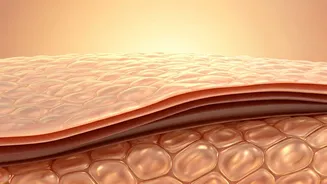
Think of your skin's outermost layer, the stratum corneum, as a brick wall. The 'bricks' are skin cells, and the 'mortar' is a mix of natural fats like ceramides and lipids. This structure, often called the skin barrier, has two critical jobs: to keep moisture in and to keep irritants, bacteria, and pollutants out. Over-scrubbing and harsh exfoliating physically strip away this crucial lipid mortar, leaving gaps in your skin's defences. This damage weakens the barrier, leading to a cascade of problems that many people mistakenly try to solve with even more scrubbing.
The Telltale Signs of Over-Exfoliation
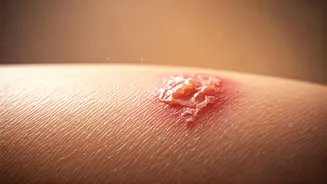
If you're exfoliating too often, your skin will let you know. One of the most common signs is increased sensitivity; products that used to be fine may suddenly sting or burn upon application. Other key indicators include persistent redness, dryness, and flakiness that no amount of moisturiser can seem to fix. Counterintuitively, you might also experience more breakouts, as a compromised barrier is more vulnerable to acne-causing bacteria. Another sneaky sign is a waxy or overly shiny appearance. This isn't a healthy glow, but a sign that the skin's surface texture has been stripped, making it look artificially polished before the real irritation sets in.
How to Cleanse and Exfoliate Gently
Dermatologists recommend a 'less is more' approach. For daily cleansing, once or twice a day is usually sufficient. Use a gentle, pH-balanced, non-foaming cleanser and lukewarm water—hot water can strip the skin, while cold water is less effective at removing oil. Use your fingertips to massage the cleanser for 30 to 60 seconds, then rinse thoroughly and gently pat your face dry with a clean towel. Exfoliation is a separate step that most people only need to do one to three times per week, depending on their skin type. Those with dry or sensitive skin might only exfoliate once a week, while oilier types might tolerate it more often. Chemical exfoliants like AHAs and BHAs are often preferred over physical scrubs, which can cause micro-tears in the skin.
How to Repair a Damaged Barrier
If you recognize the signs of over-exfoliation, the first step is simple: stop. Immediately pause the use of all exfoliating products, including scrubs, acids, and retinoids. Strip your routine back to the essentials: a mild cleanser, a barrier-supporting moisturiser, and daily sunscreen. Look for moisturisers with ingredients like ceramides, hyaluronic acid, and panthenol, which help rebuild the 'mortar' of your skin barrier. Be patient; recovery can take anywhere from two to eight weeks, depending on the extent of the damage. Once your skin no longer feels tight, red, or reactive, you can slowly reintroduce a gentle exfoliant back into your routine, starting with just once a week.