






Beyond the Metros: A Seismic Shift
The beauty market in India is booming, projected to hit nearly $39 billion by 2030, but the most explosive growth isn't happening in Mumbai or Delhi. [8, 10] Instead, it’s cities like Lucknow, Jaipur, Guwahati, and Surat that are commanding the attention
of major brands and retailers. [9] Recent data from e-commerce giants paints a clear picture: two-thirds of all beauty-related searches now originate from non-metro markets. [3, 11] Platforms like Flipkart report that shoppers from Tier-II and Tier-III cities are not just browsing; they are driving a 50% year-on-year growth in the beauty and personal care category. [2] Similarly, Amazon India sees over half of its demand for premium beauty products coming from these smaller cities. [6] This isn't a fluke; it's a fundamental demographic and economic realignment that is reshaping the future of Indian commerce.
The Triple Engine: Digital, Income, and Aspiration
Three key forces are powering this transformation. First, the digital revolution. Widespread internet access and the proliferation of social media have made beauty education and trends accessible to everyone. [13] Consumers in cities like Cuttack and Jamnagar are now influenced by the same global and national trends as their metro counterparts. [3] Second, rising disposable incomes and a growing middle class have increased spending power. [9] This has fueled a desire for premium, high-quality products, with consumers seeing beauty not as a luxury, but as an integral part of daily self-care. [5, 9] The third driver is aspiration. Digitally-savvy Gen Z consumers, who make up nearly 60% of online beauty purchases, are more informed and eager to experiment, creating a demand for everything from science-backed skincare to global brands. [2, 3]
How Brands Are Winning the Heartland
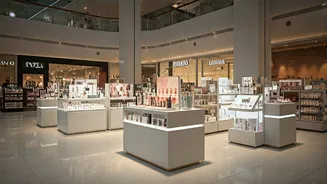
Smart brands are no longer treating Tier-II cities as an afterthought. Direct-to-Consumer (D2C) brands like SUGAR Cosmetics and Purplle now draw over 60% of their revenue from outside the metros. [4] They have succeeded by understanding that this consumer is both aspirational and value-conscious, often introducing smaller pack sizes to encourage trial. [4] E-commerce platforms are also aggressively courting these markets. Flipkart, for instance, is expanding its 'Glam Up Fest' to non-metro cities and curating its Global Luxe Beauty Store to cater to regional tastes. [2, 7] Established players are also adapting. Nykaa has been steadily expanding its offline 'On Trend' and 'Luxe' stores into cities like Bhubaneshwar and Raipur for years, using physical locations to build trust and allow for product discovery. [24] The strategy is omnichannel: hook customers offline, and they will continue to purchase online. [24]
The New Tier-II Consumer
The beauty buyer in a Tier-II city is a sophisticated and discerning customer. They are evolved, digitally fluent, and no longer willing to settle for substandard products. [12] They research ingredients like niacinamide and salicylic acid, follow regional influencers, and are increasingly interested in niche categories like men's grooming, which has seen a 65% growth spike. [3, 12] This has led to the emergence of 'PIN code Beauty,' where demand is shaped by hyperlocal factors like climate and water quality. [8] For example, consumers in one region might search for hydration products, while those in another might need specialized hair care. [8] Brands that succeed are those that listen to these specific needs and tailor their offerings accordingly, moving beyond a one-size-fits-all approach.