




More Than a Trip, It's a Trend
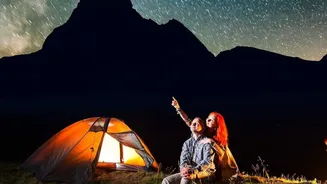
Astrotourism, or travel planned around celestial events, is one of India's fastest-growing travel segments. For young urbanites, it represents a deliberate shift away from performance-based, heavily scheduled holidays. Instead of ticking off sights, they
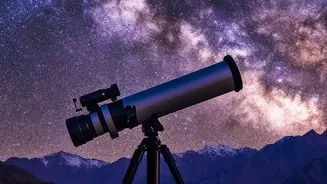
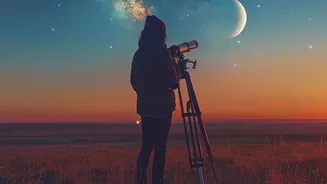
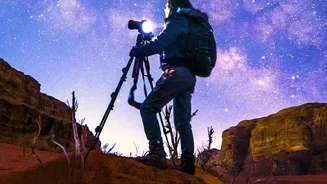
are seeking stillness, a connection with nature, and a digital detox. This search for slower, more meaningful experiences is driving them to remote corners of the country where the Milky Way is not just a picture on a screen, but a breathtaking reality visible to the naked eye. Organised 'star parties', astrophotography workshops, and guided telescope sessions are becoming increasingly popular, turning a niche hobby into a mainstream movement.
Hanle, Ladakh: India's Official Dark Sky Sanctuary
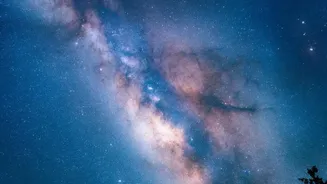
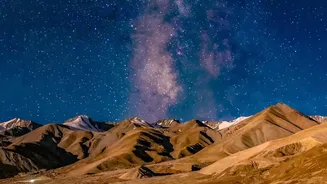
When it comes to pristine skies, Hanle is the undisputed champion. In 2022, it was officially designated as India's first Dark Sky Reserve, a globally recognised status ensuring its skies are protected from light pollution. Located in the remote Changthang Wildlife Sanctuary at an altitude of over 4,500 metres, Hanle offers some of the clearest and darkest skies in all of Asia. The dry, thin air and over 300 clear nights a year make it an astronomer's paradise, which is why it's home to the Indian Astronomical Observatory. For travellers, this translates to awe-inspiring views of the Milky Way galaxy, often so clear that its dust lanes become visible. Local villagers, trained as 'Astro Ambassadors', guide visitors with telescopes, making the experience both educational and supportive of the local economy.
Spiti Valley, Himachal Pradesh: The High-Altitude Desert
A close contender for India's best stargazing spot is Spiti Valley, a cold desert nestled high in the Himalayas. Its high altitude, minimal rainfall, and sparse population create near-perfect conditions for cosmic viewing. The valley is a favourite among young adventurers, particularly backpackers and bikers, who are drawn to its raw landscapes and ancient monasteries. Villages like Kibber, Langza, and Kaza have become legendary spots for astrophotography. Langza, with its iconic Buddha statue overlooking the valley, provides a stunning foreground for shots of the Milky Way arching across the sky. On clear, moonless nights, the experience of looking up from Spiti is profound, connecting travellers to a sky that has remained unchanged for millennia.
Rann of Kutch, Gujarat: A Celestial Show Over Salt Flats
The Great Rann of Kutch offers a stargazing experience unlike any other. The vast, flat expanse of the white salt desert provides an unobstructed horizon-to-horizon view of the night sky. With virtually no light pollution, the sky here is exceptionally dark. This destination is particularly popular with young travellers during the Rann Utsav festival, which runs from November to February. This period aligns with the clearest winter skies, allowing visitors to combine cultural immersion with spectacular cosmic displays. On a moonless night, the sheer number of stars is staggering, while on a full moon night, the salt desert glows with an ethereal, silvery light, offering two distinctly magical experiences.
Coorg, Karnataka: A Southern Starry Escape
Proving that you don't have to go to the Himalayas for a celestial escape, Coorg in Karnataka is emerging as a prime stargazing destination in South India. Nestled in the Western Ghats, its high elevation and location away from major urban centres result in clear, dark skies with minimal light pollution. For young travellers from cities like Bengaluru and Chennai, Coorg offers a much more accessible option. The experience here is unique—imagine setting up a telescope in a coffee plantation or on a misty hilltop after a day of exploring waterfalls and lush greenery. Several homestays and dedicated observatories now offer guided stargazing sessions, making it an easy and rewarding getaway for aspiring astronomers.