






1. Murungai Keerai Poriyal (Moringa Leaves Stir-Fry)
Often called the 'miracle tree', moringa's leaves are a powerhouse of nutrients, including vitamins A, C, iron, and calcium. While the drumstick vegetable is common, the leaves are less frequently used in urban homes. A simple South Indian poriyal or stir-fry
with lentils, coconut, and minimal spices allows the leaves' earthy flavour to shine. This dish is not only a quick and easy side for rice but also a potent immunity booster that supports digestion and helps regulate blood sugar.
2. Patra or Patrode (Taro Leaf Rolls)
Taro leaves, or arbi ke patte, are large, heart-shaped greens packed with vitamins A and C, iron, and dietary fibre. Patra is a culinary masterpiece where these leaves are layered with a spiced gram flour paste, rolled, steamed, and then pan-fried or tempered. This snack, popular in Gujarat and Maharashtra, offers a delightful contrast of soft and crisp textures with a tangy, spicy, and sweet flavour profile. It’s a delicious way to consume greens while benefiting from their antioxidant and immune-boosting properties.
3. Kathal Ke Beej ki Sabzi (Jackfruit Seed Curry)
After enjoying sweet, ripe jackfruit, most of us discard the seeds. However, these seeds are edible, nutritious, and have a starchy, potato-like texture when cooked. Rich in protein and fibre, they can be boiled, peeled, and turned into a flavourful curry. A simple North Indian style sabzi with onions, tomatoes, and spices transforms these seeds into a hearty and satisfying dish that pairs beautifully with rotis or rice, ensuring zero waste and maximum nutrition.
4. Chaulai ki Sabzi (Amaranth Leaves Stir-Fry)
Amaranth leaves, known as chaulai or lal saag, are vibrant red or green leaves that are incredibly rich in iron, vitamin A, and protein. Though once a staple, they are often overlooked in favour of spinach. A simple stir-fry with garlic, cumin, and dried red chillies brings out the leaves' mildly sweet and earthy taste. This quick-cooking green dish is perfect for a weekday meal, offering a nutrient-dense alternative to more common leafy vegetables.
5. Nadru Yakhni (Lotus Stem in Yogurt Curry)
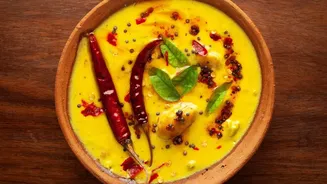
Lotus stem, or kamal kakdi, is a crunchy, fibrous vegetable with a unique pattern and a mild taste. While used in pickles and stir-fries, its role in the iconic Kashmiri Nadru Yakhni is truly special. In this dish, boiled lotus stem slices are simmered in a fragrant, creamy yogurt-based gravy flavoured with fennel, ginger powder, and cardamom. It’s a sophisticated yet comforting curry that showcases how a simple ingredient can be elevated into a delicacy.
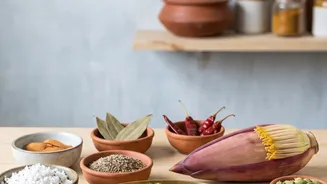
6. Mocha'r Ghonto (Banana Flower Curry)
The banana flower, or mocha, is an intricate, purplish blossom that requires some effort to clean but rewards with a unique, slightly astringent taste and a wealth of fibre and iron. A traditional Bengali delicacy, Mocha'r Ghonto is a dry curry made with finely chopped banana flowers, potatoes, coconut, and aromatic spices like cumin and garam masala. This dish represents a slow-food tradition, turning a humble flower into a complex and delicious part of a meal.
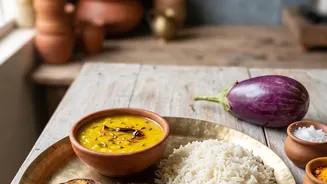
7. Kulith Dal (Horse Gram Lentil Soup)
Horse gram, or kulith, is a small, powerful legume that has been a part of traditional diets for its warming properties and high protein and iron content. Once considered a rustic staple, it is less common in modern urban kitchens. Kulith Dal is an earthy, robust lentil soup with a distinct flavour, often tempered with garlic, mustard seeds, and curry leaves. It’s a nourishing and deeply satisfying dish, especially in colder weather, that provides sustained energy.
8. Lingri ki Sabzi (Fiddlehead Fern Stir-Fry)
Fiddlehead ferns, known as lingri in Himachal Pradesh, are the coiled young fronds of a fern plant, foraged from forests during the monsoon season. These greens have a unique, crisp texture and a flavour reminiscent of asparagus or green beans. A simple Himachali preparation involves stir-frying the ferns in mustard oil with local spices like jakhiya (a wild mustard seed), garlic, and chillies. Rich in antioxidants and omega-3 fatty acids, this seasonal delicacy is a true taste of the mountains.