







The Shift from 'All or Nothing'
For years, festive fitness has been a cycle of extremes: intense pre-festival workouts followed by a complete halt once the celebrations begin, leading to guilt and the feeling of starting over. The modern approach scraps this 'all-or-nothing' mindset.
Instead of aiming for perfection, the new goal is consistency. This philosophy acknowledges that life gets busy with social gatherings, travel, and cultural rituals, making hour-long gym visits unrealistic. The makeover in festive fitness is about embracing what you can do, even if it's just for 15-20 minutes a day, rather than feeling defeated by what you can't. This sustainable method focuses on maintaining momentum, which is crucial for long-term health.
Why Short, Consistent Workouts Work
So-called 'micro-workouts' or 'exercise snacks' are short bursts of physical activity, typically lasting 5 to 20 minutes, designed to be slotted into your day. The science behind them is compelling. Research shows that brief, intense sessions can offer cardiovascular and metabolic benefits comparable to longer, more moderate exercise. These quick routines boost circulation, elevate your heart rate, and can improve your mood and focus. A significant advantage is their ability to break down barriers like lack of time, low motivation, or the inconvenience of a gym commute. By making exercise more accessible, they foster consistency, which is a more powerful driver of results than occasional high-intensity sessions.
Building Your 20-Minute Festive Routine
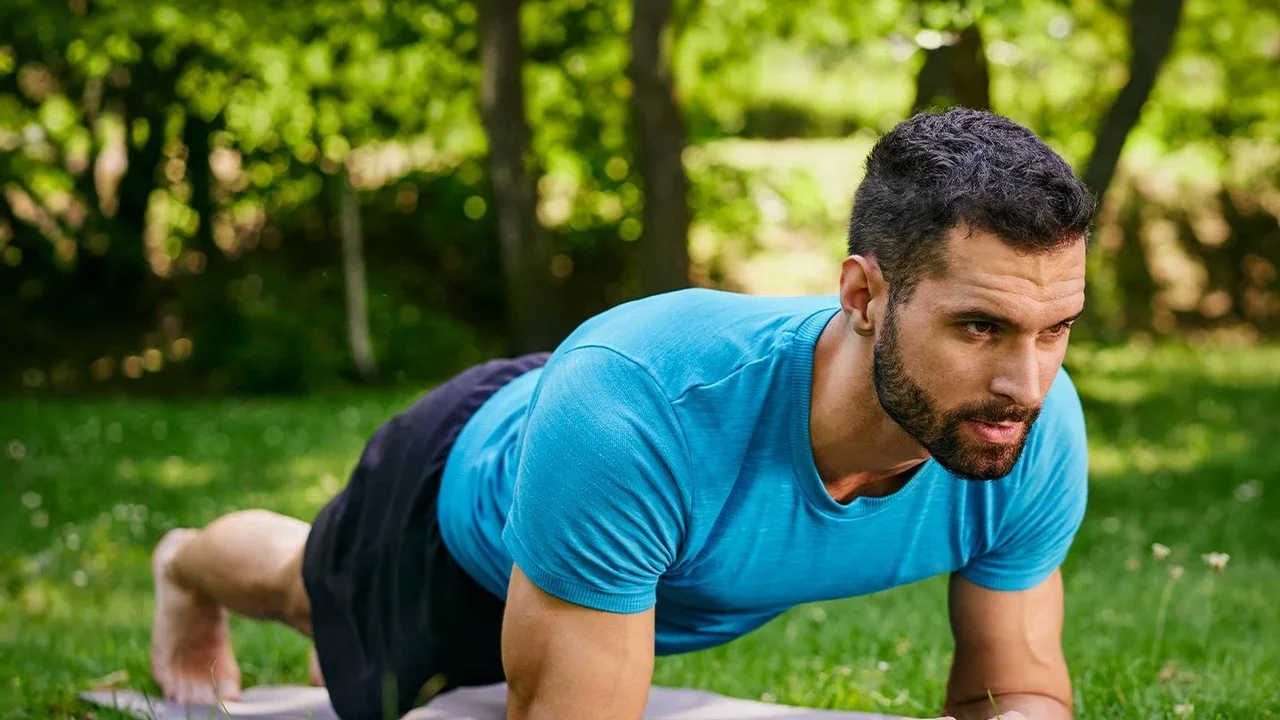
Creating a schedule-friendly workout doesn't require any equipment. The key is to focus on compound movements that engage multiple muscle groups. A simple and effective 20-minute session can be done at home before the day's festivities begin. Consider a circuit of bodyweight exercises like squats, push-ups, planks, and lunges. For example, you could perform each exercise for 45-60 seconds, rest briefly, and repeat the circuit for 15-20 minutes. Even a brisk 20-minute walk has significant benefits for heart health and energy levels. During Navratri, you could even join in the Garba or Dandiya as a fun form of cardio. The goal is to make movement a non-negotiable part of your day, just like any other appointment.
Consistency Over Intensity
The core message of this modern fitness approach is that consistency is more important than intensity, especially during demanding periods like the festive season. Pushing for intense workouts when your body is already tired from late nights and a different diet can increase the risk of injury and burnout. It's far better to perform a moderate, 20-minute workout five days a week than to attempt a single, exhausting 90-minute session that leaves you sore for days. This steady approach helps maintain muscle strength, joint mobility, and cardiovascular health without adding extra stress to your system. It reinforces the habit of exercise, making it easier to continue your routine once the festive season is over.
Mindful Indulgence, Not Restriction
This balanced mindset extends to nutrition. Just as fitness becomes about small, consistent efforts, eating during the festive season is about mindful indulgence, not total restriction. It’s unrealistic to avoid all festive treats, and doing so can create a negative relationship with food. Instead, practice portion control by using smaller plates and savouring each bite. Staying hydrated and eating a small, protein-rich snack before a large gathering can prevent you from arriving ravenous and overeating. A short walk after a heavy meal can aid digestion and help manage energy levels. This balanced approach allows you to participate fully in the cultural and social aspects of food without compromising your well-being.