






You may never visit the dunes and methane lakes of Saturn's largest moon, but your name can. NASA is inviting the public to be part of one of its most ambitious missions yet, sending a car-sized drone to explore the alien world of Titan.
Get Your Boarding Pass to Titan
In a tradition
that connects the public with the grand journey of space exploration, NASA has opened its 'Journey to Titan' campaign. Anyone from around the world can submit their name to be etched onto a microchip that will be placed aboard the Dragonfly spacecraft. To join, you simply visit NASA's official campaign website, fill in your details, and in return, you'll receive a personalized digital boarding pass. The deadline to secure your spot on this historic flight is January 15, 2027. Participants can also opt-in to receive mission updates, allowing them to follow Dragonfly's incredible adventure from its launch to its operations on Titan.
A Nuclear-Powered Drone for an Alien World
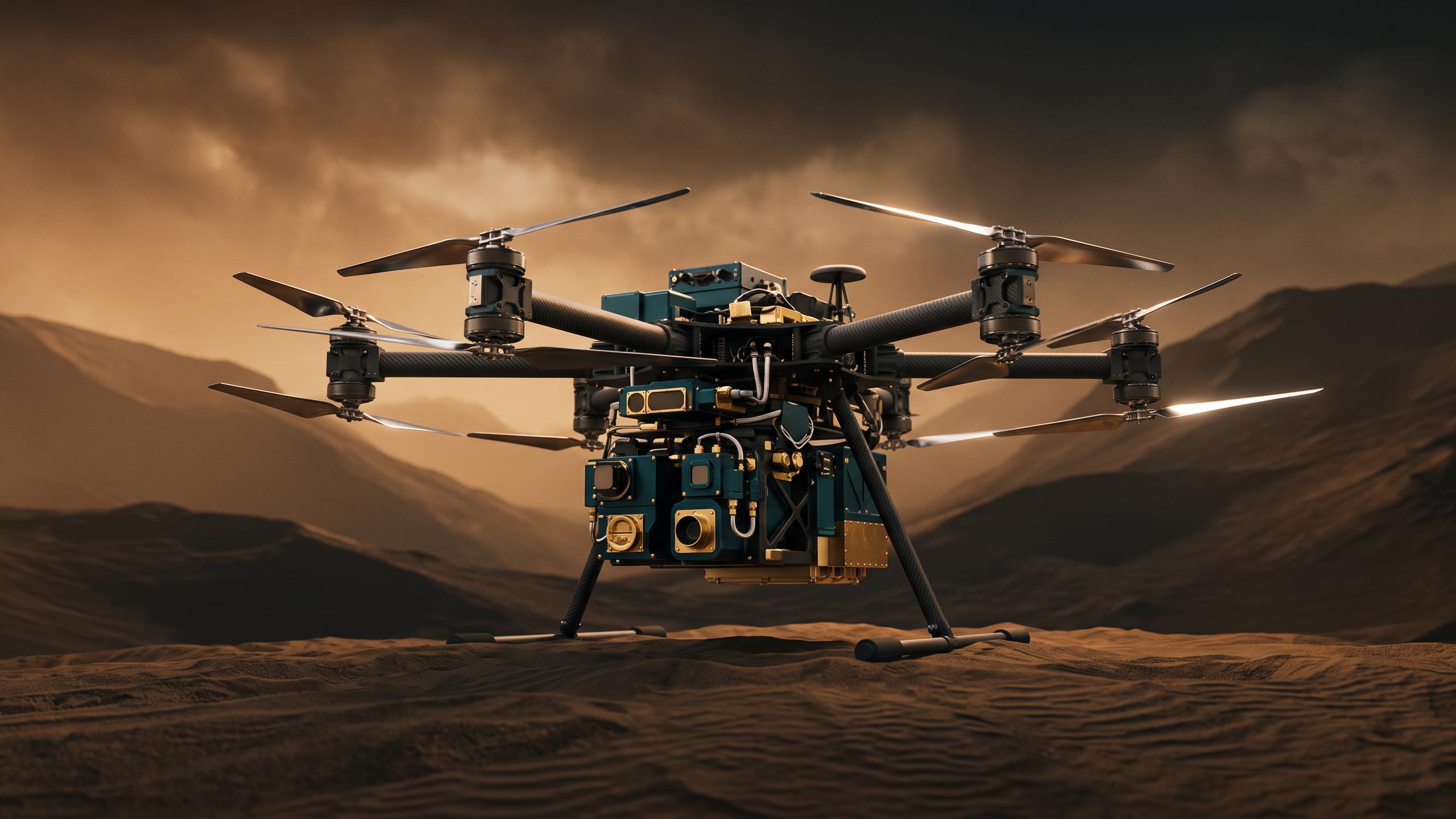
Dragonfly is unlike any planetary probe ever built. It is a dual-quadcopter, or rotorcraft, roughly the size of a small car, equipped with eight rotors. This design will allow it to become the first vehicle to fly its entire science payload to multiple locations on another world. Taking advantage of Titan's thick atmosphere and low gravity, which make flight easier than on Earth, Dragonfly will be able to hop from one scientifically interesting site to another. The plan is for the rotorcraft to fly for several miles at a time, land, conduct experiments, and then fly to a new location, covering dozens of spots during its multi-year mission.
Why Titan is a Scientific Treasure
Saturn's largest moon is one of the most compelling destinations in our solar system for astrobiologists. Titan is the only moon with a thick atmosphere, which is four times denser than Earth's and rich in nitrogen and organic material. It features an Earth-like, but alien, landscape with rivers, lakes, and seas of liquid methane and ethane, as well as vast fields of organic sand dunes. Scientists are fascinated by Titan because it hosts a complex cycle of prebiotic chemistry—the chemical processes that occurred before life emerged on Earth. Beneath its icy crust, evidence also points to a massive subsurface ocean of liquid water, making Titan a prime target to study the ingredients and conditions necessary for life.
The Long Journey Ahead
Patience is a virtue in deep space exploration. The Dragonfly mission is scheduled to launch aboard a SpaceX Falcon Heavy rocket no earlier than July 2028. After leaving Earth, the spacecraft will embark on a long voyage across the solar system, covering approximately 3.5 billion kilometres. It is scheduled to finally arrive at Titan in 2034. Upon arrival, the spacecraft will endure a fiery entry through Titan's atmosphere before deploying its rotors to land. From there, it will begin its primary science mission, which is planned to last for over three years, sending back data that could rewrite our understanding of how life can begin.