




Embrace the 'Use-First' Box
The concept is simple: create a designated, highly visible spot in your fridge for produce that needs to be eaten soon. This isn't just about storage; it's a visual reminder system. By creating a specific box or container, you train yourself and your family
to look there first when thinking about a snack or a meal. A clear, open container works best because it keeps everything in sight. This one small change can dramatically cut down on the vegetables that get lost in the back of a crisper drawer only to be discovered when it's too late.
Sort Your Sabzi Like a Pro
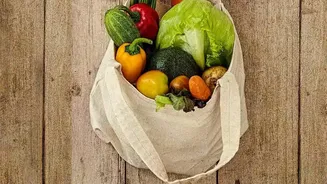
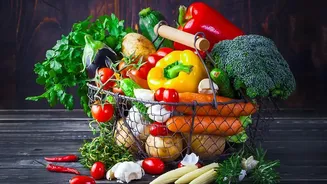
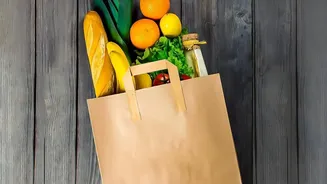
After a trip to the market, the first step is to sort your haul. Separate your vegetables into two main groups: delicate and hardy. Delicate items are those with a short shelf life. Think leafy greens like spinach and palak, fresh herbs like coriander and mint, and soft vegetables like mushrooms. Hardy vegetables include root vegetables like carrots and beets, as well as potatoes, onions, and gourds. The delicate items are prime candidates for your use-first box. They are the ones that will wilt or spoil first and need your immediate attention.
Prep for Success (But Don't Overdo It)
While it’s tempting to wash and chop everything at once, excess moisture is a major cause of spoilage, especially in India’s humid climate. It’s best to store most vegetables unwashed and dry. However, for items you intend to use in the next day or two, a little prep can be a game-changer. You might wash and dry some spinach for a quick sabzi or chop bell peppers for a stir-fry. Store these prepped items in containers with some ventilation, not sealed plastic bags which trap moisture. For herbs like coriander, you can trim the stems and place them in a glass with a little water to keep them fresh.
Location, Location, Location
Visibility is the key to making this system work. Place your use-first box at eye level on a main shelf in the refrigerator. Avoid putting it in the crisper drawers, which are often out of sight and out of mind. The goal is to make these vegetables the most convenient and obvious choice. When you open the fridge door looking for a snack or dinner inspiration, the use-first box should be the first thing you see. This simple act of strategic placement makes you far more likely to use what you have.
Tackling Delicate Greens and Herbs
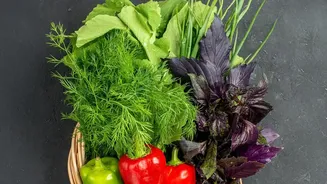
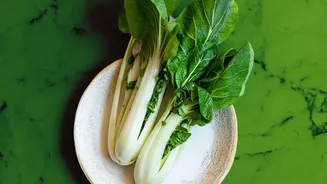
Leafy greens and fresh herbs are often the first to go. If you see palak or coriander starting to wilt, don’t despair. They can be revived, or at the very least, used immediately. Sad-looking greens can be wilted into soups, dals, or scrambled eggs. An abundance of fresh herbs can be blended into a chutney or a pesto-like sauce with some oil, which will last much longer in the fridge. The rule is to prioritise these items. Plan your next meal around them. That handful of mint is perfect for a quick raita, and the spinach can easily be added to your evening dal.
Meal Planning from the Box
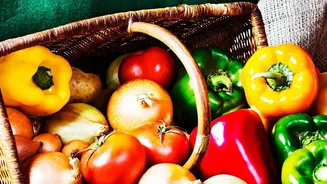
Let your use-first box guide your cooking. Instead of starting with a recipe and then buying ingredients, start with what needs to be used. Got some slightly soft tomatoes, a capsicum, and half an onion? That’s the perfect base for a quick pasta sauce, a frittata, or a topping for toast. This “use-it-up” approach encourages creativity in the kitchen. Dishes like stir-fries, mixed vegetable sabzis, soups, and pasta salads are excellent for incorporating a variety of vegetables that are on their way out.
The Final Check Before You Shop
Before you head out for your next grocery run or place your online order, your final checklist item is to look in your use-first box. What’s left? What did you use up? This quick audit is crucial. It stops you from buying more of what you already have, preventing the cycle of over-buying and waste. If you still have half a head of cabbage and some carrots, you know to build a meal around them and not buy more. Your use-first box becomes an inventory management system, making you a smarter, more efficient shopper.