





Navigating Airport Entry
The first hurdle of any international trip is the immigration counter, and in Thailand, officials are applying greater scrutiny. This is not to deter tourists but to manage high visitor volumes and address issues like visa overstays and illegal work.
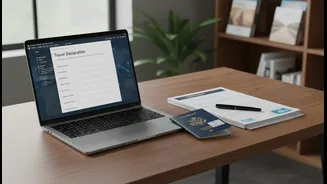
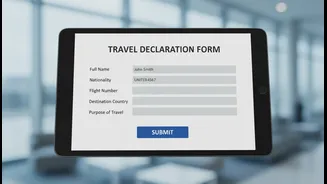
Travellers may be questioned about their itinerary, accommodation, and purpose of visit. The key is to be prepared. In early July 2026, the Embassy of India in Bangkok issued an advisory, urging Indian nationals to carry all necessary documents to ensure a smooth entry. You will also need to complete the Thailand Digital Arrival Card (TDAC) online within 72 hours before your flight, which generates a QR code for immigration. Having your documents organised and answers ready will make the process much faster and reduce the risk of being denied entry, which has happened to thousands of travellers.
Your Holiday Budget on Display
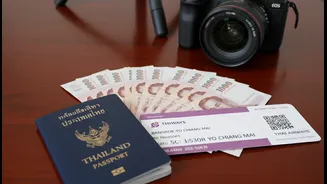
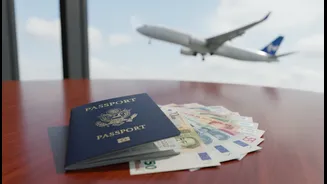
One of the most significant and strictly enforced rules is the requirement to show proof of sufficient funds. Immigration authorities can ask tourists to show they are carrying at least 20,000 Thai Baht per person (approximately ₹58,000) or 40,000 THB per family. Crucially, officials may specifically request to see this amount in cash, and credit cards or bank app balances are not always accepted as a substitute. The Indian Embassy's advisory explicitly highlights this cash requirement for those using the Visa on Arrival facility. This rule has existed for years but is now being more rigorously enforced to ensure tourists can financially support themselves during their stay and are not entering for other purposes. Arriving without these funds could lead to entry refusal, turning a dream holiday into a nightmare at the first step.
The Essential Document Checklist
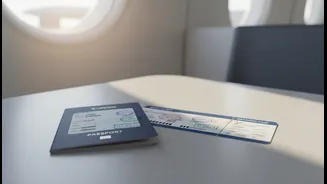
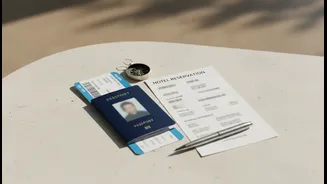
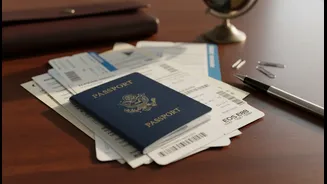
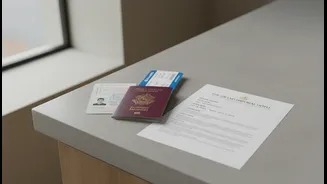
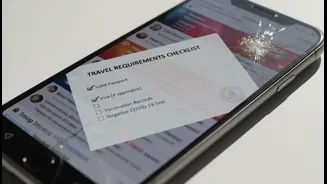
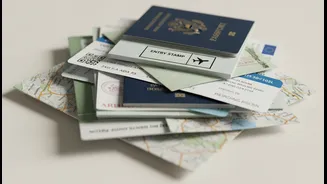
Being ready with your paperwork is non-negotiable. Recent changes mean that the visa-free scheme for Indians has ended; travellers now require a Visa on Arrival (VoA) for stays up to 15 days, which costs 2,000 THB. For longer stays, a pre-arranged e-Visa is necessary. Your document checklist should include a passport with at least six months of validity, a confirmed return flight ticket, and proof of accommodation for your entire stay. Immigration officers are particularly strict about return tickets and hotel bookings to prevent overstays. Keep printed or easily accessible digital copies of everything: your visa, flight confirmations, hotel bookings, and your TDAC QR code. Having a complete and organised folder of these documents is the best way to demonstrate you are a genuine tourist ready for a hassle-free vacation.
Why the Increased Scrutiny?
The stricter enforcement is part of a broader national strategy by Thai authorities to enhance security and promote what they term 'quality tourism'. The government is cracking down on transnational crime, online scams, and individuals who misuse tourist visas to work illegally or overstay their welcome. This 'No Entry, No Stay, No Escape' policy involves heightened screening at all points of entry. While genuine tourists are still warmly welcomed, the system is designed to filter out those who do not comply with the rules. Factors like national security concerns and the sheer volume of visitors putting pressure on infrastructure in places like Phuket and Bangkok have also contributed to these tighter controls. Understanding this context helps travellers see the checks not as a personal inconvenience, but as a systematic effort to ensure safety and order.