



The Financial Safety Net
The primary driver behind the franchise frenzy is simple: money. In an era of rising production costs and fierce competition for audience attention, an original film is a high-risk gamble. A sequel or a franchise film, however, comes with a built-in advantage.
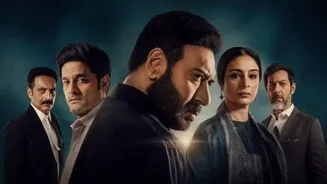
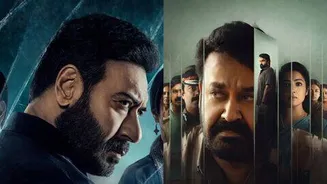
It has brand recognition. Trade analysts note that marketing a sequel is far easier because you don't need to introduce the world or characters from scratch. The audience's existing memory does half the work. This perceived safety is why studios are increasingly treating their successful films like a financial portfolio, choosing to invest in known assets that promise a predictable opening weekend over the uncertainty of a completely new idea. Films like Drishyam 2 and Bhool Bhulaiyaa 2 weren't just hits; their massive box office collections sent a clear message to the industry that familiarity sells, often outperforming original concepts.
Harnessing the Power of Nostalgia
Beyond the balance sheets, franchises tap into a powerful emotional currency: nostalgia. Audiences have a deep-seated affection for characters they grew up with or worlds that left a lasting impression. Bringing back a beloved film is a way of inviting viewers to relive a pleasant memory, a potent marketing tool in itself. The success of films like Bhool Bhulaiyaa 2 demonstrates that even a standalone sequel, with a new cast but a familiar theme and title, can draw huge crowds by leveraging the goodwill of the original. This connection creates a keenly awaited event, turning a movie release into a cultural moment. The industry has learned that in challenging times, offering the comfort of the familiar is a reliable way to get audiences to leave their homes and buy a ticket.
Building India's Cinematic Universes
Taking a cue from Hollywood's success with Marvel, Bollywood is now moving beyond simple sequels and into the more ambitious realm of cinematic universes. The YRF Spy Universe, which connects films like Ek Tha Tiger, War, and Pathaan, is a prime example. By having characters crossover and storylines intersect, studios create a brand that is larger than any single film. This strategy encourages viewers to watch every installment to keep up with the overarching narrative, fostering a dedicated fan culture. We also see this with Rohit Shetty's Cop Universe (Singham, Simmba, Sooryavanshi) and Maddock's horror-comedy universe (Stree, Roohi, Bhediya). These interconnected worlds allow for endless storytelling possibilities and offer a new way to capitalize on star power and popular characters.
A Sign of Creative Stagnation?
While financially logical, the industry's heavy reliance on franchises has its critics. Some argue it points to a lack of creativity and an unwillingness to take risks on fresh, original stories. When the release calendar is dominated by sequels and spin-offs, original scripts can be marginalized, denied the budget and marketing muscle that franchises receive automatically. Furthermore, success is never guaranteed. Franchise fatigue is a real phenomenon, and audiences can quickly turn on a series if the quality drops or if it feels like a blatant cash grab. Several sequels in 2025 underperformed, proving that a familiar name is no substitute for a compelling story. Even the mighty YRF Spy Universe has shown signs of vulnerability, with recent entries seeing lower returns, suggesting audiences still demand quality, not just a brand name.