

The Heritage Dilemma
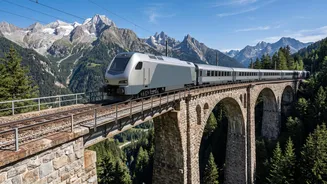
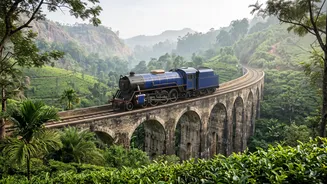
India’s mountain railways, including the Kalka-Shimla, Darjeeling Himalayan, and Nilgiri Mountain Railways, are UNESCO World Heritage Sites, beloved for their breathtaking views and vintage appeal. For decades, their distinctive chug has been powered
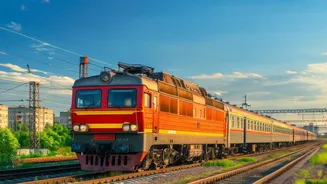
by coal-fired steam or diesel engines. While integral to the nostalgic experience, these locomotives release smoke and emissions that tarnish the ecologically sensitive environments they traverse. As India pushes towards ambitious climate goals, including achieving net-zero emissions by 2070, the reliance on fossil fuels for these iconic tourist attractions has presented a significant challenge: how to preserve history without compromising the future.
Hydrogen for Heritage: A Clean Solution
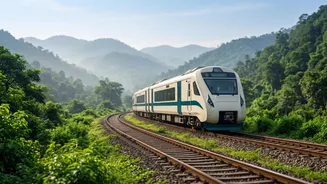
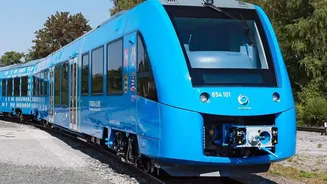
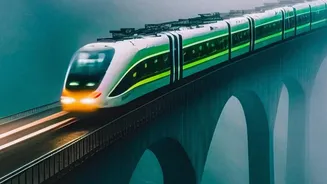
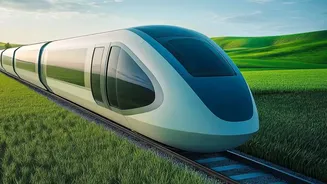
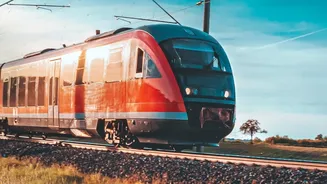
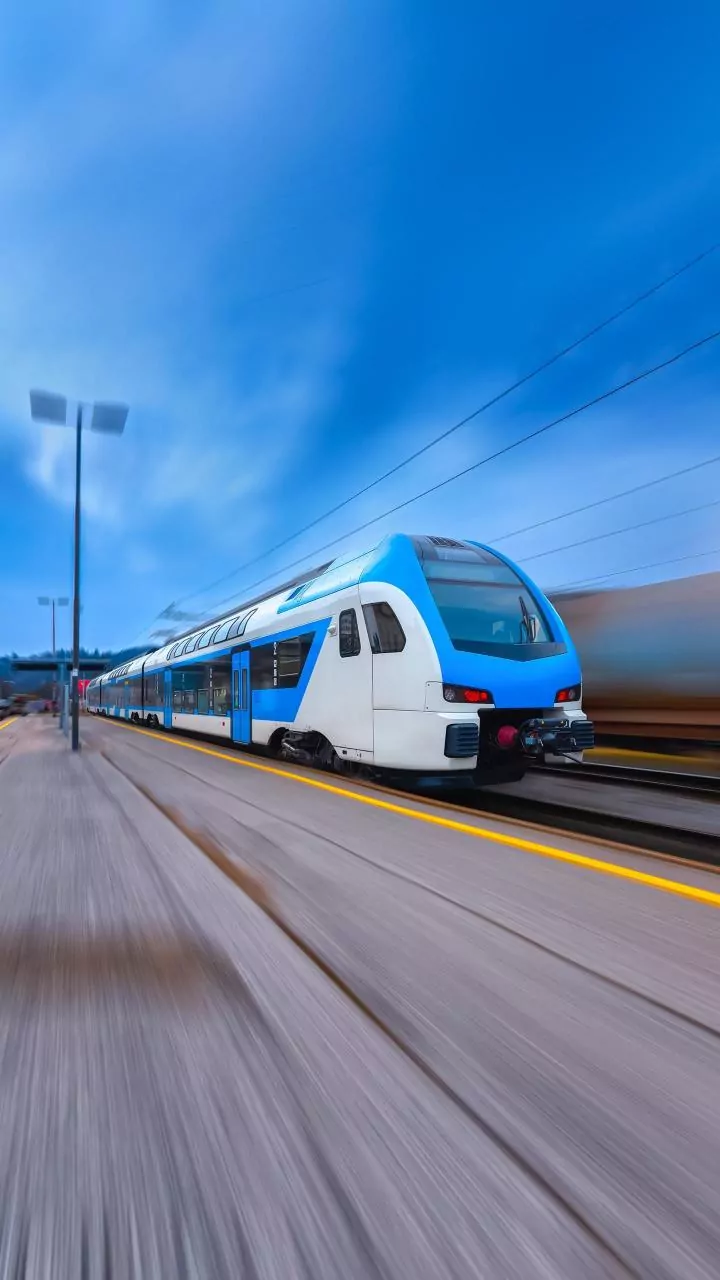
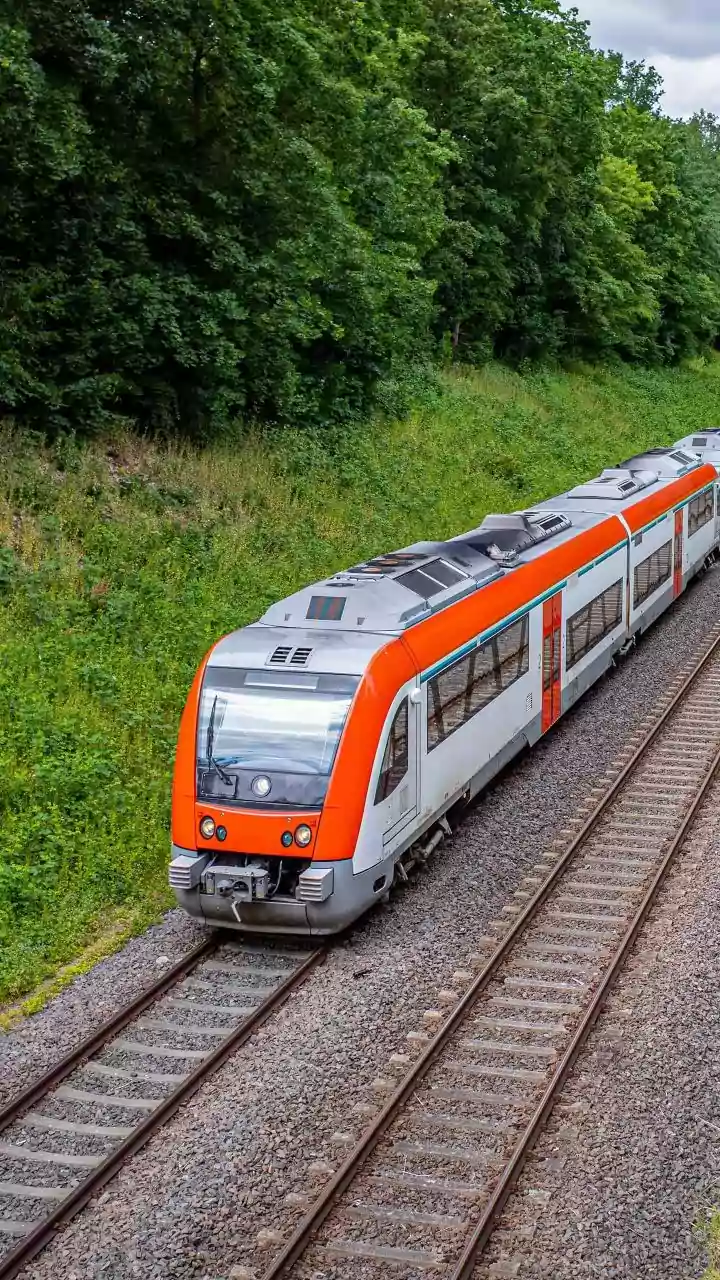
The answer lies in the 'Hydrogen for Heritage' initiative, a pioneering project by Indian Railways to run 35 hydrogen-powered trains on its heritage and hill routes. The programme aims to retrofit existing diesel-electric multiple unit (DEMU) rakes with a hydrogen fuel cell system. Unlike diesel engines that burn fuel and produce emissions, these green locomotives generate electricity through a chemical reaction, producing only water vapour as a by-product. This makes them a zero-emission solution, perfectly suited for the fragile ecosystems of India's mountain railways. The first successful pilot was launched on the Jind-Sonipat section in July 2026, paving the way for wider adoption.
How Do Hydrogen Trains Work?
The technology at the heart of these green locomotives is the hydrogen fuel cell. Highly compressed hydrogen is stored in cylinders on the train. Inside the fuel cell, this hydrogen reacts with oxygen taken from the atmosphere. This electrochemical process generates electricity to power the train's motors, along with a small amount of heat and water. Any surplus energy is stored in advanced lithium-ion batteries, which can provide an extra power boost during acceleration. This hybrid system ensures a constant and reliable power supply without the noise, smoke, and carbon emissions associated with conventional diesel engines.
The Kalka-Shimla Route and Beyond
The Kalka-Shimla Railway is slated to be one of the first heritage routes to benefit from this technology. The experience gained from the Jind-Sonipat pilot project will be leveraged to deploy these hydrogen trains here and on other scenic routes. Indian Railways has already identified sites for hydrogen fuelling infrastructure at Kalka, Shimla, and Barog to support these operations. The project is not just a technological demonstration but part of a structured national programme. It signals a clear intent to move beyond pilot projects and integrate hydrogen power into the broader rolling stock, especially on routes where overhead electrification is difficult or undesirable.
Challenges and the Road Ahead
While the promise of hydrogen trains is immense, the path to widespread adoption has its hurdles. The initial costs are high, with each train estimated to cost around ₹80 crores and an additional ₹70 crores needed for ground infrastructure per route. Creating a nationwide network for the production, storage, and transportation of green hydrogen also requires significant investment. However, officials anticipate that costs will decrease as the technology matures and more trains are commissioned. This initiative aligns with Indian Railways' larger goal of becoming a net-zero carbon emitter by 2030 and supports the National Green Hydrogen Mission, positioning India as a leader in sustainable transport technology.