






The Tyranny of Resupply
Sustaining human life in the vacuum of space is a monumental logistical challenge. Every kilogram of supplies launched from Earth, including essentials like water and oxygen, comes at an immense cost. For short missions on the International Space Station
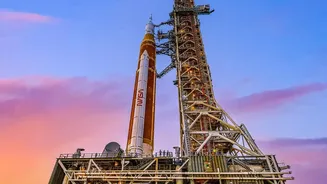
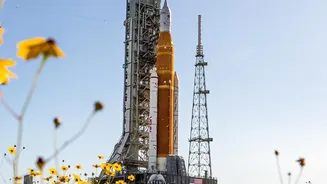
(ISS), resupply is difficult but manageable. However, for NASA's Artemis program, which aims to establish a long-term human presence on the Moon and eventually send astronauts to Mars, the old model of packing everything you need is simply not viable. A round trip to Mars could take years, and the amount of oxygen required for astronauts to breathe and to use as rocket propellant for the return journey would be astronomical. It's a problem that requires a radical shift in thinking, from carrying supplies to creating them on-site.
From Open to Closed Loops
The International Space Station currently uses a partially closed-loop system called the Environmental Control and Life Support System (ECLSS). This system is a marvel of engineering, capable of reclaiming wastewater from sources like urine and cabin humidity. This water can then be fed into an Oxygen Generation System (OGS), which uses a process called electrolysis to split the water molecules (H2O) into breathable oxygen (O2) and hydrogen gas, which is vented into space. While impressive, these systems are not fully self-sufficient. They still require periodic resupply of water and replacement parts, making them an 'open loop' that relies on a lifeline to Earth. For a sustainable lunar base or a Mars mission, that loop needs to be closed.
The Magic of Recycling Air
A truly closed-loop system is one that can recycle nearly all of its essential resources, much like Earth's own ecosystem. For life support, this means not just recycling water but also recycling the very air the astronauts breathe. Humans inhale oxygen and exhale carbon dioxide (CO2). On the ISS, excess CO2 is scrubbed from the air and either vented or, in some advanced systems, processed further. The goal for future systems is to take that exhaled CO2 and turn it back into fresh, breathable oxygen. This isn't science fiction; it's the next frontier of life support technology, and NASA and its international partners are actively developing the hardware to make it happen for Artemis and beyond.
How to Turn CO2 into Oxygen
The key to closing the oxygen loop lies in a chemical process known as the Sabatier reaction. Advanced ECLSS designs, like the Advanced Closed Loop System (ACLS) tested on the ISS, first capture CO2 from the cabin air. This captured CO2 is then reacted with the waste hydrogen produced during water electrolysis. The result of this reaction is water and methane. The water is a precious resource that gets cycled right back into the Oxygen Generation System to be split into more oxygen. The methane is typically vented. This two-step process—electrolysis creating oxygen and hydrogen, and the Sabatier reaction using that hydrogen to convert CO2 into recyclable water—forms a regenerative cycle that dramatically reduces the amount of water that needs to be launched from Earth.
The Artemis and Mars Advantage
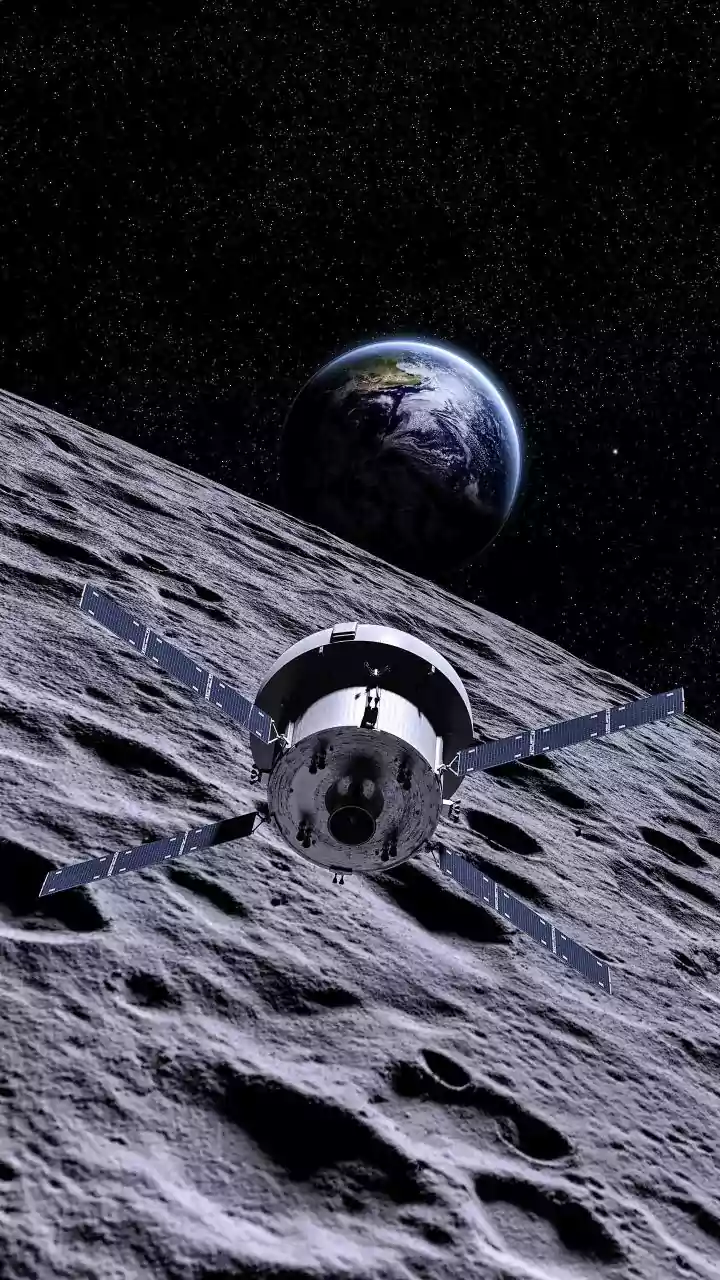
This technology is absolutely essential for the ambitions of the Artemis program. The Gateway, an outpost that will orbit the Moon, will serve as a staging point for deep space missions and will require these advanced, sustainable life support systems to function. For a lunar base, the ability to recycle air and water means astronauts can stay for longer durations, conducting more science and exploration. It's the difference between a short visit and setting up a permanent camp. The stakes are even higher for Mars. A mission to the Red Planet will be a multi-year endeavor where resupply is impossible. Furthermore, technologies like the Mars Oxygen In-Situ Resource Utilization Experiment (MOXIE) have already successfully demonstrated that it's possible to create oxygen directly from the Martian atmosphere, which is 96% carbon dioxide. Combining these 'living off the land' techniques with highly efficient closed-loop recycling systems inside the habitat is the only feasible way to support a human crew on such a long journey.