





The Modern Explorer’s Power Problem
Venturing into the remote wilderness, whether it’s the Himalayas or the Western Ghats, used to mean a complete digital detox. Today, however, our gear often relies on electricity. Your smartphone isn’t just for Instagram; it’s your emergency communication
tool and GPS navigator. Your headlamp needs charging, your camera batteries are finite, and for digital nomads, a laptop is essential. For years, the only solution was to carry heavy, bulky power banks, rationing every percentage point of battery life. This creates a constant, low-level anxiety that detracts from the experience of being truly off-grid. The challenge has always been to find a power source that is as rugged and mobile as the adventurer carrying it.
What Are Flexible Solar Mats?
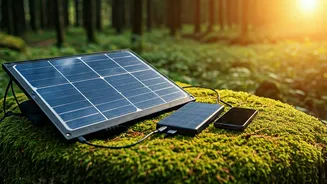
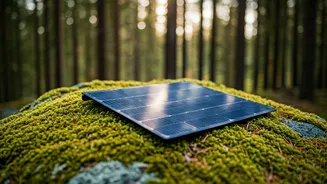
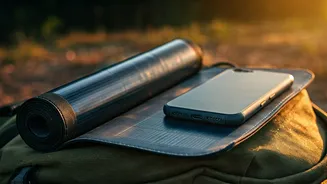
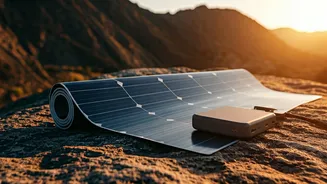
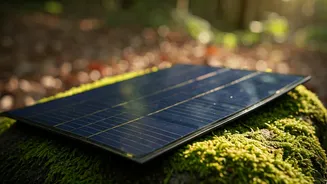
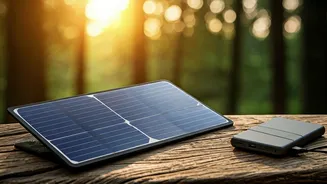
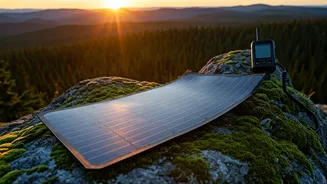
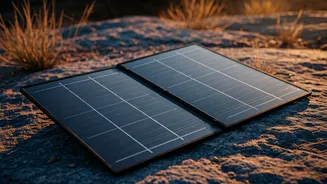
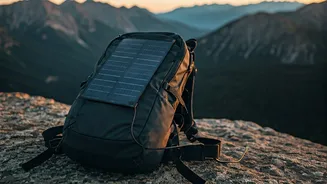
Unlike the rigid, heavy glass-and-aluminium panels you see on rooftops, flexible solar mats are a different breed of technology. They are built using thin-film solar cells laminated onto a durable, pliable backing, often a high-tech polymer like ETFE (Ethylene tetrafluoroethylene). This construction makes them incredibly lightweight and portable. You can roll them up, fold them, or strap them to the outside of a backpack without worrying about them shattering. They are designed specifically for the bumps, scrapes, and unpredictable conditions of outdoor life. These mats capture sunlight and convert it into DC electricity, which can then be used to directly charge devices via built-in USB ports or, more effectively, to charge a power bank that acts as a reservoir of energy.
The Key Advantages for a Wilderness Setup
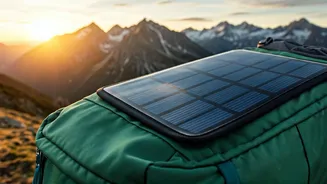
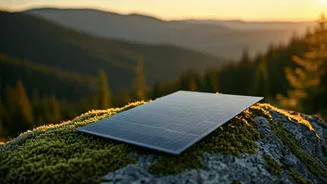
The primary benefit of a flexible solar mat is its incredible power-to-weight ratio. A panel capable of charging a smartphone might weigh less than 500 grams, adding minimal burden to your pack. Secondly, their durability is unmatched by traditional panels. They can be dropped, stepped on, and exposed to rain without failing (though you should always check the specific IP rating for water resistance). Because they are flexible, you can lay them over uneven surfaces like a tent roof or the top of your rucksack, maximising sun exposure as you hike. This versatility means you are generating power on the move, not just when you’re stationary at camp. This passive charging capability is what truly sets them apart, turning your entire day’s trek into a power-generating opportunity.
How to Choose the Right Mat
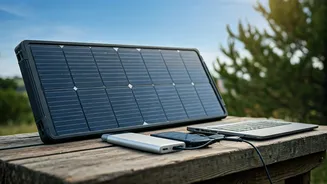
Selecting the right solar mat depends entirely on your power needs. The key metric is wattage (W). A small 10-15W panel is great for trickle-charging a smartphone or a GPS device. For charging larger power banks, multiple devices, or a DSLR camera battery, look for something in the 20-30W range. If you're running a more complex setup with a laptop or a small portable fridge for an overland vehicle, you might need 50W or more. Also, check the output ports. Most modern panels come with USB-A and USB-C ports, with some offering high-speed charging protocols like Power Delivery (PD). Finally, consider the material. Panels coated with ETFE are generally more durable, efficient, and resistant to UV degradation than cheaper PET-coated alternatives, making them a better long-term investment for serious outdoor use.
Best Practices for Maximum Efficiency
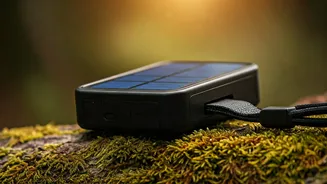
Owning a solar mat is one thing; using it effectively is another. To get the most out of your panel, always pair it with a power bank. Charge the power bank during the day, then charge your devices from the power bank at night. This is more efficient and protects your sensitive electronics from the fluctuating voltage of direct solar charging. Position is everything. For optimal performance, the panel should be angled directly towards the sun. As the sun moves across the sky, try to reposition your panel every hour or two. Even a slight angle change can significantly impact charging speed. Keep the surface clean from dust, dirt, and water, as any obstruction will reduce efficiency. And remember to be realistic: on a heavily overcast day, a small panel will produce very little power. Think of it as a crucial supplement, not an infinite power grid.