




Ditch the 'All-or-Nothing' Mindset
The most significant rule for festive eating is to abandon the idea that you are either “on” a diet or “off” it. This black-and-white thinking often leads to a cycle of deprivation followed by overindulgence. Instead of viewing foods as 'good' or 'bad,'
focus on overall balance. Enjoying traditional delicacies for a few days will not derail your health if your habits are consistent the rest of the year. The goal is to participate in celebrations mindfully, not to fear the food that is central to our culture and joy.
Embrace Portion Awareness
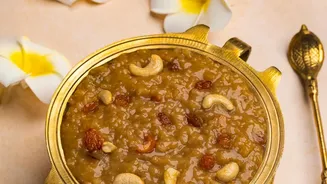
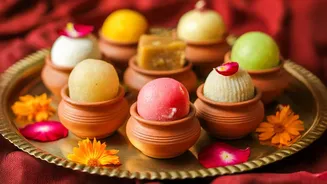
You don’t need to avoid your favourite treats; you just need to be mindful of how much you consume. Using smaller plates can naturally guide you toward smaller portions, and studies suggest this simple trick can reduce consumption. When it comes to sweets, try the 'one-sweet rule': pick the one mithai you truly love and savour it completely, rather than sampling everything. Eating slowly allows your body time to send fullness signals, helping you feel satisfied with less. A short pause before considering a second helping is often enough to realize you don't need it.
Balance Your Plate and Your Day
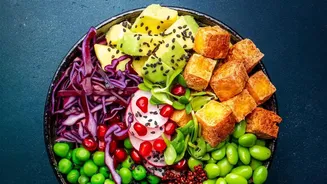
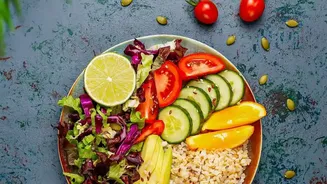
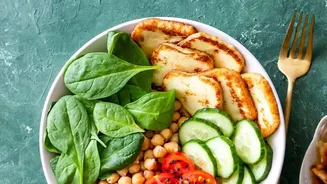
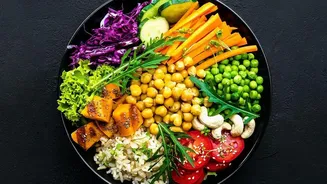
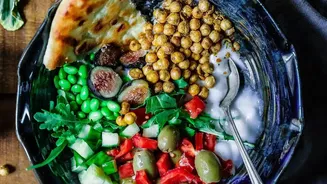
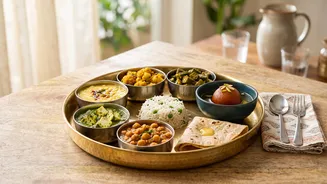
A smart strategy for navigating a festive meal is to structure your plate consciously. Fill half of it with vegetables or a fresh salad, a quarter with a source of lean protein like dal, paneer, or chicken, and the final quarter with carbohydrates like rice or roti. Protein and fibre help increase satiety, making you less likely to overeat heavier dishes. If you know you have a large dinner planned, opt for lighter meals earlier in the day to create a natural balance. Never skip meals to “save” calories, as this often backfires and leads to overeating later.
Hydrate and Stay Active
Thirst is often mistaken for hunger, so staying well-hydrated is a simple yet powerful tool. Drinking water throughout the day can help manage cravings and prevent mindless snacking. Sipping water before and during festive meals can also create a sense of fullness. While festival schedules can be busy, incorporating some light physical activity is beneficial. A simple walk after a heavy meal aids digestion and helps manage stress and energy levels.
Make Smart Swaps at Home
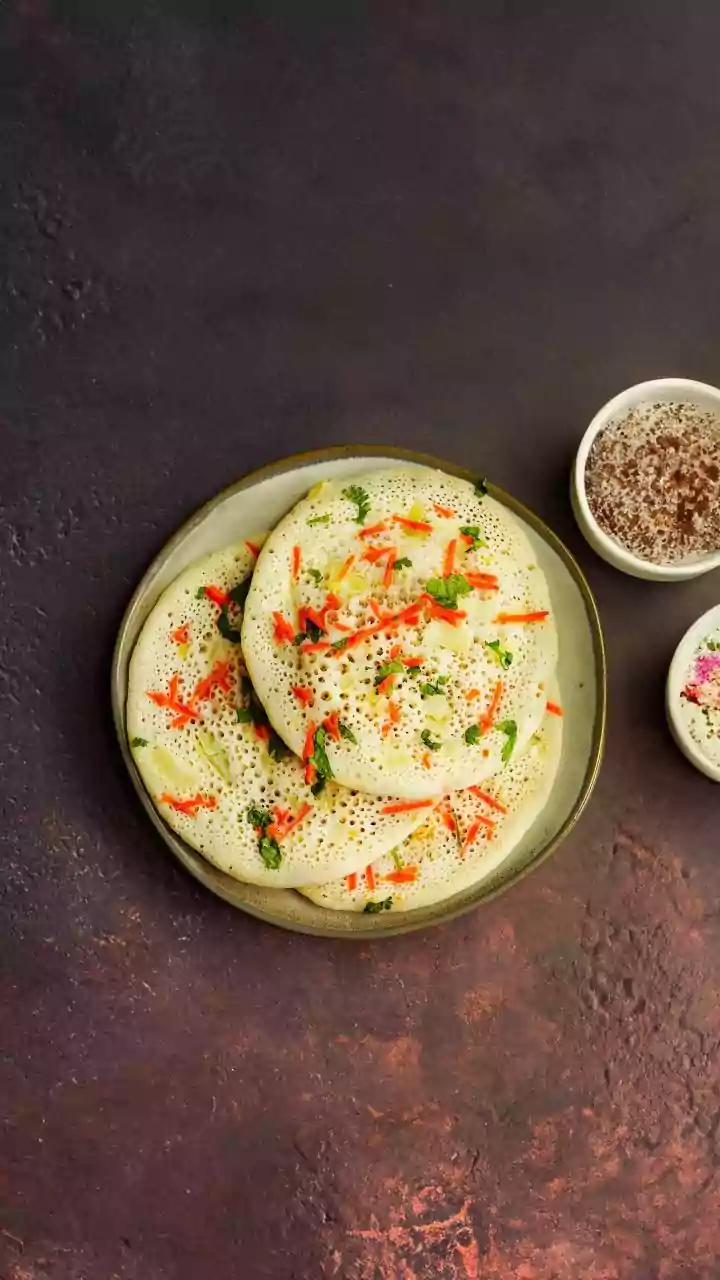
If you are preparing sweets at home, you have complete control over the ingredients. Small swaps can make a big nutritional difference. You can replace refined sugar with natural sweeteners like dates, figs, or a moderate amount of jaggery. Using whole-grain flours like ragi or oats instead of refined maida adds fibre, which helps prevent sharp blood sugar spikes. Incorporating nuts, seeds, and paneer can increase the protein and healthy fat content, making sweets more satiating. Even traditional snacks can be made healthier by baking or air-frying them instead of deep-frying.
Listen to Your Body's Cues
Ultimately, the key to guilt-free indulgence is mindful eating. Pay attention to your body’s signals of hunger and fullness. Eat when you’re hungry and stop when you feel comfortably satisfied, not stuffed. By relishing the aroma, texture, and flavour of each bite, you enhance your enjoyment and naturally regulate your intake. This approach allows you to fully appreciate the shared experiences and cultural significance of food during festivals, making the moments memorable for the joy they bring, not for any guilt they leave behind.